







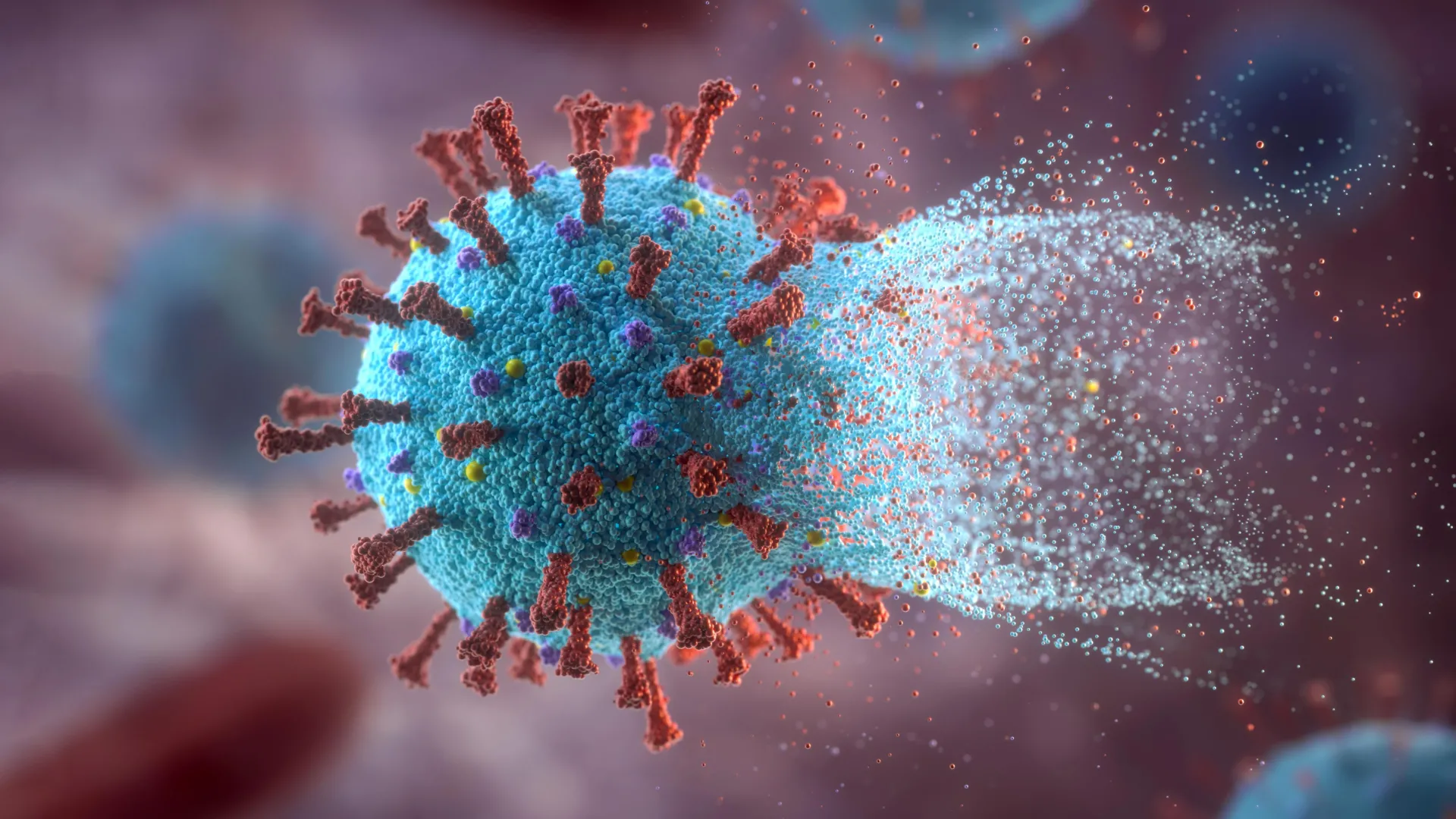
In the ongoing global effort to fortify humanity against future viral threats, researchers have turned their gaze toward the dense, biodiverse canopy of Brazil’s Atlantic Forest. A recent study, published in the journal Scientific Reports, has identified a promising group of natural compounds derived from Copaifera lucens Dwyer—a tree species native to Brazil—that exhibit potent antiviral activity against SARS-CoV-2, the virus responsible for COVID-19.
This discovery is particularly significant because these compounds, known as galloylquinic acids, appear to operate through a "multi-target" mechanism. Unlike many current antivirals that focus on a single viral protein, these molecules interfere with the virus at multiple stages of its life cycle, potentially offering a more robust defense and a lower risk of the virus developing resistance.
The Main Facts: A Breakthrough in Natural Pharmacology
The core of this research revolves around the extraction and analysis of galloylquinic acids from the leaves of Copaifera lucens. Under the leadership of Jairo Kenupp Bastos, a professor at the Ribeirão Preto School of Pharmaceutical Sciences at the University of São Paulo (FCFRP-USP), the team sought to determine if the traditional medicinal properties of the Copaifera genus could be leveraged against contemporary respiratory pathogens.
Laboratory results indicate that these compounds act as a biological "triple threat" to SARS-CoV-2. They demonstrate the ability to:
- Block Viral Entry: By interacting with the receptor-binding domain of the virus’s spike protein, the compounds prevent the virus from docking with and infiltrating human cells.
- Inhibit Replication: The molecules interfere with RNA polymerase, the enzyme essential for the virus to duplicate its genetic material.
- Disrupt Immune Evasion: By targeting the papain-like protease (PLpro), the compounds prevent the virus from dismantling the host’s immune defense mechanisms.
Furthermore, the research suggests that these compounds possess intrinsic anti-inflammatory and immunomodulatory properties. This dual-action approach is critical, as it not only combats the viral load but also potentially mitigates the "cytokine storm" effect—the hyper-inflammatory response often responsible for the severity of COVID-19 cases.
Chronology of the Investigation
The path to this discovery was not linear; it was built upon years of foundational research and international collaboration.
Phase I: Selection and Isolation
The research began with the selection of Copaifera lucens. Because the team at FCFRP-USP had spent decades documenting the chemical profiles of the Copaifera genus, they were uniquely positioned to identify this species as a high-potential candidate. With financial support from the São Paulo Research Foundation (FAPESP), the researchers successfully isolated and characterized the galloylquinic acid-rich extracts from the plant’s leaves.
Phase II: Cytotoxicity and Initial Screening
Before moving to antiviral assays, the team conducted rigorous cytotoxicity testing. In drug discovery, this is a vital safety checkpoint; it ensures that the concentration of the compound required to kill the virus does not simultaneously harm healthy human cells. Once the safety profile was established, the researchers proceeded to plaque reduction assays—the gold standard for measuring how effectively a substance neutralizes infectious viral particles.
Phase III: Mechanistic Analysis
Once antiviral activity was confirmed, the study expanded to include a deep dive into the molecular mechanics. The researchers utilized computational and laboratory models to observe how the compounds interacted with specific viral proteins. This phase was conducted through a strategic partnership between the University of São Paulo and a consortium of Egyptian researchers, including experts from the Delta University of Science and Technology, Tanta University, and Alexandria University.
Supporting Data: Understanding the Multi-Target Mechanism
The effectiveness of galloylquinic acids is rooted in their chemical structure, which has long been of interest to pharmacognosists. Historically, these compounds have shown promise as antifungal and anticancer agents. Previous studies, for instance, demonstrated that similar compounds could inhibit HIV-1 with significantly lower toxicity profiles than existing pharmaceutical alternatives.
In the case of SARS-CoV-2, the "multi-target" nature of these compounds is their most compelling feature. Professor Jairo Kenupp Bastos emphasizes that the evolutionary resilience of viruses often stems from their ability to mutate rapidly in response to single-target drugs. "An important aspect revealed by this information is the multi-target mechanism of the compound, which reduces the likelihood of resistance developing," Bastos explains. "This is because many current antivirals act on only one viral protein, which promotes this effect."
The study’s data shows that the compounds do not just stop the virus at the door; they also impede its internal machinery. By inhibiting PLpro and interfering with viral protein production, the molecules ensure that even if some viral particles manage to enter a cell, their ability to hijack that cell’s resources for replication is severely compromised.
Official Perspectives and Collaborative Insight
The success of this study is largely attributed to the interdisciplinary and international nature of the team. Mohamed Abdelsalam, an assistant professor of pharmacognosy at the Delta University of Science and Technology and a key contributor to the study, highlighted the importance of the integrated methodology.
"This integrated approach allowed us to understand how the compounds work and how they act at the molecular level," said Abdelsalam. He collaborated closely with Professor Lamiaa A. Al-Madboly, Head of the Department of Microbiology at Tanta University, and Associate Professor Rasha M. El-Morsi from the Delta University of Science and Technology. The inclusion of researchers from Alexandria University further broadened the scope of the biological testing, ensuring that the results were validated through diverse experimental frameworks.
The collaborative nature of this project serves as a model for modern drug discovery. By pooling resources from both Brazil and Egypt, the team was able to bridge the gap between ethnobotanical knowledge—the study of how people of a particular culture and region make use of native plants—and cutting-edge molecular virology.
Implications: The Future of Biodiversity and Medicine
The identification of galloylquinic acids in Copaifera lucens is more than just a potential medical breakthrough; it is a powerful argument for the conservation of global biodiversity.
The Strategic Value of Nature
The study underscores the fact that the world’s forests serve as vast, untapped libraries of chemical compounds. Many of the most effective medicines in human history, from aspirin to quinine, have their origins in plant life. The Atlantic Forest, a hotspot of biodiversity that has suffered significant fragmentation due to human activity, remains a critical frontier for pharmacological research.
From Lab to Clinic
While the results published in Scientific Reports are highly encouraging, the researchers remain cautious. The transition from laboratory success to clinical application is complex and costly. The next phases of development will involve:
- In Vivo Studies: Testing the compounds in living animal models to observe how they are metabolized and how they interact with systemic biological processes.
- Safety and Efficacy Trials: Should animal trials prove successful, the compounds must undergo rigorous human clinical trials to establish dosage, safety, and therapeutic efficacy.
- Formulation Science: Developing a stable delivery mechanism that allows the active compounds to reach the necessary sites of infection within the human body without losing potency.
A Renewed Focus on Resilience
As the global health community looks toward the "next pandemic," the shift toward multi-target antivirals—compounds that hit several points of the viral life cycle simultaneously—represents a paradigm shift. If these natural compounds can be successfully synthesized or refined, they could serve as a foundational element in a new generation of antiviral medications that are not only effective but also highly resistant to viral mutation.
In conclusion, the research on Copaifera lucens highlights a hopeful intersection between traditional botanical wisdom and modern molecular biology. While there is significant work ahead, the potential for these Brazilian tree compounds to provide a robust defense against SARS-CoV-2 serves as a reminder that the solutions to our most pressing health challenges may be waiting for us in the natural world, provided we have the foresight to study and protect it.