











The global fight against tuberculosis (TB)—a disease that remains one of the world’s deadliest infectious killers—is undergoing a critical transformation. At the heart of this shift is a fundamental realization: for clinical research to be truly transformative, it must be designed not just for patients, but with them.
The recent UNITE4TB Annual Meeting served as a landmark event in this evolution, bringing together a diverse coalition of researchers, clinicians, and—most importantly—members of the Community Advisory Group (CAG). By integrating the lived experiences of those directly affected by TB into the scientific process, the consortium is striving to ensure that the next generation of treatments is not only scientifically rigorous but also human-centric.
Main Facts: A Collaborative Blueprint for Change
The UNITE4TB initiative is a large-scale project dedicated to accelerating the development of shorter, safer, and more effective TB treatments. During the recent annual meeting, the focus shifted from laboratory milestones to the practical realities of trial implementation.
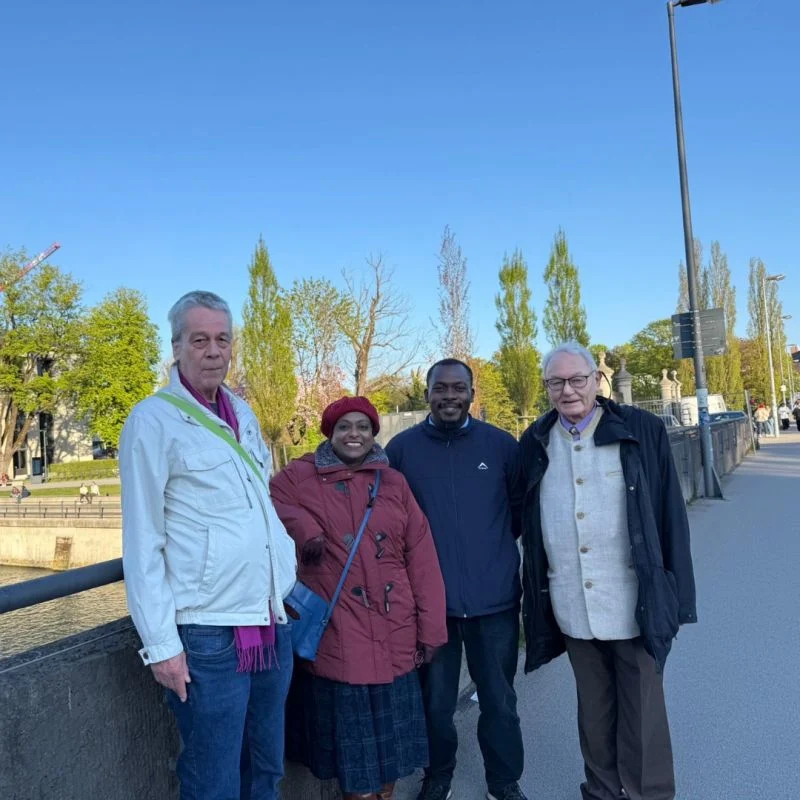
The CAG, represented by delegates Patrick Agbassi, Stephan Dressler, Blessina Kumar, and Paul Sommerfeld, played a pivotal role in these deliberations. The core message was clear: clinical trials cannot exist in a vacuum. To succeed, they must account for the social, logistical, and psychological burdens faced by TB patients.
The meeting established that successful research requires a paradigm shift from "participant as a subject" to "participant as a partner." This involves addressing the practicalities of long-term treatment, such as appointment scheduling, clear communication regarding trial protocols, and the integration of support systems that reduce the attrition rates often seen in complex TB studies.
Chronology of Engagement: From Design to Implementation
The involvement of the CAG throughout the UNITE4TB Annual Meeting followed a structured trajectory, moving from broad policy discussions to granular operational strategy.
Early Engagement and Design
The meeting kicked off by reviewing the early stages of study design. The CAG emphasized that "community readiness" must be established before a trial protocol is finalized. By inserting community perspectives during the planning phase, researchers can anticipate potential hurdles—such as cultural barriers or transportation difficulties—that might otherwise derail a trial months or years down the line.
Mid-Session: The Clinical Reality
A dedicated session chaired by Paul Sommerfeld provided a platform for trial site investigators to present their experiences on the ground. This was a rare, transparent exchange where researchers admitted the challenges of maintaining participant engagement. Panellist Patrick Agbassi underscored that when investigators treat participants with empathy and transparency, the trial environment shifts from an clinical requirement to a supportive community space.
Looking Toward the Future: The Inclusion of Youth
A critical pivot in the conference timeline was the Joint Advisory Board session. This session directly addressed a glaring omission in current research: the lack of adolescent and pediatric representation. By engaging in rigorous debate regarding the ethical and logistical complexities of involving younger demographics, the consortium set a new, inclusive agenda for upcoming research phases.
Supporting Data: Why the Current Model Needs Reform
The necessity for this community-led approach is backed by the sobering reality of TB treatment. Current standard-of-care regimens are notoriously grueling. Patients are often required to adhere to multi-drug protocols for several months, if not years. This long-duration treatment cycle is the primary driver of non-compliance and, by extension, the development of drug-resistant strains of the bacteria.
Data presented at the meeting highlighted several "friction points" in current clinical trials:
- The Burden of Attendance: Frequent clinic visits place significant financial and time-related strain on patients, many of whom may be working or caring for families.
- Communication Gaps: Complex medical jargon often alienates participants, leading to a lack of trust in the trial process.
- The "One Size Fits All" Problem: Standard protocols often fail to account for the diverse socio-economic backgrounds of patients, leading to higher drop-out rates among the most vulnerable populations.
By embedding engagement budgets directly into trial funding, UNITE4TB is attempting to mitigate these issues. The consensus is that every dollar spent on community outreach is an investment in data integrity; when a patient feels supported and understood, they are significantly more likely to complete the course of treatment, providing the high-quality data necessary for regulatory approval.
Official Responses and Reflections
The meeting was marked by a palpable sense of progress, with both researchers and community representatives acknowledging that the relationship between the two sides has matured.
Blessina Kumar, a prominent voice within the CAG, offered a poignant summary of the proceedings:
"The UNITE4TB Annual Meeting was successful; we were heard, our views and perspectives respected. The CAG made a strong case for the inclusion of children and adolescents in the trials. The Annual Meeting also provided an opportunity for learning and sharing; we appreciate the opportunity to hear from the trial site Principal Investigators. We look forward to interacting with the local Community Advisory Boards across the trial sites in the next few months."
This sentiment was echoed by trial investigators, who noted that the presence of the CAG served as a constant "moral and practical compass." Rather than viewing community input as a regulatory hurdle, researchers increasingly view it as a diagnostic tool for improving trial delivery.
Implications: A New Era for TB Research
The implications of this collaborative approach are profound. If UNITE4TB succeeds in refining its trial delivery models, it could provide a template for all future infectious disease research.
1. The Power of Peer Education
One of the most significant takeaways was the role of current and former participants as "peer educators." By creating a network of individuals who can demystify the trial experience for new recruits, the consortium is building a self-sustaining system of trust. This grassroots approach is often more effective than traditional recruitment brochures or clinical outreach.
2. Prioritizing Pediatric Inclusion
The commitment to including young people represents a shift in the ethical landscape of TB research. As noted by the CAG, ignoring the needs of the younger population is not just a missed scientific opportunity—it is a public health oversight. By developing strategies to manage consent and balance trial participation with education, the consortium is preparing to address the disease at its source, as TB disproportionately impacts young, active populations.
3. Sustainability and Scaling
The final takeaway of the meeting was the call for long-term sustainability. Community engagement cannot be a one-time event or a "check-the-box" activity. The CAG and the leadership of UNITE4TB are in agreement: community boards must be integrated into the trial sites throughout the entire lifecycle of the project. This includes everything from the initial recruitment phase to the final dissemination of results back to the communities that made the research possible.
Conclusion
The UNITE4TB Annual Meeting served as a powerful reminder that clinical progress is inseparable from social responsibility. As the consortium moves forward, the synergy between the scientific expertise of the researchers and the lived wisdom of the CAG will be the defining factor in their success.
By prioritizing the human element—acknowledging the daily struggles of patients, fighting for the inclusion of youth, and fostering trust through transparent communication—UNITE4TB is doing more than testing new drugs. They are building a more equitable, efficient, and compassionate model for medical research. As we look to the future, the work of the CAG remains an essential component in the global mission to end tuberculosis once and for all.
For further information and to stay updated on the progress of these trials, please visit the UNITE4TB website. To delve deeper into the latest developments, we encourage you to read the UNITE4TB newsletter.