











In the high-stakes theater of modern football, where physical intensity and pressing systems often dominate the narrative, the role of the "Deep-Lying Playmaker"—or Regista—remains the most sophisticated, cerebral, and influential position on the pitch. Often operating in the shadows just ahead of the defensive line, these players act as the metronome of the team, dictating the tempo, structure, and direction of play. Far from being mere passers, they are the architects of chaos and control, transforming the defensive phase into a lethal offensive transition with a single, calculated movement.
Understanding the Deep-Lying Playmaker (The Regista)
Defining the Role
In contemporary tactical systems, the deep-lying playmaker is a specialist. Unlike a traditional "box-to-box" midfielder who relies on stamina and physicality, or an attacking midfielder who operates in the final third, the Regista is the team’s brain. They are the players who prefer to receive the ball from the defenders, drop deep into pockets of space, and orchestrate the flow of the game while facing the opposition’s entire formation.
This role requires a unique blend of vision, spatial awareness, and technical composure. The Regista is tasked with managing the team’s heartbeat—speeding up the play to catch opponents off guard or slowing it down to consolidate possession and frustrate the opposition’s defensive structure.

Origins and Evolution of the Term
The term Regista originates from the Italian language, literally translating to "film director." In the context of Calcio, it refers to the player who directs the entire performance of the team from the rear. Over the last two decades, this concept has been globalized, evolving into the English term "Deep-Lying Playmaker." While the nomenclature has shifted, the fundamental requirement remains: a player who can pull the strings from the back, acting as a bridge between the defensive and attacking thirds.
Chronology: The Evolution of the Playmaking Role
The position has undergone a fascinating evolution. In the early 20th century, playmaking was largely the domain of the #10, the creative spark operating behind the strikers. However, as tactical systems became more compact and defensive structures improved, the #10 found it increasingly difficult to find space in the congested final third.
- The Era of the Traditional #10 (1950s-1980s): Creative freedom was centered near the opposition’s box. Players like Pele or Platini thrived here.
- The Shift to the Midfield (1990s-2000s): With the rise of high-pressing defenses, creative players were forced deeper to avoid being swallowed by markers. Figures like Pep Guardiola (under Johan Cruyff) began to redefine the holding midfielder role.
- The Modern Tactical Era (2010s-Present): The role reached its zenith with players like Andrea Pirlo, Xabi Alonso, and Sergio Busquets. Coaches now build their entire offensive structures around the ability of these players to bypass the opposition’s first line of pressure.
Supporting Data: The Mechanics of Control
The effectiveness of a deep-lying playmaker can be quantified through advanced metrics that highlight their disproportionate impact on a match.
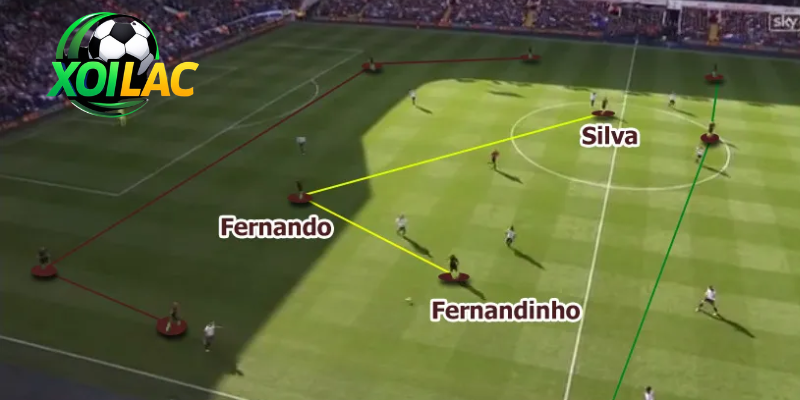
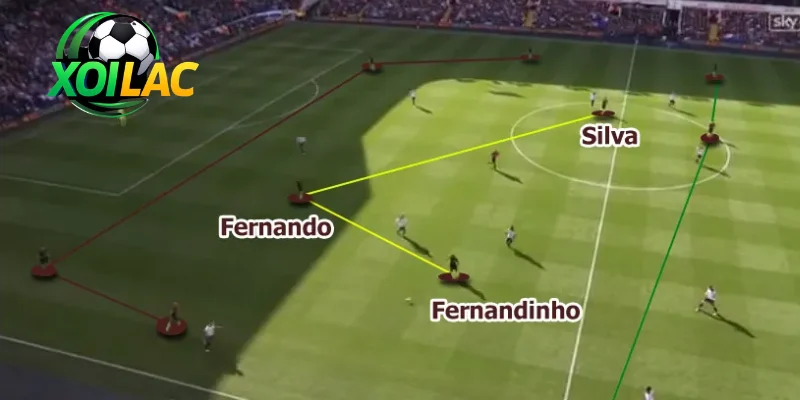
Ball Distribution and Possession
On average, a elite deep-lying playmaker will record between 80 to 120 touches per match. Their influence is not measured in highlight-reel goals, but in their pass completion rates, which frequently exceed 90%.
- Tempo Control: By oscillating between safe, short passes and high-risk, long-range diagonal balls, the Regista forces the opposition to shift constantly.
- Long-Range Passing: A world-class deep-lying playmaker is expected to execute 8-12 long passes per match with high accuracy. These balls are designed to "break" the opposition’s press and instantly transition the team into an attacking state.
Defensive Shielding and Spatial Awareness
While they are not traditional "ball winners," their defensive value lies in their positioning. By occupying the space just in front of the center-backs, they cut off passing lanes and provide an outlet for teammates in distress. Statistics show that teams with an effective Regista recover possession significantly higher up the pitch because the team structure remains compact, preventing the opponent from finding gaps.
Tactical Implications and Team Dynamics
Linking the Defense and Attack
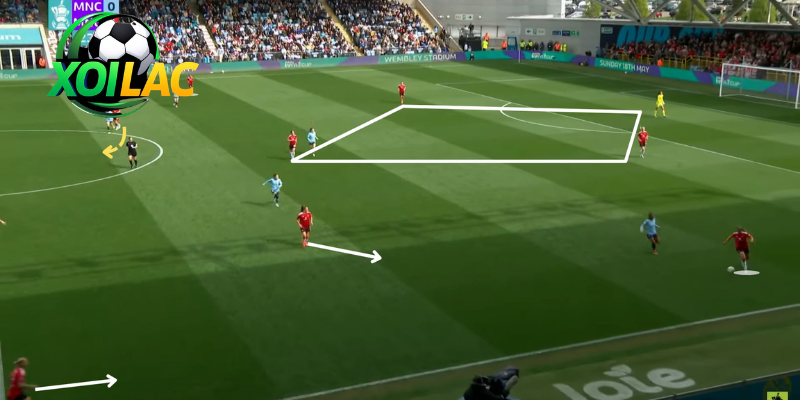
The Regista acts as the pivot point. When a team is playing out from the back, the playmaker often drops between the two center-backs, creating a back three that allows the full-backs to push forward. This transition creates an numerical advantage in the midfield, forcing the opposition to decide whether to push their strikers up—leaving the defense vulnerable—or to retreat, granting the Regista time and space to pick a pass.
The "Press-Resistance" Factor
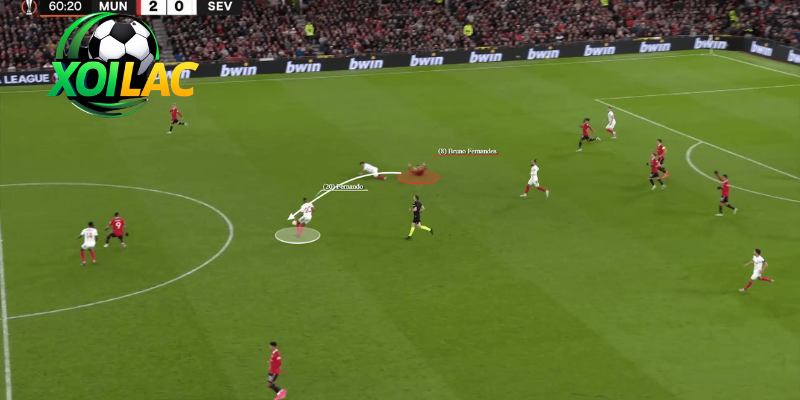
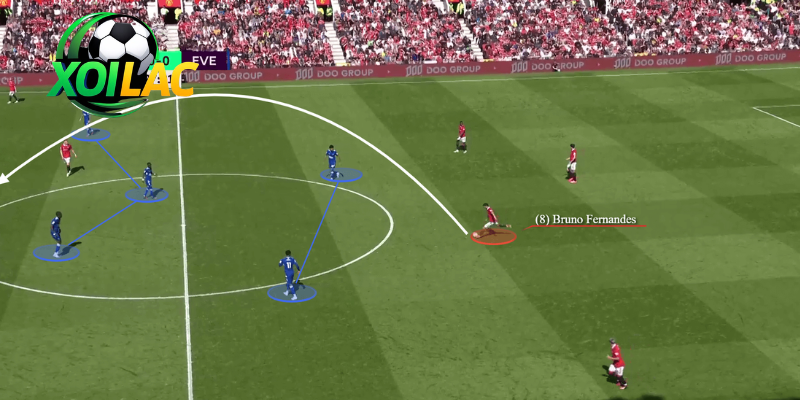
One of the most critical traits of a modern deep-lying playmaker is "press-resistance." Because they spend much of their time in their own half, losing the ball can be catastrophic. Therefore, they must possess an elite "first touch" and the ability to scan the pitch before receiving the ball. By the time the ball arrives at their feet, they already know the location of every teammate and opponent, allowing them to turn away from pressure and initiate an attack instantly.
The Limitations and Vulnerabilities
Despite their brilliance, the position comes with inherent risks.
Physicality and Defensive Gaps
Because they are often focused on distribution, Registas are rarely the strongest in aerial duels or aggressive tackles. If a team relies solely on a Regista for midfield stability, they may be susceptible to counter-attacks through the center. To mitigate this, managers often pair the playmaker with a "destroyer" or a high-work-rate midfielder whose primary job is to cover the ground that the Regista cannot.
Tactical Dependence
The role is highly dependent on the team’s overall system. If the teammates do not move into the correct channels, the Regista becomes isolated. A playmaker is only as good as the options they have in front of them. If the strikers and wingers are static, the playmaker’s vision is wasted, and the team’s passing becomes predictable and slow.
Expert Perspectives and Future Outlook
Tactical analysts across the globe suggest that the role is becoming even more vital as teams adopt more complex pressing traps. The ability to "manipulate" the press—drawing the opponent toward one side of the pitch before switching the ball to the other—is now the gold standard for top-tier midfield play.
Looking forward, the profile of the deep-lying playmaker is changing. We are seeing the rise of "defensive-playmakers"—players who possess both the tackling intensity of a defensive midfielder and the passing range of a number 10. As technology and data analytics continue to influence scouting, clubs are prioritizing players who can operate with high intelligence under extreme duress.
Conclusion
The deep-lying playmaker is the heartbeat of the modern football team. While forwards often grab the headlines, the match is usually won or lost in the space the Regista inhabits. Through their mastery of time, space, and ball distribution, they dictate the flow of the game, turning defensive stability into attacking dominance.
For fans of the game, understanding this role offers a deeper appreciation of the tactical chess match unfolding on the pitch. Whether it is a perfectly weighted 50-yard diagonal ball or a subtle body feint that opens a passing lane, the Regista remains the most essential, yet often understated, component of championship-winning squads. As football continues to evolve, the demand for these "architects of the deep" will only increase, ensuring that the legacy of the Regista remains at the very center of the beautiful game.