










For millions of adults worldwide, the simple act of rising from a chair or taking a stroll through the park has become a source of chronic pain. Knee osteoarthritis (OA), a degenerative condition characterized by the gradual erosion of joint cartilage, affects nearly 30% of adults over the age of 45. As the global population ages, the prevalence of this debilitating condition is surging, leaving patients and clinicians searching for evidence-based interventions that move beyond mere pain management.
A landmark study recently published in The BMJ has provided a definitive roadmap for treatment. By analyzing 217 clinical trials involving over 15,000 participants, researchers have concluded that aerobic exercise—specifically activities like walking, cycling, and swimming—serves as the most effective "first-line" intervention for mitigating the symptoms of knee osteoarthritis. This expansive analysis not only clarifies the confusing landscape of physical therapy recommendations but also reinforces the vital role of structured movement in reclaiming quality of life.
The Anatomy of the Crisis: Understanding Knee Osteoarthritis
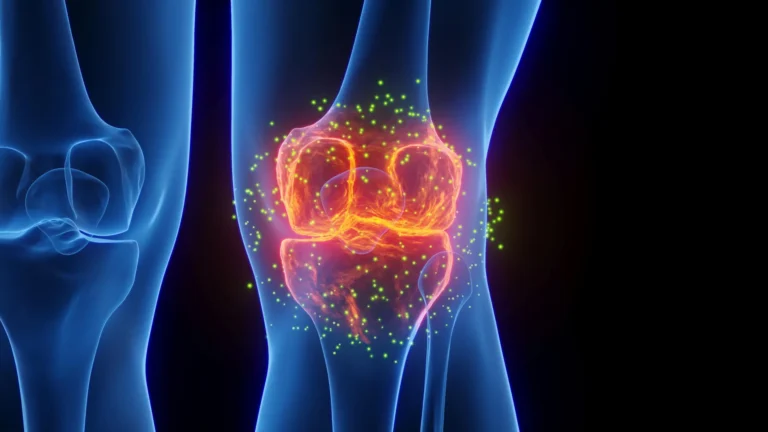
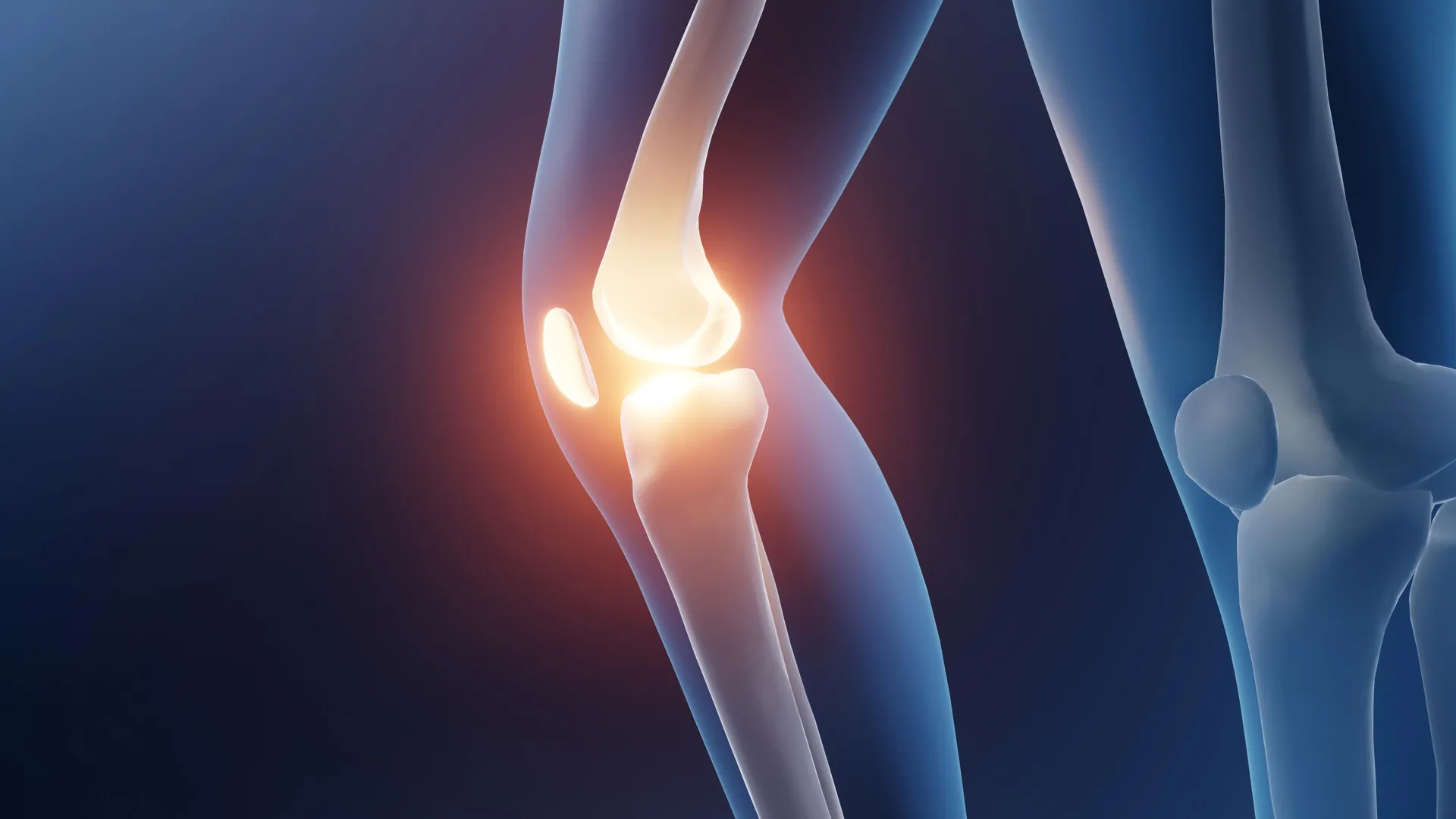
To understand the weight of these findings, one must first understand the pathology of the disease. Knee osteoarthritis is not merely "wear and tear"; it is a complex, whole-joint disorder. It begins when the articular cartilage—the smooth, rubbery tissue that cushions the ends of bones—begins to degrade. As this protective layer thins, the underlying bone may thicken, and the joint space narrows, leading to the hallmark symptoms of chronic pain, stiffness, and localized swelling.
The impact is profound. Approximately half of the adults showing radiographic evidence of knee OA experience severe symptoms that impede daily living. Historically, the medical community has encouraged exercise as a general recommendation, but patients and doctors have long been hampered by a lack of granular guidance. Which exercise is best? Is resistance training superior to low-impact aerobic movement? Should patients focus on flexibility or gait? Until now, the advice has often been fragmented, leaving patients to navigate a sea of conflicting anecdotal evidence.
A Comprehensive Review: The Methodology of 217 Trials
To address these clinical uncertainties, researchers embarked on one of the most comprehensive meta-analyses in the field of orthopedics and physical medicine to date. The review synthesized data from 217 randomized controlled trials conducted between 1990 and 2024. With a total cohort of 15,684 participants, the study represents a massive cross-section of the global patient population.
The researchers categorized these interventions into distinct modalities:
- Aerobic exercise: Walking, swimming, and cycling.
- Strengthening: Resistance training and weight-bearing exercises.
- Flexibility training: Stretching and range-of-motion routines.
- Mind-body approaches: Practices such as Tai Chi and Yoga.
- Neuromotor training: Balance and coordination-focused drills.
- Mixed programs: Hybrid routines combining multiple modalities.
To ensure the highest standard of academic rigor, the team employed the GRADE (Grading of Recommendations, Assessment, Development, and Evaluations) system. This allowed them to evaluate the certainty of evidence for each intervention, effectively filtering out lower-quality studies to focus on those with robust, reproducible clinical results.
Chronology of Recovery: Short, Mid, and Long-Term Impacts
The study’s brilliance lies in its temporal analysis. By examining outcomes at four weeks (short-term), 12 weeks (mid-term), and 24 weeks (long-term), the researchers were able to map how different exercises impact the trajectory of the disease.
Short-Term Gains (4 Weeks)
In the immediate aftermath of beginning an exercise regimen, the study found that aerobic exercise consistently outperformed all other interventions in pain reduction. Neuromotor training emerged as a champion for gait performance, while mind-body approaches demonstrated a significant, positive impact on physical function.
Mid-Term Milestones (12 Weeks)
As patients entered the 12-week mark, the benefits of consistent aerobic activity solidified. Participants reported sustained improvements in pain, physical function, and overall quality of life. During this phase, strengthening programs and mixed-modality programs also began to show marked improvements in physical function, suggesting that as a patient’s base improves, adding resistance training can offer synergistic benefits.
Long-Term Sustainability (24 Weeks)
The long-term data reinforced that aerobic exercise remains the most reliable strategy for maintaining physical function. While data for some alternative modalities tapered off or lacked sufficient long-term follow-up, the consistency of aerobic exercise as a pillar of long-term care remained unchallenged.
Supporting Data: Why Aerobic Exercise Wins
The study’s findings provide a clear hierarchy of efficacy. Aerobic exercise was found to be the most effective intervention across the board, showing moderate-certainty evidence for pain reduction and functional improvement.
Why is this? Unlike high-impact activities that can aggravate a compromised joint, aerobic activities like cycling and swimming allow for repetitive movement without excessive loading. This movement promotes synovial fluid circulation, which provides nutrients to the remaining cartilage and keeps the joint lubricated. Furthermore, the cardiovascular demand of these exercises encourages the release of endorphins—the body’s natural painkillers—which help modulate the chronic pain signals associated with OA.
Importantly, the study found that none of the exercise interventions were associated with a higher risk of adverse events compared to control groups. This is a critical finding for clinicians, as it dismantles the persistent myth that exercise "wears out" the joint faster. On the contrary, physical activity is a safe, reliable, and highly effective tool for management.
Implications for Clinical Practice
The implications for the medical community are transformative. The researchers explicitly recommend that clinicians prioritize aerobic exercise as the first-line intervention for managing knee osteoarthritis.
However, the authors are careful to avoid an "all-or-nothing" approach. They note that while aerobic exercise should be the primary focus, other modalities—such as strength training for muscle support or Tai Chi for balance—should be used as adjuncts rather than replacements. This "aerobic-first" model provides a clear, actionable protocol for general practitioners, rheumatologists, and physical therapists.
For patients who find aerobic exercise inaccessible due to severe comorbidities or personal limitations, the study offers a reassuring takeaway: "alternative forms of structured physical activity may still be beneficial." The goal is not to force a one-size-fits-all solution, but to prioritize the most effective tools while maintaining the flexibility to tailor programs to the individual patient’s needs.
Limitations and Future Directions
While the study is the most robust to date, the authors acknowledge certain limitations. Many of the 217 trials relied on indirect comparisons, and some long-term data remains sparse. Additionally, the inherent variety in study design—some conducted in clinical settings and others in home-based environments—means that real-world application can vary.
Future research, the authors suggest, should focus on establishing standardized protocols for "dosing" exercise. Just as a physician prescribes a specific milligram count for medication, the medical community needs to reach a consensus on the optimal frequency, intensity, and duration of aerobic exercise to achieve the best outcomes for OA patients.
Conclusion: A New Standard of Care
The publication of this study in The BMJ represents a turning point in the management of knee osteoarthritis. It shifts the narrative from a passive approach—relying on injections, medication, or waiting for eventual surgery—to an active, patient-centered model of movement.
By identifying aerobic exercise as the most effective tool for pain relief and functional restoration, researchers have empowered patients to take control of their condition. The evidence is clear: the most potent medicine for the aching knee is not found in a pharmacy, but in the rhythm of a pedal, the stride of a walk, and the buoyancy of a swim. For those living with knee osteoarthritis, the path to a higher quality of life is not through stillness, but through the deliberate, consistent application of movement.