









For decades, a diagnosis of metastatic pancreatic cancer has been synonymous with a grim prognosis. Often described as a "silent killer," the disease has long eluded medical intervention, leaving patients and oncologists with few options beyond palliative chemotherapy. However, recent clinical developments suggest that the landscape of this lethal malignancy is undergoing a seismic shift. A novel therapeutic agent, daraxonrasib, has demonstrated the ability to neutralize the primary genetic driver of the disease, effectively doubling survival rates in late-stage patients and offering a glimmer of hope where there was once almost none.
The Brutal Reality of Pancreatic Cancer
Pancreatic cancer remains one of the most formidable challenges in modern oncology. Between 2015 and 2021, the survival rate for those diagnosed with metastatic disease remained harrowing, with approximately 97% of patients succumbing to the illness within five years.
The lethality of the disease is multifaceted. It is characterized by an insidious onset, rarely presenting with noticeable symptoms in its earliest, most treatable stages. By the time a patient presents with clinical red flags—such as jaundice (the yellowing of the skin and eyes) or persistent abdominal pain—the cancer has almost invariably metastasized to other vital organs.
Historically, the medical community’s failure to treat the disease stemmed from its genetic architecture. More than 90% of pancreatic tumors are driven by mutations in the KRAS gene. In a healthy cell, KRAS acts as a molecular switch, regulating cell growth. In pancreatic cancer, this switch becomes permanently stuck in the "on" position, forcing cells to multiply uncontrollably. For decades, scientists labeled the KRAS protein "undruggable." Its surface is exceptionally smooth, lacking the molecular "pockets" or binding sites that standard pharmaceutical agents require to dock and deactivate the protein. Consequently, treatment has been limited to aggressive, non-specific chemotherapy—a "blunt instrument" approach that destroys healthy cells alongside the malignant ones, often resulting in severe systemic toxicity and limited efficacy.
A Chronology of Discovery and Clinical Success
The development of daraxonrasib represents the culmination of years of persistent, high-stakes research. The timeline of this breakthrough reflects a shift from theoretical molecular biology to tangible clinical success:
- Pre-2020: The "undruggable" status of the KRAS protein dominates oncology discourse. Research shifts toward identifying indirect methods of inhibition rather than attempting to bind the smooth surface of the KRAS protein directly.
- Early 2020s: Revolution Medicines identifies a unique mechanism: targeting cyclophilin A. By inhibiting this protein, which assists in the 3D folding of the KRAS protein, researchers discover they can destabilize the cancer’s growth signaling pathway.
- 2024–2025: Clinical trials for daraxonrasib commence, focusing on patients who have already exhausted standard lines of chemotherapy.
- May 31, 2026: Revolution Medicines officially presents the results of a landmark Phase 3 clinical trial involving 500 patients. The data provides definitive evidence that the drug significantly extends life, providing a catalyst for upcoming regulatory submissions.
The Science of Daraxonrasib: How It Works
Unlike traditional therapies that attempt to kill cells through mass destruction, daraxonrasib functions as a precision-guided interceptor. Taken as a daily oral medication, the drug does not aim for the KRAS protein itself. Instead, it binds to cyclophilin A, a cellular chaperone responsible for helping proteins achieve their functional 3D structure.
By attaching to cyclophilin A, daraxonrasib creates a protein complex that effectively "cloaks" or binds to the active KRAS protein, neutralizing its ability to send growth signals to the cancer cell. By cutting off the "multiply" command, the drug stops the tumor in its tracks, essentially starving the cancer of the genetic instructions it needs to survive.

Supporting Data: By the Numbers
The Phase 3 trial results, released in mid-2026, provide the most robust evidence to date that targeting the KRAS mutation is a viable strategy for advanced pancreatic cancer.
- Overall Survival: In a head-to-head comparison with standard chemotherapy, daraxonrasib nearly doubled overall survival, increasing the median from 6.7 months to 13.2 months post-diagnosis.
- Mortality Risk: Perhaps the most compelling statistic is the 60% reduction in the overall risk of death for patients treated with the new drug compared to those on standard chemotherapy.
- Tolerance and Quality of Life: While no cancer drug is without side effects, the profile of daraxonrasib is distinct. The most common adverse reaction was a prominent skin rash, affecting over 86% of the study participants. Other side effects included stomatitis (painful mouth sores), diarrhea, nausea, and vomiting. Despite these, investigators noted that patients on daraxonrasib were significantly less likely to discontinue treatment compared to those on chemotherapy. Patients reported an improved quality of life, noting a reduction in the chronic pain associated with the rapid progression of metastatic tumors.
Official Responses and Regulatory Outlook
The oncology community has greeted the data with cautious optimism. "For a long time, we were fighting a war with broken tools," says one leading gastrointestinal oncologist and researcher specializing in early-phase clinical trials. "Daraxonrasib changes the conversation. It proves that even the most stubborn genetic drivers are susceptible to the right molecular key."
With the Phase 3 data now published in peer-reviewed journals, the next hurdle is the regulatory gauntlet. Revolution Medicines is currently preparing formal submissions for the U.S. Food and Drug Administration (FDA) and other international regulatory bodies. Given the high mortality rate of pancreatic cancer and the "breakthrough" nature of the survival data, industry analysts expect the drug to be granted "priority review" or "fast-track" status. If the regulatory timeline proceeds as anticipated, clinicians may have access to this medication within the coming months, offering a vital new option for patients currently facing limited choices.
Implications for the Future of Oncology
The success of daraxonrasib is more than just a win for pancreatic cancer patients; it is a validation of the "targeted therapy" paradigm. By successfully tackling a protein once thought impossible to inhibit, researchers have effectively rewritten the rulebook for drug development.
A Personalized Future
The future of pancreatic cancer treatment will likely be defined by "combination therapies." Researchers are already looking ahead to trials that pair daraxonrasib with secondary inhibitors, aiming to prevent the tumor from developing "resistance pathways"—a common survival tactic for cancer cells. By using multiple drugs to block different signaling routes simultaneously, oncologists hope to transform metastatic pancreatic cancer from a terminal diagnosis into a manageable chronic condition.
The Shift Toward Precision Medicine
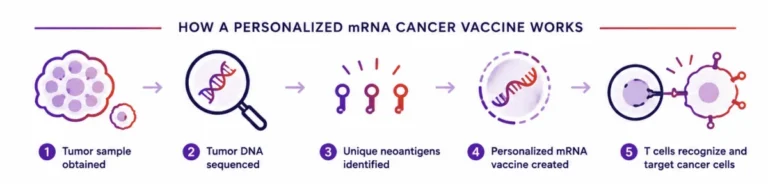
The success of this drug serves as a roadmap for treating other aggressive cancers driven by KRAS mutations, such as certain forms of lung and colorectal cancer. As we move further into the era of genomic medicine, the focus shifts away from "one-size-fits-all" chemotherapy and toward therapies designed to target the specific, individual genetic glitches of a patient’s tumor.
While there is still much work to be done—particularly in early detection and improving the side-effect profile of these drugs—the development of daraxonrasib signals that the era of "undruggable" tumors is coming to a close. For thousands of patients and their families, the next few years may bring not only the promise of longer lives but the hope of a treatment that is as precise as it is effective.