









On May 20, the European Lung Foundation (ELF) demonstrated the vital intersection of lived experience and high-level policy advocacy. As the healthcare landscape in Europe evolves, the voices of patients are no longer just an adjunct to medical research; they are becoming the driving force behind legislative and clinical change.
In a coordinated effort to address the root causes of respiratory distress, Helen Parks, ELF Council member and Chair of the ELF United Patient Advisory Group (UPAG), and Phil Taverner, the incoming ELF Chair, represented the patient perspective at two pivotal forums. While Parks took the stage in Brussels to tackle the rising tide of nicotine use, Taverner joined a network of UK clinicians to confront the invisible crisis of air pollution.
Main Facts: A Dual Front in Public Health
The events of May 20 underscore the ELF’s strategic commitment to tackling the two most significant environmental and behavioral threats to lung health: tobacco/nicotine dependency and poor air quality.
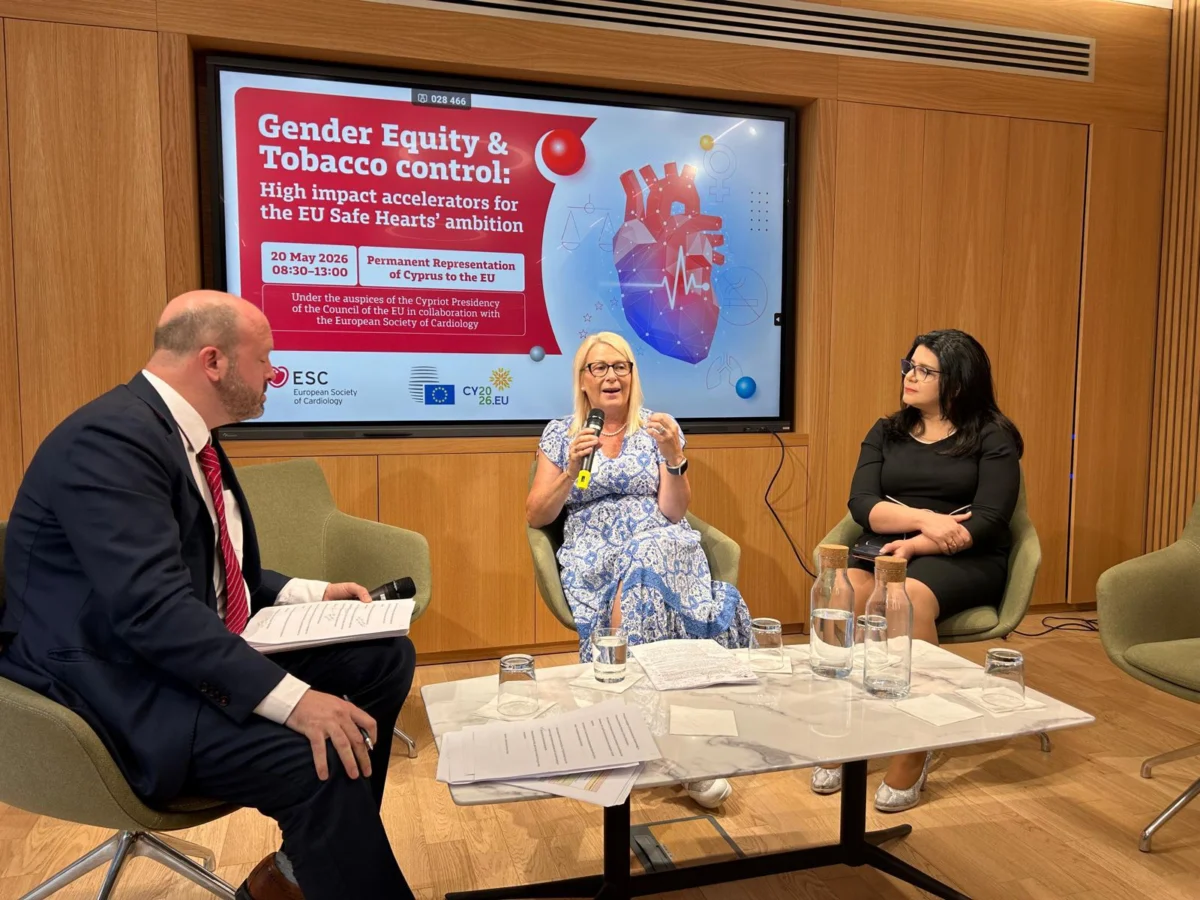
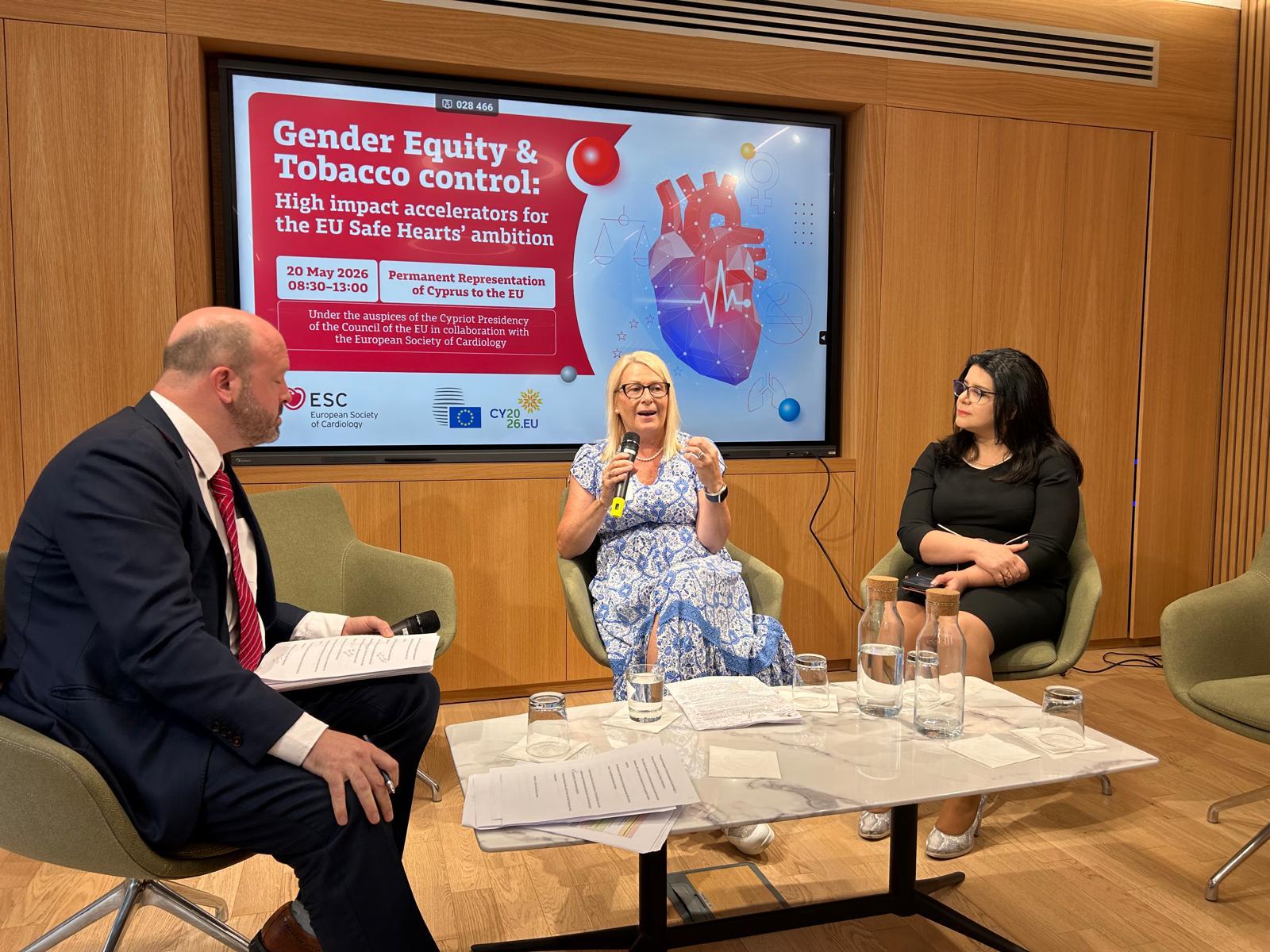
Helen Parks’ participation in the European Society of Cardiology (ESC) event—focused on the "EU Safe Hearts Plan"—highlighted the inextricable link between cardiovascular health and tobacco control. The panel served as a critical platform to discuss gender equity in heart health and the disproportionate impact of smoking-related illnesses.
Simultaneously, in the United Kingdom, Phil Taverner’s engagement with the Clean Air Champions network shifted the focus toward the clinical application of air quality management. The meeting aimed to bridge the gap between abstract environmental data and the daily reality of patients managing chronic respiratory conditions like asthma. Together, these interventions represent a concerted effort to shift the burden of health management from the individual patient to systemic, policy-driven solutions.
A Chronology of Advocacy: May 20th
Morning: Addressing the Nicotine Crisis in Brussels
At the ESC event, the conversation was anchored in the urgent need for a "tobacco-free generation." Helen Parks, leveraging her unique dual perspective as a patient living with asthma and a former educator, provided a sobering account of the current landscape. She noted that while traditional smoking has declined in some demographics, the surge in vaping among young people—specifically teenage girls—has created a new, largely unregulated public health crisis.
Afternoon: Mobilizing the Clinician Network in the UK
As the Brussels event concluded, the focus moved to the UK, where Phil Taverner participated in the Clean Air Champions meeting. This network, composed of healthcare professionals, seeks to empower doctors and nurses to integrate air quality education into routine patient consultations. Taverner’s contribution was essential; he moved the discourse beyond the statistics of particulate matter (PM2.5) and into the lived reality of navigating a city while managing a compromised respiratory system.
Supporting Data and the Current Respiratory Climate
To understand the urgency of the ELF’s recent activities, one must look at the data driving these policy discussions.
The Vaping Epidemic
According to recent surveys within the EU, the uptake of electronic nicotine delivery systems (ENDS) has increased by nearly 30% among adolescents over the last five years. Despite the industry’s claims of harm reduction, the long-term impact of aerosolized nicotine on the developing lungs of teenagers remains a major concern for the medical community. Parks’ testimony as a teacher provided anecdotal evidence that aligns with this statistical trend: students are increasingly viewing vaping as a harmless social habit, ignoring the addictive properties and the chemical exposure inherent in these devices.
Air Quality and Healthcare Costs
Regarding air pollution, the World Health Organization (WHO) consistently reports that there is no "safe" level of air pollution. For patients with chronic obstructive pulmonary disease (COPD) or asthma, the economic and physical costs are staggering. Studies indicate that for every 5μg/m3 increase in long-term exposure to PM2.5, there is a corresponding rise in emergency hospital admissions. Taverner’s call for "clear and accessible information" is supported by data showing that when patients are informed about air quality, they are 40% more likely to adapt their daily routines to avoid peak pollution hours, potentially reducing acute flare-ups.
Official Responses and Expert Consensus
The European Society of Cardiology has been increasingly vocal about the "Safe Hearts Plan," which views tobacco control not merely as a lung-health issue, but as a fundamental pillar of cardiovascular disease prevention. The ESC leadership has signaled that they are moving toward stricter advocacy for the regulation of novel nicotine products, echoing the concerns raised by the ELF.
In the UK, the Clean Air Champions initiative has received praise from the Royal College of Physicians. Experts within the network argue that the traditional medical model—which focuses on medication and reactive treatment—is insufficient. The "social prescribing" of air quality awareness, where clinicians provide patients with tools to monitor and mitigate their exposure, is now being piloted as a cost-effective way to reduce the strain on the National Health Service (NHS).
Implications for Future Policy
The advocacy efforts of Parks and Taverner carry profound implications for the future of European public health:
- The Shift to Prevention: By highlighting the risks of nicotine and pollution, the ELF is pushing for a shift in focus from treatment to prevention. This requires legislative intervention, such as stricter age-gating for nicotine products and the implementation of Low Emission Zones (LEZs) in urban centers.
- Bridging the Patient-Clinician Gap: The success of the Clean Air Champions meeting suggests that the next generation of healthcare will be characterized by a "participatory model." In this model, patients are active partners in their own health management, supported by data-driven advice from their doctors.
- Standardization of Information: A major takeaway from the ELF’s recent work is the need for a standardized "health literacy" campaign across the EU. Patients currently receive fragmented information about the dangers of vaping and the nuances of air pollution. The ELF is positioning itself as the central hub for this information, ensuring that patient experiences are translated into clear, actionable advice.
- Regulatory Accountability: Both the Brussels panel and the UK meeting called for greater accountability. Whether it is the tobacco industry or urban planning authorities, the ELF is demanding that the health impacts on the most vulnerable be prioritized over commercial or convenience-based interests.
Conclusion: The Power of Lived Experience
The events of May 20 were more than just meetings; they were a testament to the power of the "patient voice." As Helen Parks aptly noted, living with a condition like asthma provides a lens that no clinical trial can replicate. It turns the abstract concepts of "passive smoke" and "particulate matter" into tangible, daily struggles that policymakers can no longer ignore.
As the ELF looks toward the future, the goal is clear: to integrate these perspectives into every tier of decision-making. By ensuring that those who live with the consequences of health policy are at the table, the ELF is not just advocating for better outcomes—they are ensuring that the healthcare systems of tomorrow are built upon the reality of human experience.
In the coming months, the ELF will continue to amplify these voices, working alongside partners across the continent to turn the momentum of these discussions into concrete legislative change. For the millions of Europeans living with lung conditions, this advocacy is more than a policy priority; it is a vital step toward a cleaner, healthier, and more equitable future.