







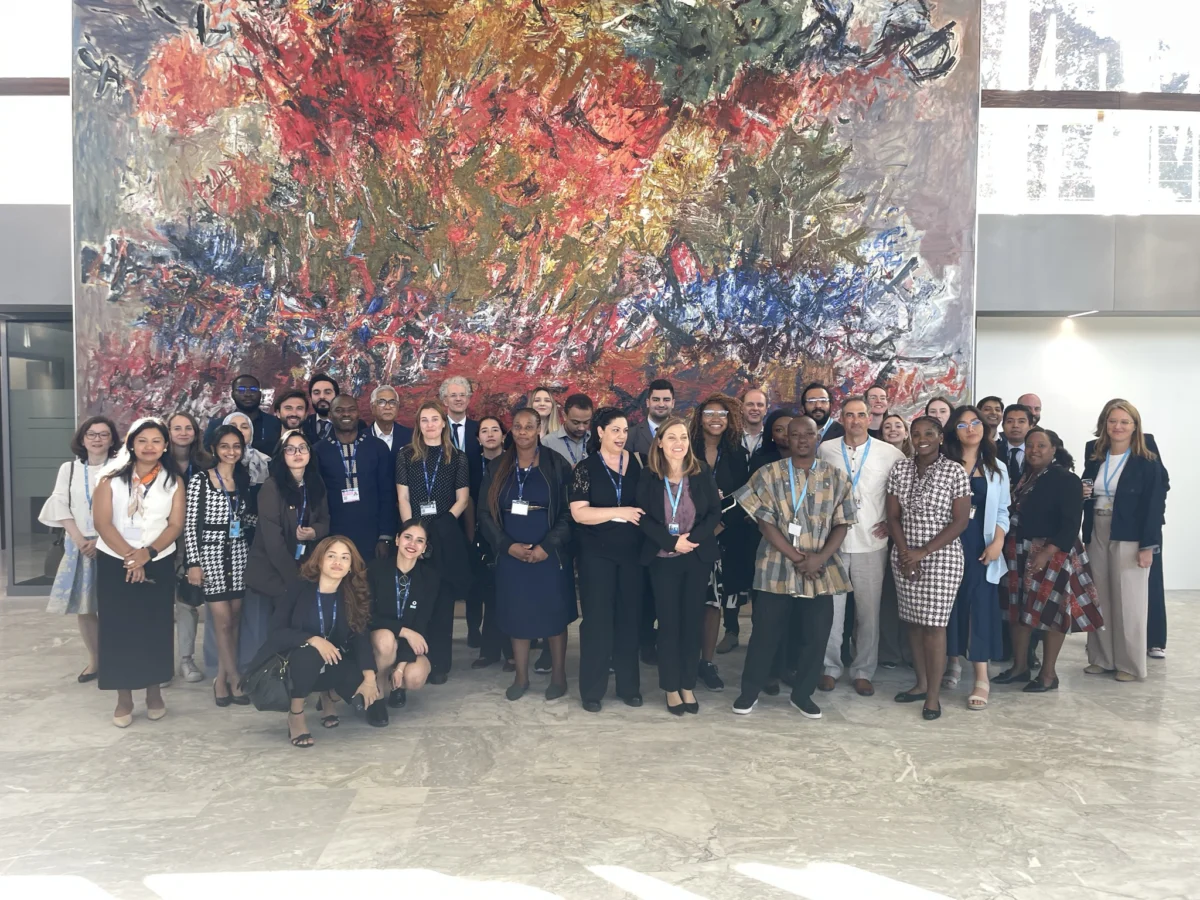
GENEVA, Switzerland — The 79th World Health Assembly (WHA79), held last week in Geneva, served as a pivotal stage for the intersection of global governance and the lived realities of millions of patients worldwide. As governments and health partners converged to define the trajectory of international health systems, the focus on respiratory health emerged as a critical pillar. The discussions held during this assembly are not merely bureaucratic exercises; they are the foundation upon which future national policies—and, by extension, the quality of life for those living with chronic lung conditions—will be built.
Main Facts: A Renewed Mandate for Lung Health
The World Health Assembly remains the supreme decision-making body of the World Health Organization (WHO), and WHA79 saw a concerted effort to elevate respiratory diseases from peripheral concerns to central components of primary healthcare.
The assembly underscored that lung health is intrinsically linked to the broader goals of Universal Health Coverage (UHC). For individuals suffering from Chronic Obstructive Pulmonary Disease (COPD), asthma, and lung cancer, the assembly provided a platform to push for systemic changes. Key takeaways from the event included:
- Policy Integration: A move toward integrating respiratory care into standard primary health services rather than treating it as a siloed specialty.
- The Lung Health Resolution: Continued momentum toward the implementation of the WHO Lung Health Resolution, which mandates member states to bolster their respiratory health infrastructure.
- The Civil Society Voice: A significant emphasis on incorporating "lived experience" into the policy-making cycle, moving beyond clinical data to include patient-reported outcomes.
Chronology of the Assembly: Key Engagements
The assembly’s proceedings were marked by high-level plenary sessions, technical briefings, and specialized side events that bridged the gap between policy design and on-the-ground implementation.
Day 1-2: Defining Global Priorities
The opening days were dominated by discussions on the current state of global health funding. Amidst competing priorities, representatives from across the globe debated how to maintain investment in essential respiratory services. The European Lung Foundation (ELF) and other civil society partners, through the WHO Civil Society Commission, advocated for sustained, long-term funding rather than episodic crisis-response budgets.
Day 3: The Integrated Lung Health Side Event
A highlight for the respiratory community was the side event titled "From Global Commitments to Integrated Lung Health Action." Hosted by Malaysia and supported by an international coalition including the International Union Against Tuberculosis and Lung Disease, the Union for International Cancer Control, and the Forum of International Respiratory Societies, this event brought together representatives from Kenya, the Philippines, and Brazil. The session served as a laboratory for policy, where nations shared successes and failures in expanding access to early diagnostic tools and inhaled medications.
Day 4-5: Air Quality and Environmental Stewardship
The latter half of the assembly shifted focus toward the environmental determinants of health. The discussions on indoor and outdoor air quality reached a fever pitch, with widespread support for a future WHO Resolution on Healthy Indoor Air. These sessions acknowledged that the "lung health crisis" is inextricably linked to the global climate crisis.
Supporting Data: The Scale of the Challenge
To understand the urgency behind WHA79, one must look at the data presented to the delegates. The statistics painted a sobering picture of a global health system struggling to keep pace with the prevalence of respiratory disease.
The Inequity of Diagnosis and Treatment
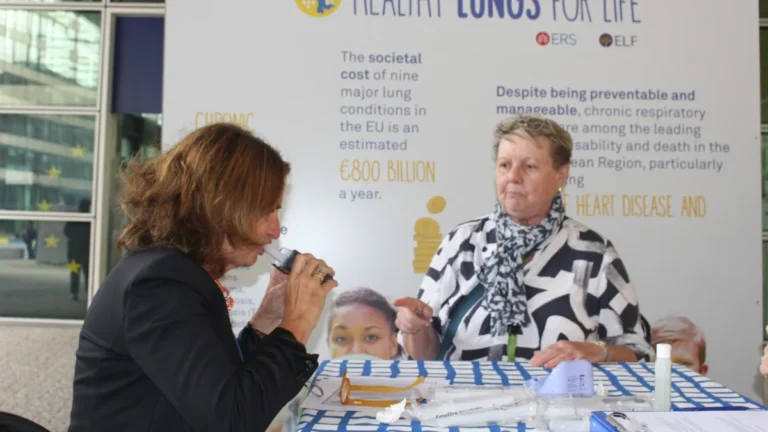
During the side events, it was noted that early diagnosis remains the single most effective lever in improving survival rates for lung cancer and quality of life for COPD patients. However, access to spirometry (a standard breathing test) and timely imaging remains limited in low- and middle-income countries.
Furthermore, the "Inhaler Gap" persists. Essential medicines, such as bronchodilators and inhaled corticosteroids, are often unaffordable or unavailable in rural and under-resourced urban settings. This results in unnecessary hospitalizations and avoidable mortality. The assembly emphasized that these are not merely logistical failures but systemic injustices that must be addressed through centralized procurement strategies and national policy reforms.
The Hidden Threat of Indoor Air Quality
Perhaps the most striking data points emerged from the discussions on air quality. While ambient air pollution receives significant media attention, the assembly drew focus to the fact that humans spend approximately 90% of their time indoors.
- The Burden of Disease: Millions of premature deaths are linked annually to polluted air.
- Universal Exposure: Virtually every citizen on the planet is exposed to some degree of air pollution.
- The Economic Argument: Speakers argued that investment in air filtration and building standards is not an expenditure but a cost-saving measure, as it significantly reduces the pressure on emergency departments and respiratory wards.
Official Responses and Strategic Alliances
The involvement of the WHO Civil Society Commission proved to be a defining feature of WHA79. The participation of individuals like Kjeld, who represented the patient perspective directly to WHO leadership, marked a shift in the assembly’s culture.
The Joint Statement on Sustainable Funding
A pivotal moment occurred when the ELF joined a coalition of civil society organizations to issue a joint statement on sustainable healthcare funding. The core demands were clear:
- Prioritization of Primary Care: Move the focus from high-cost, acute hospital care toward community-based prevention and early diagnosis.
- Patient-Centric Governance: Formalize the role of patient advocacy groups in national policy planning.
- Financial Resilience: Protect health budgets from being slashed during periods of economic volatility.
The response from member states was largely receptive, with many nations acknowledging that without the active participation of those living with chronic conditions, health policies often miss the mark regarding patient adherence and long-term health outcomes.
Implications: A Path Forward for Lung Health
The implications of WHA79 for the coming decade are profound. The assembly has essentially set a new "Gold Standard" for what a national respiratory strategy should look like.
1. The Integration Mandate
Countries are now expected to shift away from vertical programs (where lung health is treated separately) toward integrated models. This means that a patient visiting a community clinic for general wellness should have access to the same diagnostic rigor for lung function as they would for diabetes or blood pressure.
2. A New Standard for Indoor Air
The momentum toward a WHO Resolution on Healthy Indoor Air suggests that building codes, ventilation standards in schools, and workplace safety regulations will increasingly fall under the purview of health ministries. This is a significant expansion of the traditional public health mandate.
3. The Institutionalization of Patient Advocacy
The success of the Civil Society Commission during WHA79 serves as a blueprint. Future assemblies are likely to feature even more robust participation from patient organizations, ensuring that the human element of medicine is never lost in the sea of policy jargon.
Conclusion: Bridging the Gap Between Geneva and the Community
As the delegates departed Geneva, the work shifted from the halls of the WHO to the offices of national health ministries. The discussions at WHA79 were successful in framing lung health as a fundamental human right rather than a niche medical specialty.
However, the true measure of this assembly’s success will be the extent to which these resolutions are translated into national law. For the millions of people living with asthma, COPD, and lung cancer, the promise of WHA79 lies in the hope that future policy will focus on the practicalities of their daily lives: clean air to breathe, accessible inhalers in their pharmacies, and the knowledge that their voices are being heard at the highest levels of global governance.
The European Lung Foundation and its partners remain committed to holding these stakeholders accountable, ensuring that the commitments made in Geneva become the reality for patients in every corner of the world.
For more information on the outcomes of the 79th World Health Assembly and the ongoing work of the WHO, visit the official WHO Governance portal.