









January 20, 2026 — In the rapidly evolving landscape of modern healthcare, the role of the respiratory therapist (RT) has shifted from a behind-the-scenes clinical necessity to the absolute frontline of patient recovery and long-term wellness. This week, we shine a spotlight on two outstanding professionals, Seth Riley, RRT, and Teri Osterhout-Paton, RRT, CPFT, AE-C. Their recent recognition serves as a testament to the dedication required to excel in this demanding field and underscores the critical importance of the American Association for Respiratory Care (AARC) in fostering clinical excellence.
Main Facts: Recognizing Outstanding RTs
The recent accolades bestowed upon Seth Riley and Teri Osterhout-Paton provide a snapshot of the high-level care being delivered across the United States.
Seth Riley, an RRT practicing in West Virginia, was recently honored with the prestigious PHIL Award. Established by the FACES Foundation, this award is specifically designed to recognize respiratory therapists who provide exemplary care, compassion, and professionalism. It is not merely a clinical recognition; it is a human-centric award that highlights the profound impact an RT has on the patient experience.
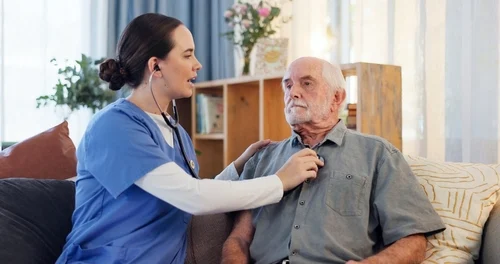
Simultaneously, in New York, Teri Osterhout-Paton, RRT, CPFT, AE-C, has been lauded for her multifaceted approach to respiratory care at Margaretville Memorial Hospital. Her work, which integrates advanced clinical knowledge with patient education, highlights the transition of the respiratory therapist from a practitioner of acute intervention to a navigator of chronic disease management.
Chronology: The Evolution of Recognition
To understand why these awards and features matter, one must look at the timeline of the respiratory profession.
- Mid-20th Century: The profession was born out of a need for technicians to manage mechanical ventilation and medical gases.
- The 2020s: Following the global pandemic, the public and hospital administrations recognized respiratory therapists as "the lungs of the hospital." The demand for highly trained professionals who could manage complex pulmonary conditions skyrocketed.
- January 2026: The current landscape sees a rise in community-level recognition, such as the PHIL Award, signaling a shift where hospitals are actively seeking to retain and celebrate their specialized staff. The recent features of Riley and Osterhout-Paton represent a broader movement to increase the visibility of RTs in local media, fostering community trust and institutional pride.
Supporting Data: The Impact of RT Care
The importance of practitioners like Riley and Osterhout-Paton is backed by significant healthcare data regarding respiratory health.
According to national health reports, chronic obstructive pulmonary disease (COPD) and asthma continue to be leading causes of hospital readmissions. RTs serve as the primary line of defense in managing these conditions.
- Reduced Readmission Rates: Hospitals that utilize RT-led education programs (like those championed by specialists with AE-C certifications) see a 15–20% decrease in 30-day readmissions for pulmonary patients.
- Clinical Outcomes: The presence of an RRT in the ICU is directly correlated with shorter durations of mechanical ventilation, which in turn reduces the risk of ventilator-associated pneumonia (VAP).
- Professional Growth: As of 2026, the AARC reports a 12% increase in member engagement, suggesting that therapists are increasingly seeking professional development, credentialing, and community to combat burnout and advance clinical standards.
Official Responses and Professional Implications
The recognition of these individuals is not merely a local victory; it serves as an industry benchmark.
The Significance of the PHIL Award
The FACES Foundation created the PHIL Award—which stands for "Pulmonary Health and Illness Lesson"—to ensure that the "unsung heroes" of the respiratory department are recognized. "We often see doctors and nurses receiving the bulk of the praise," notes a representative from the AARC. "But in the shadows of the ventilator and the bedside nebulizer, it is the RT who is holding the patient’s hand and monitoring every breath. Seth Riley’s win is a win for the entire profession."
Community Integration
For Teri Osterhout-Paton, the recognition in The Mountain Eagle underscores the importance of the RT as a community educator. By being featured in local media, Osterhout-Paton bridges the gap between the sterile hospital environment and the patient’s home. This "community-based care" approach is becoming the gold standard for long-term health management.

The Next Step: Advancing Your Journey
As we celebrate the achievements of Riley and Osterhout-Paton, it is essential to consider the future of the profession. Respiratory care is not a static field; it is a dynamic, high-stakes discipline that requires constant education and a robust support network.
Why Membership Matters
The AARC remains the premier organization for RTs who wish to elevate their practice. Whether you are a new graduate or a veteran clinician, the path forward requires:
- Continuing Education: Staying abreast of new ventilator modalities and diagnostic technologies.
- Networking: Connecting with thousands of other dedicated RTs who face the same clinical challenges.
- Advocacy: Ensuring that the voice of the respiratory therapist is heard in legislative halls, affecting patient access to care and professional reimbursement standards.
Your journey as a respiratory therapist is defined by the lives you touch and the knowledge you apply. As we have seen with the recent success stories in West Virginia and New York, the opportunities for impact are endless.
Implications for the Future of Respiratory Care
What do these awards mean for the profession at large?
- Retention: Recognition programs are vital for staff retention. In an era where healthcare burnout is a primary concern, the PHIL Award and local features act as buffers, reminding practitioners that their labor is valued.
- Public Awareness: Every time an RT is featured in the local news, it increases public health literacy. Patients become more aware of the resources available to them, leading to earlier interventions and better outcomes.
- Standardization: By highlighting specific practitioners who excel in certifications like the AE-C (Asthma Educator-Certified), the profession encourages others to pursue these credentials, thereby raising the overall standard of care across the country.
Conclusion: A Call to Excellence
The stories of Seth Riley and Teri Osterhout-Paton are invitations to all respiratory therapists to take pride in their work. They exemplify the technical prowess and the empathetic care that define the AARC membership.
As we look toward the remainder of 2026, the mandate for the profession is clear: continue to pursue excellence, advocate for the patient, and never underestimate the power of a single breath—or the therapist who manages it.
Whether you are seeking to advance your career through certifications, looking for mentorship, or simply wanting to connect with a community that understands the unique pressures of the bedside, the AARC is here to support you. Your journey doesn’t end with a diploma; it begins with your commitment to the next patient, the next challenge, and the next breakthrough in pulmonary science.
Are you ready to take the next step in your respiratory journey? Join the AARC today and become part of the movement that is defining the future of respiratory health.
For more information on these stories, visit the original coverage provided by WV News and The Mountain Eagle.