











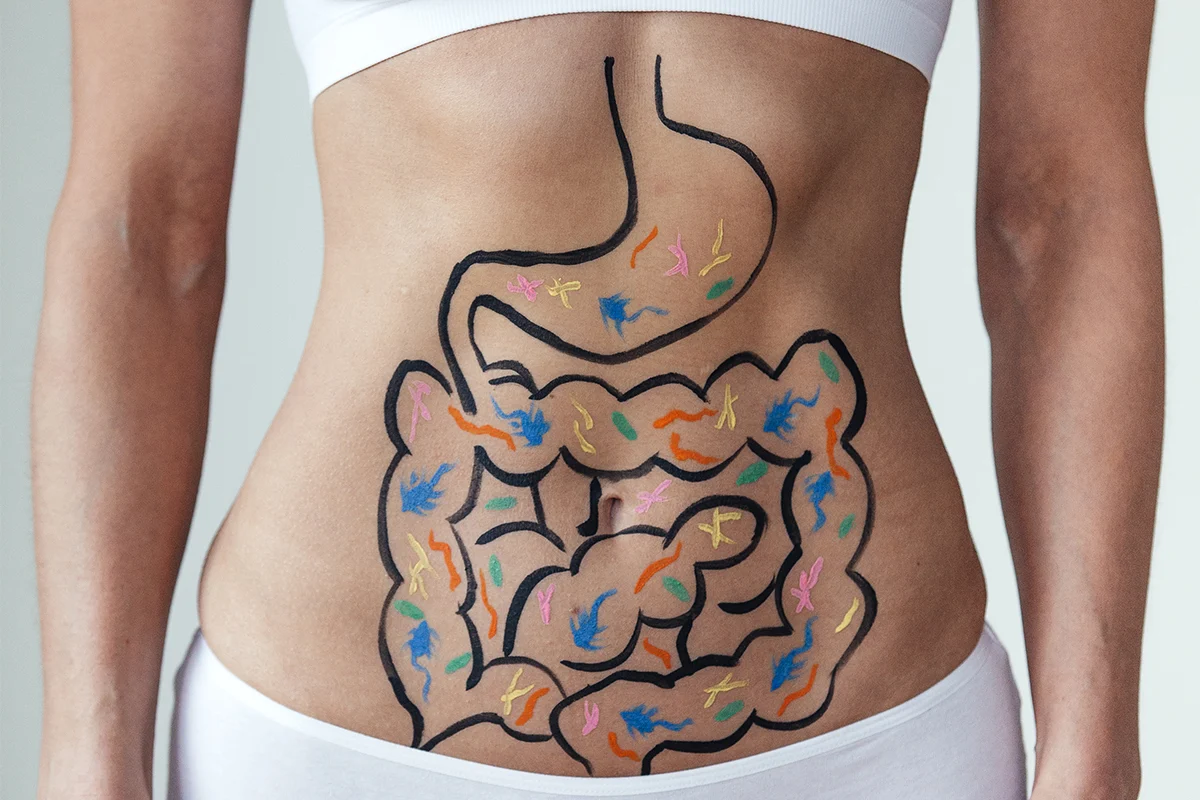
In the modern wellness landscape, few topics have generated as much fervor as the human microbiome. Once relegated to the periphery of gastroenterological study, the complex ecosystem of bacteria, fungi, and viruses residing within our digestive tracts has moved to the center stage of health discourse. From its influence on immune function and metabolic health to its surprising links to cognitive clarity and energy levels, the gut is increasingly viewed as the "second brain."
However, as public interest has surged, so too has a marketplace flooded with quick-fix solutions. Probiotic capsules, specialized digestive enzymes, and "gut-cleansing" protocols are now ubiquitous. Yet, a growing body of clinical consensus suggests that the path to optimal digestive health is not paved with supplements, but rather with the unglamorous, foundational consistency of whole foods, adequate fiber, and strategic hydration.
Main Facts: The Anatomy of Gut Stability
At the heart of the gut health revolution is the microbiome—a collection of trillions of microorganisms. While individual diversity is a hallmark of a "healthy" gut, the architecture of this ecosystem is remarkably sensitive to environmental and dietary inputs.
The primary fact often overlooked in the quest for a "perfect" microbiome is that consistency is the primary driver of bacterial stability. The gut thrives on predictability. When an individual consumes a diverse, high-fiber, whole-food-based diet, they provide the necessary substrates (prebiotics) for beneficial bacteria to flourish. Conversely, frequent, drastic dietary swings—often spurred by the latest wellness trends or erratic "cleanse" cycles—can induce a state of dysbiosis.
The Illusion of Targeted Intervention
While supplementation has a place in clinical medicine—specifically for addressing diagnosed deficiencies or recovery from antibiotic treatment—it is frequently misused as a panacea. The biological reality is that a probiotic pill is a drop in the ocean compared to the vast, established microbial community already residing in the colon. Without a "host" environment fed by whole foods, these transient supplements struggle to gain a foothold.
A Chronological Perspective: From Symptom Management to Foundational Wellness
To understand where we are, we must look at how the medical community’s understanding of the gut has evolved over the past four decades.
- The 1980s – 1990s: The Era of Pathogen Focus. During this period, the primary medical focus was on identifying and eradicating pathogenic bacteria (e.g., H. pylori and ulcers). Gut health was viewed through a defensive lens: how to stop the gut from being "sick."
- The Early 2000s: The Dawn of the Microbiome. With the advent of advanced genomic sequencing, researchers began mapping the human microbiome. The realization dawned that we are not just human cells; we are ecosystems.
- The 2010s: The Supplement Explosion. As the public caught wind of microbiome research, a billion-dollar industry emerged. Marketing shifted from "treating sickness" to "optimizing performance," leading to the rise of premium supplements and proprietary blends.
- The 2020s: The "Back to Basics" Pivot. We are currently in a corrective phase. As the limitations of isolated supplementation have become apparent, nutritionists and gastroenterologists are shifting their messaging back toward lifestyle and diet. The emphasis has returned to the "foundational habit" model, recognizing that supplements cannot compensate for a poor dietary base.
Supporting Data: Fiber, Hydration, and the Microbial Landscape
Scientific literature consistently reinforces the superiority of whole foods over isolated nutrients. A pivotal study published in Nature regarding the "Western Diet" versus high-fiber alternatives highlights that gut microbiome composition shifts within as little as 24 to 48 hours of dietary intervention.
The Fiber Factor
Fiber is the primary fuel for the colonic microbiome. When gut bacteria ferment dietary fiber, they produce short-chain fatty acids (SCFAs), such as butyrate. Butyrate is essential for the health of the colon lining, acting as the primary energy source for colonocytes (the cells lining the gut). No supplement currently on the market can replicate the complex fermentation process triggered by a whole-food diet rich in legumes, cruciferous vegetables, and whole grains.
Hydration and Transit
Hydration is the silent partner of gut health. Water is required not only for the mechanical movement of waste through the digestive tract but also for the synthesis of the mucosal layer that protects the gut wall. Clinical observations indicate that even mild dehydration can alter the composition of the gut microbiota, leading to increased inflammation and slower metabolic rates.
Official Responses: The Clinical Consensus
Medical associations, including the American Gastroenterological Association (AGA), have issued measured responses to the current "gut health" craze. The consensus is largely cautious.
"There is currently insufficient evidence to support the use of probiotics for the prevention or treatment of most digestive conditions in the general population," notes a lead researcher from a major digestive health institute. "While we acknowledge the potential of microbial therapy, the current commercial market is vastly outpacing our clinical data. We are seeing clients spending hundreds of dollars on supplements when they would see significantly better outcomes by increasing their intake of fermented foods and leafy greens."
Dietitians are increasingly advising their clients to view supplements as "the final 5%," not the primary solution. The official stance is shifting toward a tiered approach:
- Tier 1: Dietary patterns (fiber, diverse whole foods, hydration).
- Tier 2: Lifestyle factors (sleep, stress management, consistent meal timing).
- Tier 3: Targeted, clinical-grade supplementation (only if recommended by a practitioner).
Implications: Building Sustainable Gut Health
The shift toward foundational habits has profound implications for how we approach long-term wellness. If we accept that consistency is the primary driver of health, then the "quick fix" mentality is not merely ineffective—it is actively harmful.
The Risk of Disruption
Sudden dietary changes—such as jumping into a restrictive 30-day elimination diet or an aggressive probiotic protocol—can cause transient discomfort, including bloating, gas, and shifts in stool frequency. These symptoms often signal that the microbiome is under stress, struggling to adapt to the sudden change in substrate availability. By the time the gut stabilizes, many people abandon the protocol, only to start a different one, keeping the gut in a state of perpetual instability.
A New Framework for Wellness
To achieve lasting digestive health, the focus must shift from "intervention" to "environment." Creating a healthy environment for the microbiome requires:
- Predictable Timing: Eating at consistent times helps regulate the gut’s circadian rhythm and the secretion of digestive enzymes.
- Dietary Diversity: Instead of focusing on "superfoods," the goal should be to consume 30 different plant-based foods per week to maximize microbial diversity.
- Stress Mitigation: The gut-brain axis is a two-way street. Chronic stress releases cortisol, which can alter gut permeability and bacterial composition. Foundational health is impossible without managing the nervous system.
Conclusion: The Quiet Power of Consistency
The allure of the "magic pill" for gut health is understandable in an era of instant gratification. However, the biological reality is far more patient. The microbiome does not respond to intermittent bursts of effort; it responds to the quiet, steady rhythm of our daily choices.
By prioritizing whole foods over powders, fiber over pills, and consistency over complexity, we align ourselves with the evolutionary biology of our digestive systems. The evidence is clear: the most sophisticated "supplement" available to us is the meal we choose to eat today, and the one we choose to eat tomorrow. In the journey toward long-term wellness, the most radical thing we can do is embrace the foundational habits that have sustained human health for millennia.