




By Respiratory Health Correspondent
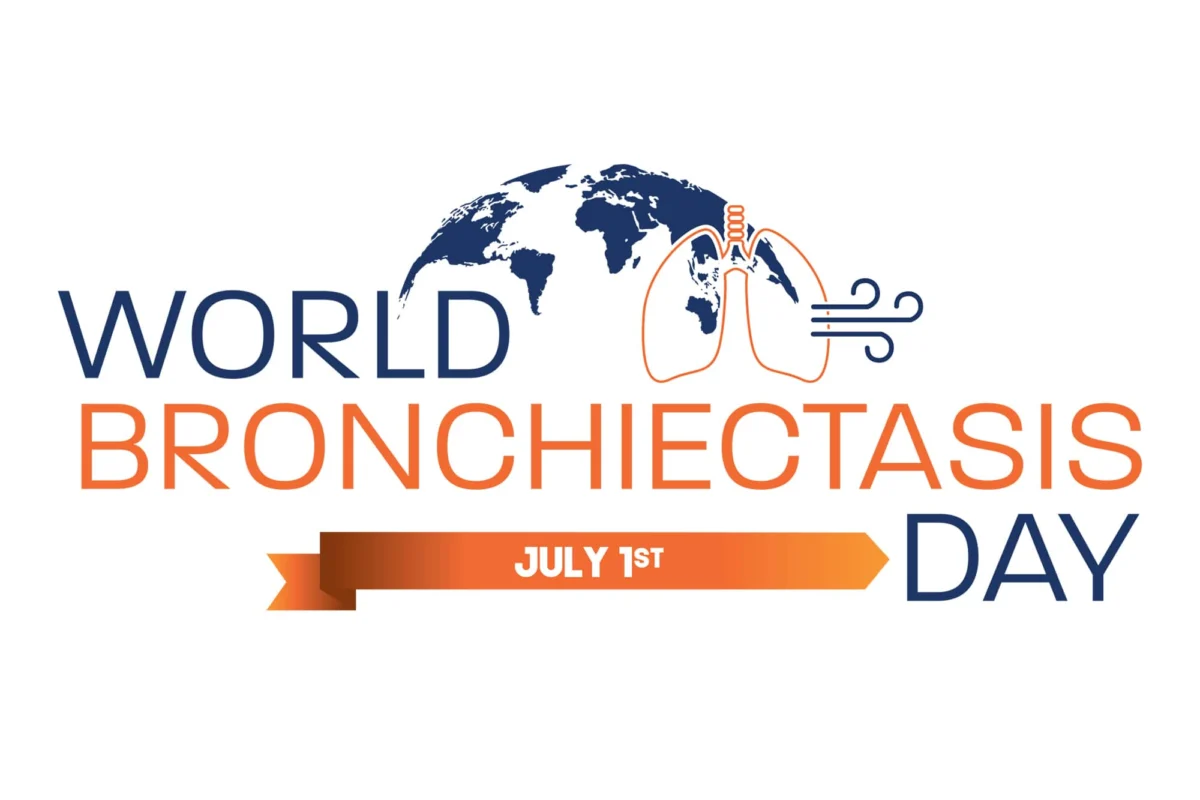
On Wednesday, July 1, 2026, a massive, coordinated global effort will take center stage as the Bronchiectasis and NTM Association, in partnership with nearly 30 patient advocacy groups and leading medical professional societies, marks the fifth annual World Bronchiectasis Day. This milestone event serves as a critical turning point for a condition that has transitioned from being perceived as a “rare” medical curiosity to a significant global public health concern affecting over one million individuals worldwide.
Through a month-long series of educational initiatives, community outreach, and the groundbreaking “BE the Light” illumination campaign, stakeholders are aiming to bridge the gap in diagnosis, treatment, and support for those navigating the complexities of chronic airway disease.
The Landscape of Bronchiectasis: Understanding the Condition
Bronchiectasis is a chronic, progressive lung condition that occurs when the bronchial tubes—the airways that carry air in and out of the lungs—become permanently damaged, widened, or scarred. This damage impairs the lungs’ ability to clear mucus effectively, creating a stagnant environment that is highly susceptible to recurrent bacterial infections and inflammation.
For decades, the disease was often overlooked or misdiagnosed as asthma or chronic obstructive pulmonary disease (COPD). However, advancements in high-resolution computed tomography (HRCT) and a more sophisticated understanding of respiratory immunology have shifted the paradigm. The Bronchiectasis and NTM Association emphasizes that while the condition was once considered rare, current epidemiological data suggests a much higher prevalence, fueled by increased clinical awareness and improved diagnostic accessibility.
Chronology of a Global Movement
The path to the 2026 World Bronchiectasis Day reflects the evolution of respiratory advocacy.
- 2022: The Inaugural Year: The movement began with a concentrated effort to define the clinical parameters of the disease and establish a unified voice for patients who often felt isolated by the rarity of their symptoms.
- 2023–2024: Building Infrastructure: During these years, the coalition focused on standardizing care protocols. International collaboration between the US-based Bronchiectasis and NTM Association and European research bodies began to harmonize treatment guidelines.
- 2025: Expanding the Footprint: The focus shifted toward pediatric and geriatric sub-groups, highlighting how the disease affects different demographics.
- 2026: The Global Illumination: This year marks the most ambitious iteration yet, featuring the “BE the Light” campaign. This visual display is intended to symbolize the "invisible" nature of the disease and the need for public awareness.
Supporting Data: The Scale of the Crisis
The urgency behind this year’s World Bronchiectasis Day is underscored by sobering statistics. In the United States alone, hundreds of thousands of individuals live with the disease, many of whom face years of diagnostic uncertainty before receiving an accurate report.
Global estimates indicate that more than 1 million people are currently managing the condition, though many experts believe this is an undercount due to undiagnosed cases in developing nations. The economic and personal burden is substantial:
- Readmission Rates: Patients with bronchiectasis often face high rates of hospitalization due to “exacerbations”—acute worsening of symptoms that require intravenous antibiotics and prolonged respiratory therapy.
- Quality of Life: The constant cycle of chronic cough, fatigue, and breathlessness significantly impacts physical activity and mental health.
- Treatment Complexity: Management requires a multidisciplinary approach, including airway clearance techniques, inhaled antibiotics, and sometimes surgical interventions, necessitating access to specialized pulmonology centers that are not always available in rural or underserved areas.
Official Responses: Voices from the Frontlines
Dr. Tim Aksamit, medical director of the Bronchiectasis and NTM Association and a physician at the Mayo Clinic, views the 2026 event as a testament to the progress of the past half-decade.
“This day is a powerful reminder of how far the bronchiectasis community has come and how much opportunity lies ahead,” Aksamit stated. “In recent years, we’ve seen growth in research, greater recognition of the disease, and new treatment options. The goal now is to translate this knowledge into better outcomes for patients in every corner of the globe.”
The international effort is co-chaired by Aksamit and Professor James Chalmers, the British Lung Foundation chair of respiratory research at the University of Dundee. Together, they have spearheaded a strategy that emphasizes the importance of evidence-based practice. Professor Chalmers has long argued that the “neglected” status of bronchiectasis in research circles is a primary barrier to innovation. By uniting these organizations, the planning committee is effectively creating a global research network capable of conducting large-scale clinical trials.
The “BE the Light” Initiative
Perhaps the most striking development for 2026 is the “BE the Light” campaign. On July 1, sixty-four landmarks across the United States, England, Northern Ireland, Scotland, Australia, and New Zealand will illuminate in blue.
This act serves two purposes:
- Public Awareness: It forces the general public to ask, "Why are these buildings blue?" providing an opportunity to disseminate information about lung health.
- Community Solidarity: For patients who have spent years feeling like their illness is "invisible" to their peers and medical providers, seeing their struggle acknowledged on a global stage provides a profound sense of validation.
Implications: A New Era for Respiratory Care
The implications of the 2026 World Bronchiectasis Day extend far beyond a single day of awareness. By coalescing around this date, the international medical community is signaling a shift in how chronic respiratory conditions are prioritized.
1. Clinical Implications
The primary goal is the reduction of diagnostic delay. If primary care physicians are better educated on the hallmark signs of bronchiectasis—such as chronic, productive cough and recurrent infections—patients can start treatment sooner. Early intervention is the cornerstone of preventing permanent, irreversible lung tissue damage.
2. Policy and Funding
The coordinated efforts of 30 organizations carry significant weight when lobbying for government-funded research. By demonstrating that bronchiectasis is a widespread, costly, and debilitating condition, the association is positioning itself to request increased federal and international grants for drug development and patient support programs.
3. Patient Advocacy
The movement empowers patients to move from passive recipients of care to active participants in their treatment plans. Through the educational resources being provided throughout July, patients are learning how to advocate for access to specialized care, how to perform airway clearance techniques effectively, and how to manage the mental health challenges associated with chronic illness.
4. The Future of Research
As the global community unites, the data collection becomes more robust. With a larger, international patient registry, researchers can better understand the phenotypic variations of the disease—why it presents differently in different people and how genetic factors influence progression. This is the bedrock upon which future, more personalized medicine will be built.
Conclusion
As we look toward the activities of July 2026, it is clear that the landscape of bronchiectasis management is undergoing a fundamental transformation. What was once a fragmented field of study is now a global community bound by shared goals and a clear, unified vision.
The 2026 World Bronchiectasis Day is more than just a calendar event; it is a declaration that the millions living with this condition deserve better outcomes, more effective treatments, and a world that understands their struggle. As the blue lights flicker on across major cities worldwide, they serve as a beacon of hope—not only for the patients of today but for the future of respiratory medicine as a whole.
For those interested in participating or learning more about the resources available, the Bronchiectasis and NTM Association and its partners are hosting virtual town halls, expert Q&A sessions, and patient-led forums throughout the month of July. Through these efforts, the message remains clear: the fight against bronchiectasis is gaining momentum, and no one is fighting it alone.