




In the high-stakes world of functional fitness, where the difference between a personal record and a plateau is often measured in milliseconds and millimeters, footwear is the athlete’s most critical piece of equipment. As the industry shifts toward hybrid training—a fusion of HIIT, weightlifting, and endurance-based competition like HYROX—the demand for a shoe that balances weightlessness with structural integrity has never been higher.
Enter the Reebok Nano Gym 2.0. With a radical 20% reduction in mass compared to its predecessor, the Nano Gym 2.0 arrives at a mere 10.6 ounces (300g), challenging the long-held assumption that durability must come at the cost of weight. We sat down with Tal Short, Reebok’s Director of Training Footwear, to unpack how the brand achieved this engineering feat and what it means for the future of the training sneaker.
The Genesis of a Lightweight Titan: Main Facts
The Nano Gym 2.0 is not merely a refined version of the original; it represents a philosophical shift in Reebok’s design language. By stripping away non-essential structural elements, the design team focused on "performative minimalism."
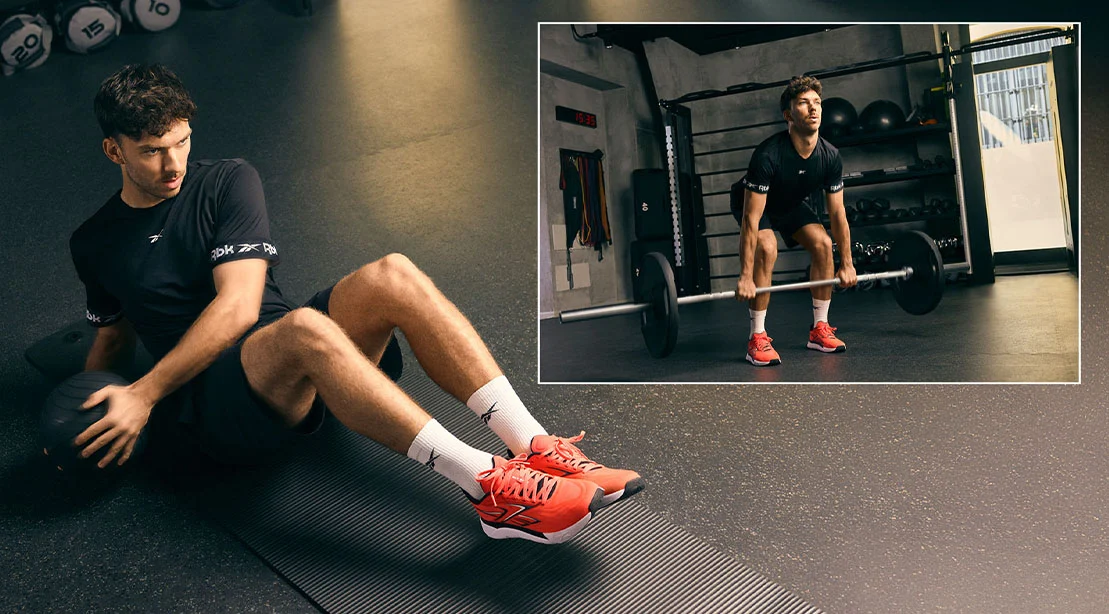
The core achievement of the Nano Gym 2.0 lies in its weight-to-stability ratio. At 10.6 ounces, it sits in a "sweet spot" for athletes who require enough foam for high-impact jumping and enough stability for ground-based lifting. The shoe utilizes a redeveloped upper and an advanced midsole composition to maintain its "do-it-all" reputation. It is a hybrid shoe designed for the modern athlete who transitions seamlessly from a heavy squat rack to a high-intensity circuit, and finally to a post-workout commute.
A Chronological Progression: From Nano to Gym 2.0
To understand the significance of the 2.0, one must look at the trajectory of the Nano line. For over a decade, the Nano series has been the gold standard for CrossFit and functional fitness. However, as the fitness landscape evolved from strictly barbell-centric programming to more dynamic, multi-modal training, the requirements for the shoe changed.
- The Early Years: The original Nano iterations were built for extreme durability and stability, often characterized by a flatter, stiffer sole designed to keep the foot planted during heavy Olympic lifts.
- The Hybrid Shift: As training styles like HIIT (High-Intensity Interval Training) and HYROX gained global traction, the need for propulsion and energy return became just as important as stability.
- The Nano Gym 1.0: Reebok introduced the "Gym" sub-line to provide a more accessible, agile, and lightweight alternative to the heavier Nano competition shoes.
- The 2.0 Breakthrough: Launched in the summer of 2026, the 2.0 iteration focused on the "weight problem." Through advanced material science, the team successfully shaved off 20% of the weight while increasing the responsiveness of the foam, marking the most significant performance leap in the sub-line’s history.
Engineering for Performance: Supporting Data
The reduction in weight is not simply a matter of removing material; it is a matter of strategic material optimization. According to internal data provided by Reebok, the weight reduction was achieved through three primary pillars of design:
1. The Engineered Mesh Evolution
The upper of the Nano Gym 2.0 is constructed from a proprietary mesh that provides targeted breathability zones. Instead of using heavy synthetic overlays to provide structure, Reebok employed "zoned tension," where the weave of the fabric is tighter in areas that require lateral support and looser in areas that require ventilation. This eliminates the need for excess glue and heavy TPU (thermoplastic polyurethane) cages.
2. The FLOATPULSE Foam Midsole
At the heart of the shoe’s performance is the FLOATPULSE foam. In standardized energy-return testing, this foam consistently outperforms traditional EVA (Ethylene-Vinyl Acetate) used in standard gym shoes. By injecting nitrogen-infused compounds into the foam matrix, Reebok has created a material that is not only lighter but possesses a higher "rebound" coefficient, helping athletes maintain explosive speed during intervals.
3. The Flex-Groove Outsole
The outsole features a multi-directional pattern of flex grooves. Data suggests that these grooves allow the foot to move naturally during dynamic movements—such as burpees, mountain climbers, or lateral shuffles—without the "clunky" feel associated with stiffer training shoes. The rubber compound used is high-abrasion, ensuring that even with the reduced thickness of the sole, the shoe maintains grip on both gym floors and rubberized turf.
The Architect’s Perspective: Official Responses
Tal Short, the man overseeing the transformation, notes that the greatest challenge was maintaining the "Nano spirit" while cutting the bulk.
"We worked on streamlining the design and removing any bulk or unnecessary materials that weren’t crucial to the performance of the shoe," Short explains. "Stability remains key. The upper, specifically, was redeveloped to feature a locked-in fit with lightweight yet durable breathability zones. The midsole remains highly responsive and stable with spring-loaded foam, while the gym-specific flex groove outsole offers added grip and stability where it’s needed most."
When asked about the "float-like" sensation of the new model, Short emphasizes the role of the FLOATPULSE technology. "I’m most excited about the FLOATPULSE foam in the midsole. It’s an ultra-responsive foam that creates high-rebound energy return, so it supports explosive movements in the gym and can take an athlete’s training routine to the next level. We didn’t want to make a shoe that was just light; we wanted to make a shoe that made you feel fast."
Implications for the Fitness Industry
The release of the Nano Gym 2.0 at the $100 price point carries significant implications for the wider athletic footwear market.
The Democratization of Performance
By pricing the shoe at $100, Reebok is positioning the Nano Gym 2.0 as an accessible entry point into high-performance footwear. In an era where "super-shoes" for running can reach upwards of $300, providing a versatile, elite-tier training shoe at this price point is a strategic move to capture the growing demographic of fitness enthusiasts who participate in hybrid training.
The Rise of Hybrid Fitness
The shoe’s design speaks directly to the rise of HYROX and similar fitness racing events. These sports require a unique profile: you need the cushion of a running shoe for the segments between stations, but the stability of a lifting shoe for the functional movements like sled pushes, burpees, and wall balls. The Nano Gym 2.0 is arguably the first mainstream shoe to explicitly cater to this "hybrid" athlete without sacrificing its identity as a gym-first product.
Future Design Language
The success of this model suggests that the industry is moving away from the "heavier is more stable" dogma. As manufacturing techniques like 3D weaving and advanced polymer injection become more sophisticated, we can expect to see even lower-weight shoes that maintain high levels of torsional rigidity.
Looking Ahead: The Summer of 2026
The Reebok Nano Gym 2.0 is scheduled for global release on July 16, 2026. Available in a variety of unisex colorways, the launch will be followed by a series of rolling releases throughout the summer, featuring different color palettes and limited-edition collaborations.
For the average gym-goer, the message is clear: whether you are a veteran of the lifting platform or a newcomer looking to try your first HIIT class, the days of choosing between comfort and stability are over. By blending the durability of the classic Nano line with the lightweight advancements of modern material science, Reebok has set a new benchmark for what a gym shoe should be.
As Tal Short concludes, "The Nano Gym 2.0 offers the ultimate versatility. Whether you need a reliable option for your regular gym routine, for trying out a new fitness class, or maybe dipping your toes into HYROX, you can confidently do it all."
The industry is watching closely. If the Nano Gym 2.0 performs as well in the wild as it has in the lab, the bar for all future training footwear has just been raised.