







The landscape of respiratory medicine in Europe is undergoing a profound transformation. No longer confined to the sterile, hierarchical boundaries of the clinic, the future of lung health is being co-designed by those who understand it best: the patients. At the recent European Respiratory Society (ERS) Presidential Summit in Warsaw, this paradigm shift was not merely a talking point—it was the central pillar of the event.
By bringing together leading clinicians, top-tier researchers, policymakers, and patient representatives, the Summit underscored a fundamental truth: scientific innovation is only as effective as the patient’s ability to live with it. As the industry looks toward a future defined by artificial intelligence, earlier detection, and climate-conscious healthcare, the "lived experience" is emerging as the most critical variable in the equation.
The Evolution of the Patient-Professional Partnership
The ERS Presidential Summit served as a high-level forum to discuss the most pressing challenges in respiratory health, from the growing crisis of air quality to the logistical complexities of lung transplants. However, the most striking development was the shift in tone regarding patient inclusion.
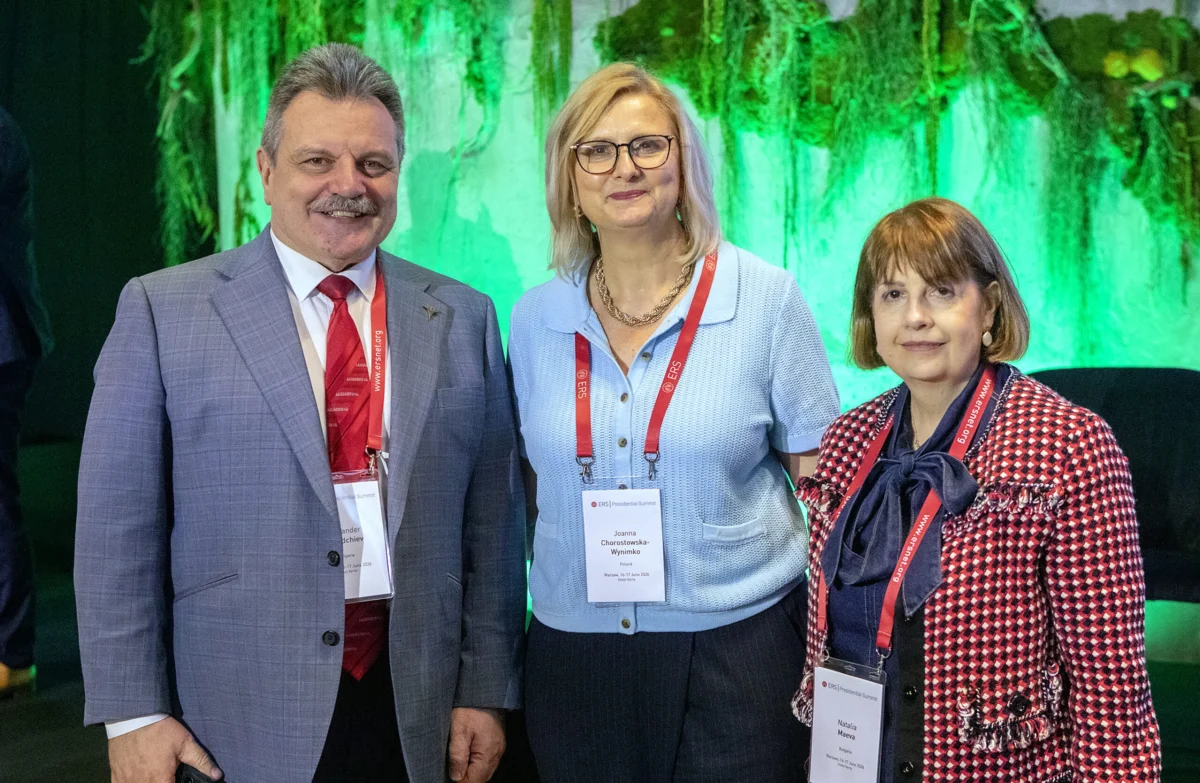
For years, "patient involvement" was often treated as a box-ticking exercise. Today, it has evolved into a strategic necessity. Natalia Maeva, a lung transplant recipient and Chair of the Bulgarian Society of Patients with Pulmonary Hypertension (BSPPH), articulated this shift during the summit.
"What impressed me most was the genuine willingness to listen," Maeva noted. "Scientists, clinicians, policymakers, and patients were not speaking in separate conversations—we were learning from one another. As someone living with pulmonary hypertension, it was encouraging to feel that my experience was valued alongside scientific expertise."
Maeva’s sentiment was echoed by Phil Taverner, the incoming Chair of the European Lung Foundation (ELF) for the 2026–2029 term. For Taverner, who has managed asthma since childhood and more recently navigated a diagnosis of bronchiectasis, the Summit provided a rare, neutral ground. "It was great to see patients involved in all the sessions and mixing with clinicians and scientists in a joint search for improved services and treatments," Taverner remarked. "The opportunity for patients, healthcare professionals, and researchers to come together and learn from one another is invaluable."
Key Focus Areas: From Early Detection to AI
The agenda for the Summit was ambitious, covering the spectrum of respiratory challenges. Below is a breakdown of the core topics that dominated the discussions.
1. The Imperative of Early Detection
One of the most persistent themes was the necessity of early diagnosis. For patients like Maeva, whose life was fundamentally changed by access to specialized care and a transplant, the "lost years" spent waiting for an accurate diagnosis are a source of great concern.
"Detecting respiratory diseases earlier can change the course of a patient’s life and improve outcomes long before the disease reaches an advanced stage," she explained.
Phil Taverner expanded on this, highlighting the systemic failures that often delay care. "I thought most deeply about the session I was involved in regarding the value of screening. It brought home to me again the lost opportunities of not including respiratory health in routine health checks. If the reason is financial, it’s a false economy, as chances to detect problems at an early stage are missed."
2. The AI Frontier in Respiratory Health
Artificial Intelligence (AI) occupied a significant portion of the discourse. While the potential for AI to streamline diagnostic workflows and analyze complex imaging is immense, patient representatives were clear on one requirement: technology must serve the human element, not displace it.
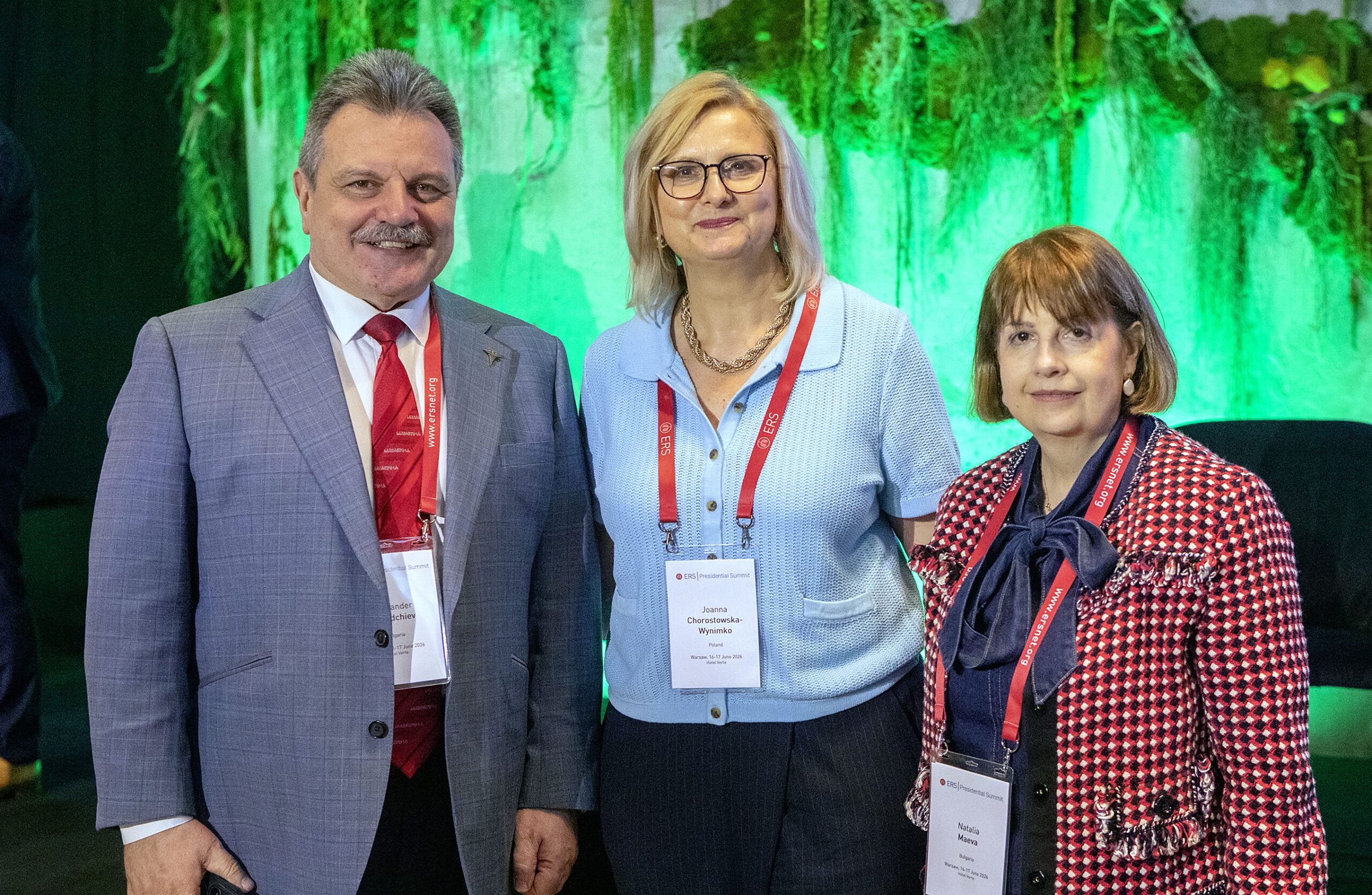
"The discussions on AI were positive, highlighting that it should support healthcare professionals, not replace the human connection patients need," Maeva noted. Taverner agreed, adding a cautionary note: "The key point for me was not to let it [AI] dull our critical thinking or our ability to make informed decisions."
3. Climate Change and Lung Health
The Summit also addressed the intersection of environmental policy and respiratory health. As European cities grapple with rising pollution levels, advocates are pushing for more robust "Healthy Lungs for Life" initiatives. Maeva, who has been instrumental in coordinating advocacy efforts, expressed optimism that upcoming events in Sofia, Bulgaria, would help bridge the gap between abstract climate data and the lived realities of citizens breathing polluted air.
The Role of International Collaboration: Lessons from Croatia
The Summit highlighted that excellence in healthcare is not limited to the continent’s wealthiest nations. A significant portion of the discussions focused on successful models of care, with the Croatian national lung cancer screening program receiving particular recognition as a "good practice" model.
By demonstrating that even smaller nations can implement highly effective, scalable screening programs, the participants reinforced the idea that best practices can—and should—be exported across the European Union. This collaborative spirit is essential for narrowing the health inequality gap between Eastern and Western Europe.
Implications for Future Policy
The takeaway from the Warsaw Summit is clear: the siloed approach to respiratory care is effectively dead. The implications for the next decade of healthcare policy are threefold:
- Integrated Healthcare Systems: Future healthcare designs must center on the patient journey, not just the clinical pathway. This means incorporating patient feedback at the design phase of new diagnostic tools and services.
- The "Expert Patient": Patients are no longer just recipients of care; they are stakeholders in research and development. Their contributions regarding the daily management of symptoms provide data points that clinical trials often miss.
- Regulatory Efficiency: The discussion regarding the time it takes to bring new treatments to market remains a point of friction. Patients and clinicians alike are calling for more transparent, faster regulatory pathways that do not compromise on safety but do recognize the urgency of chronic, progressive conditions.
Strengthening the Patient Voice: How to Get Involved
The work performed by representatives like Helen Parks, Dimitris Kontopidis, and Stefan Radut—who were also in attendance—highlights the need for a sustained, professionalized patient voice. The European Lung Foundation (ELF) continues to facilitate this through its various Patient Advisory Groups (PAGs) and the European Patient Ambassador Programme (EPAP).
The EPAP initiative, a free, self-learning online program, is designed to empower patients and carers with the skills needed to represent themselves effectively in political and clinical settings. As the industry moves toward a more collaborative model, the demand for "ambassador-level" advocacy will only increase.
Conclusion: A New Era of Partnership
The 2026 ERS Presidential Summit proved that when the clinical, scientific, and patient communities align, the potential for progress is exponential. Patient involvement is no longer an aspiration; it is the fundamental mechanism through which future respiratory care will be defined.
As Natalia Maeva noted, "Patients contribute expertise that no textbook can provide: the experience of living with disease every day." By integrating this unique knowledge into the very heart of medical strategy, Europe is moving closer to a future where respiratory conditions are not just managed, but understood, prevented, and treated with the dignity and precision that patients deserve.
For those interested in contributing to this movement, the invitation remains open. Whether through joining a PAG or completing the EPAP training, the opportunity to influence the future of lung health has never been more accessible—or more necessary.
For further information on joining a Patient Advisory Group or enrolling in the European Patient Ambassador Programme, please contact the European Lung Foundation at [email protected].