











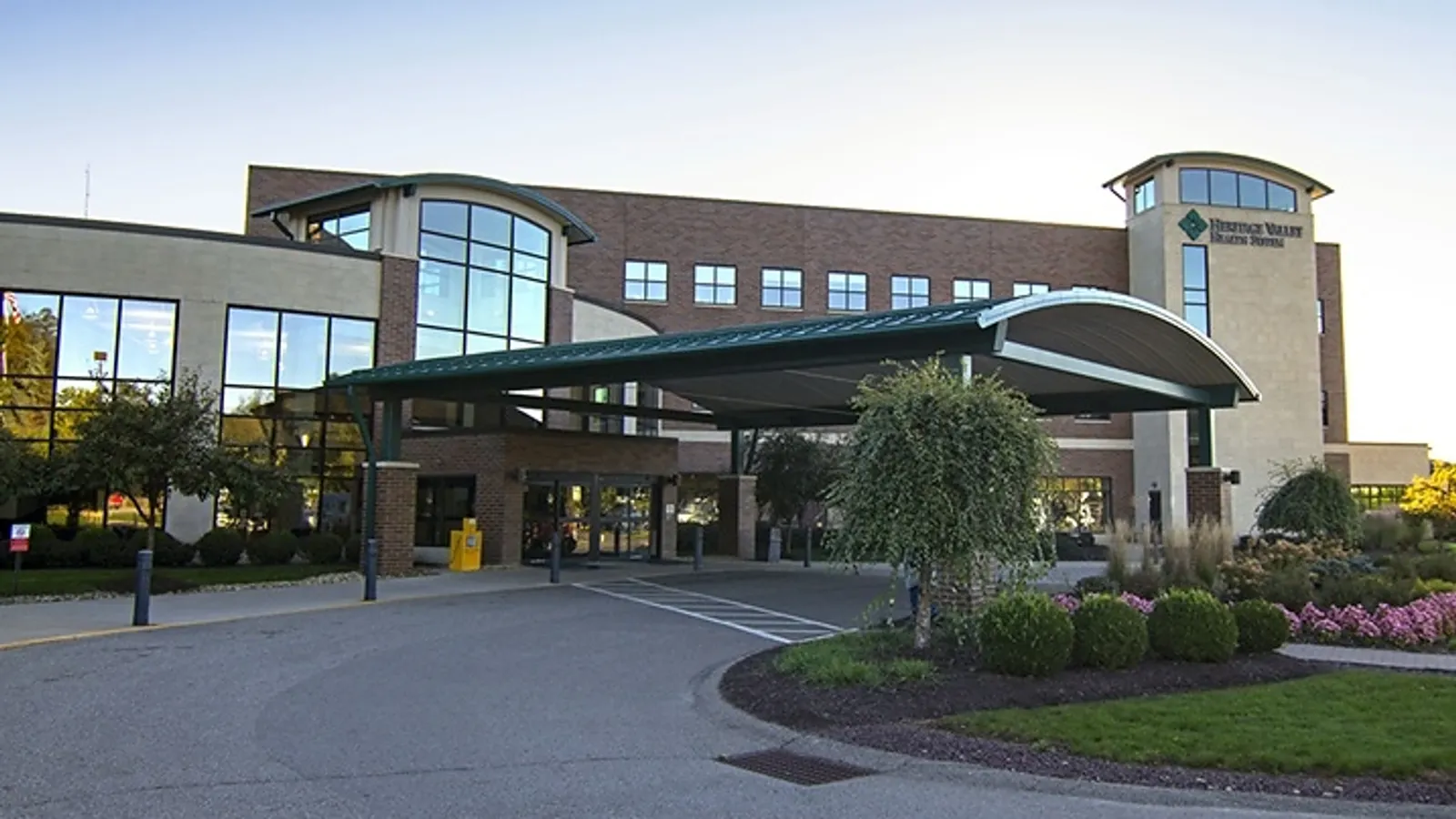
In a landmark shift for the western Pennsylvania healthcare landscape, Allegheny Health Network (AHN)—the provider arm of the $32 billion healthcare titan Highmark Health—has successfully finalized its acquisition of the Heritage Valley Health System. The move, which integrates a two-hospital system into one of the region’s largest networks, represents a significant consolidation of assets and expertise, aimed at stabilizing the delivery of care in a sector increasingly pressured by rising operational costs and shifting financial dynamics.
The merger brings Heritage Valley’s two hospitals, Beaver and Sewickley, alongside 36 physician offices and seven multi-specialty facilities under the AHN umbrella. The transition marks the end of a contentious regulatory period and initiates a decade-long investment plan intended to revitalize community-based care in the region.
Chronology of the Acquisition
The path to integration was not without its hurdles. The synergy between the two systems was first publicly unveiled in October, signaling a strategic alignment intended to pool resources. However, the deal hit a significant roadblock in June when Pennsylvania Attorney General Dave Sunday initiated legal action to block the merger.
The Attorney General’s office contended that the acquisition would “substantially lessen or eliminate competition” regarding acute care and radiation oncology services within Beaver and Allegheny Counties. Regulators feared that a market dominated by the Highmark-backed AHN would inevitably lead to increased costs for both patients and insurers.
Following intense negotiations, a settlement was reached that allowed the transaction to proceed under strict oversight. The agreement mandates that AHN maintain operations at Heritage Valley’s Beaver Hospital, provided there is sufficient patient demand, and commit to keeping Sewickley Hospital open for at least five years. These stipulations were designed to ensure that the consolidation did not result in a "healthcare desert" for residents in the peripheral areas of Pittsburgh.
Financial Realities: A Lifeline for Heritage Valley
The acquisition arrives at a critical juncture for Heritage Valley. In the 2024 fiscal year, the system reported an operating loss of $56 million, a figure compounded by a $14.1 million impairment charge related to the closure of its Kennedy Hospital. This financial instability led to a credit rating downgrade by Fitch Ratings last summer, which cited "wider-than-anticipated losses" as a primary concern.
Heritage Valley’s fiscal outlook remained grim, with projections suggesting an additional $46 million operating loss for the 2025 fiscal year. The closure of the Kennedy facility last summer was an early indicator of the systemic pressure the provider was facing, driven by dwindling patient volumes and increasingly restrictive reimbursement rates from commercial payers.
Conversely, AHN has demonstrated greater financial resilience. While the system noted a year-over-year decline in net income—dropping from $13.4 million to $6 million in the quarter ending March 31—this was largely attributed to fluctuations in investment earnings rather than operational inefficiency. With stable patient volumes and a portfolio of high-acuity, lucrative clinical cases, AHN is positioned to absorb Heritage Valley’s financial liabilities and integrate its infrastructure into a more sustainable, high-volume model.
Supporting Data and Operational Impact
The integration of Heritage Valley’s 3,000 employees into the AHN workforce will push the network’s total headcount to approximately 27,000. Among these new additions are roughly 500 physicians whose transition is expected to bolster AHN’s primary care, imaging, rehabilitation, and women’s health service lines.
To facilitate this integration, the combined system has pledged a significant capital expenditure: approximately $285 million will be deployed over the next decade to modernize Heritage Valley’s aging facilities and clinical technologies. A cornerstone of this digital transformation is the migration of all Heritage Valley records onto the Epic electronic health record (EHR) system. By standardizing the IT infrastructure, AHN expects to enhance clinical coordination, reduce administrative redundancies, and improve patient safety through seamless data sharing across the network.
Official Responses and Strategic Vision
The leadership at both organizations has framed the merger as a vital necessity for long-term survival in an increasingly volatile healthcare market. David Holmberg, CEO of Highmark Health, emphasized that the current economic climate leaves little room for isolationist strategies.
“In today’s healthcare environment, strategic affiliations and collaborations are essential to preserving affordable, quality access for the patients, members, and communities we serve,” Holmberg stated. His comments reflect a broader sentiment within the C-suite that scale is now a prerequisite for providing high-quality, specialized care.
Attorney General Dave Sunday, while initially adversarial, ultimately endorsed the settlement as a protective measure for Pennsylvania residents. “When hospital systems change ownership, there is always the potential for impacts on access to care,” Sunday noted. “The hardworking staff in my office negotiated an agreement that protects access to high-quality health care services for these western Pennsylvania communities and ensures those services remain available for at least the next decade.”
Broader Implications: The M&A Landscape
The AHN-Heritage Valley deal is emblematic of a larger, national trend. Following a brief period of stagnation in 2025 caused by macroeconomic stress and policy ambiguity in Washington, hospital mergers and acquisitions have seen a notable resurgence in the first quarter of the current year.
According to data from the healthcare consultancy Kaufman Hall, this period has been defined by a focus on divestitures and defensive consolidation. Hospitals that were once community cornerstones are increasingly finding themselves unable to navigate the current fiscal environment, which has been exacerbated by cuts to federal safety-net programs like Medicaid.
The trend has reached a historic threshold: last year, over 43% of all hospital M&A activity involved at least one party that was deemed financially distressed. This "distress-driven consolidation" suggests that the U.S. hospital sector is undergoing a fundamental structural correction. Smaller systems are being systematically absorbed by larger, better-capitalized entities—like the Highmark-AHN ecosystem—that possess the diversified revenue streams necessary to weather declining reimbursement rates and rising labor costs.
The "Safety Net" Paradox
The challenge for regulators and policymakers moving forward will be balancing this need for financial stability with the preservation of market competition. While mergers provide a "lifeline" that prevents the outright closure of hospitals, they also inherently reduce the number of independent providers.
The requirement for AHN to maintain specific facilities for a set duration is a common, though temporary, solution to this dilemma. However, the long-term question remains: can these massive, integrated systems maintain the same level of community responsiveness that smaller, independent hospitals once provided?
As AHN begins its ten-year investment cycle, the residents of western Pennsylvania will be the ultimate judges of this transition. If the infusion of capital and the adoption of the Epic EHR system result in streamlined care and improved clinical outcomes, the merger will likely be viewed as a model for regional healthcare preservation. If, however, the consolidation leads to the predicted price hikes and a narrowing of service options, it may invite further scrutiny from state regulators and signal a need for more robust antitrust enforcement in the healthcare sector.
For now, the deal stands as a testament to the realities of 21st-century medicine: in the face of mounting fiscal headwinds, scale is not merely a strategy for growth—it is, for many, the only path to survival.