




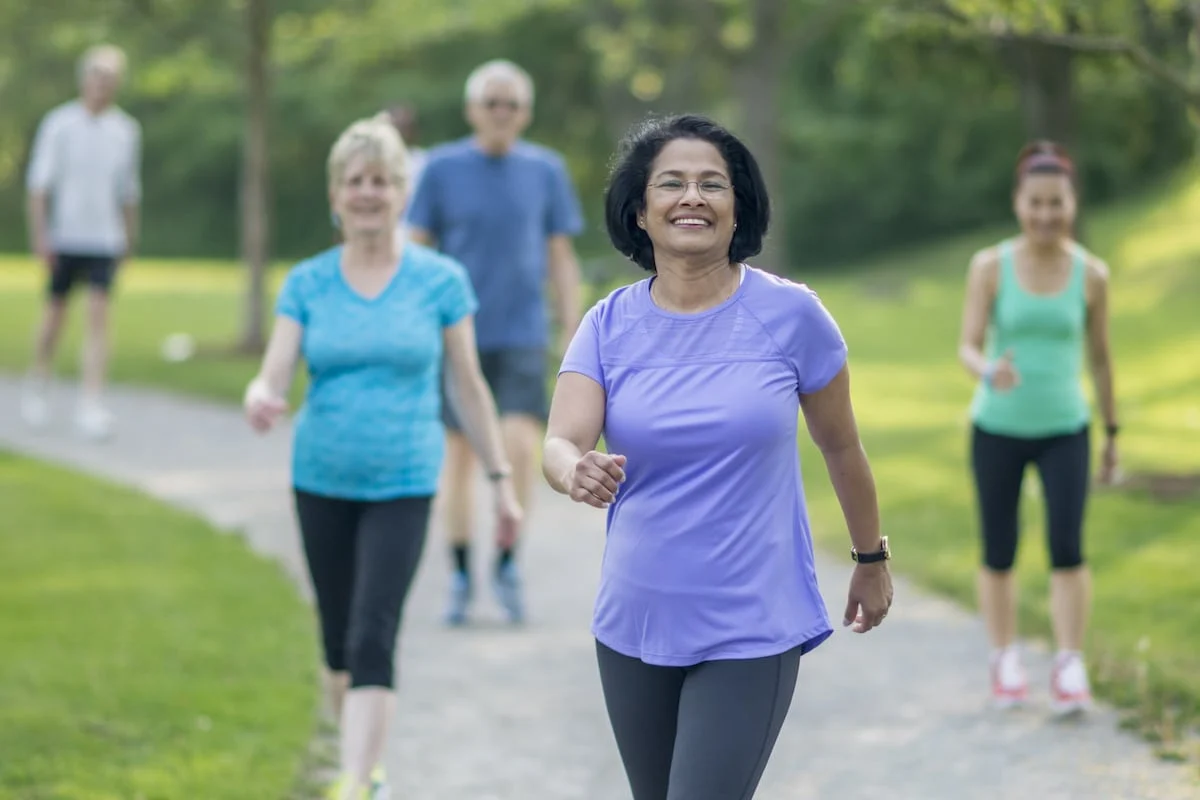
In an era defined by digital hyper-connectivity and physical isolation, a low-tech, ancient mode of human movement is undergoing a modern renaissance. Walking, once relegated to the status of a mundane necessity, has emerged as the cornerstone of a burgeoning social movement. From quiet suburban cul-de-sacs to the bustling corridors of metropolitan parks, organized walking clubs are transforming the landscape of physical fitness, proving that the most effective path to better health is often one taken in the company of others.
Main Facts: The Intersection of Movement and Community
The core premise of the modern walking club movement is simple: exercise is more sustainable when it is social. While medical professionals have touted the cardiovascular benefits of walking for decades, the current trend shifts the focus toward the psychological and communal "dividends" of the activity.
Walking clubs act as a social lubricant, lowering the barrier to entry for individuals who find the high-intensity, competitive atmosphere of traditional gyms exclusionary or intimidating. By removing the need for specialized equipment, gym memberships, or complex training regimens, these clubs democratize fitness. Participants report that the "accountability factor"—the simple knowledge that others are waiting for them at a trailhead or park bench—is the primary driver in maintaining a consistent routine.
A Chronological Evolution of the Walking Movement
To understand the current surge in walking clubs, one must look at the recent evolution of public health strategy:
- Pre-2020: The Solitary Stride. Before the global pandemic, walking was largely viewed as an individual pursuit—a way to get from point A to point B or a personal meditative practice.
- 2020–2022: The Necessity of Outdoor Interaction. During global lockdowns, walking became one of the few permitted social activities. Neighbors began coordinating "distanced strolls," laying the groundwork for the organized clubs we see today.
- 2023–2024: The Rise of the Social Fitness Paradigm. Fitness startups and local community centers began formalizing these informal gatherings, adding structure, tracking apps, and scheduled meetups to create a sense of belonging.
- 2025–2026: Institutional Adoption. Major health organizations, including the World Health Organization (WHO), began formalizing guidelines for "active communities," recognizing that walking clubs are not just social groups, but essential public health interventions.
Supporting Data: The Science Behind the Step
The shift toward group walking is supported by an increasing body of clinical evidence. According to a landmark 2025 study published in Circulation (Paluch et al., 2025), walking is not merely a moderate physical activity; it is a potent health promotion tool that serves as a hedge against the sedentary lifestyle diseases plaguing the modern world.
The data suggests several key takeaways:
- Sustainability Metrics: Individuals who participate in social walking programs show a 40% higher adherence rate to physical activity recommendations over a 12-month period compared to those who exercise alone.
- Mental Health Correlates: Longitudinal studies indicate that group walking reduces cortisol levels and reported feelings of loneliness significantly more than solitary walking, due to the release of oxytocin associated with social bonding.
- The "Gym-Avoidant" Demographic: Public health surveys indicate that nearly 65% of individuals who identify as "sedentary" cite the gym environment as a psychological barrier. Walking clubs capture this demographic, effectively converting non-exercisers into consistent movers.
Official Responses: Global Health Perspectives
The World Health Organization’s 2025 report, Walking and Active Communities, represents a shift in global health policy. Rather than focusing solely on individual prescriptions (e.g., "walk 10,000 steps"), the WHO now emphasizes the "built environment"—the infrastructure required to support community walking.
"We are moving away from the medicalization of exercise," says Dr. Elena Vance, a lead researcher in physical activity promotion. "When we frame walking as a social ritual rather than a medical prescription, we see higher participation rates. Governments must now prioritize walkable urban designs, pedestrian-safe zones, and green spaces not just for transit, but as ‘health infrastructure’ where communities can congregate."
Local municipal leaders have begun responding to these recommendations by subsidizing walking paths and creating "community walking hubs," acknowledging that a walking club is one of the most cost-effective ways to lower the long-term healthcare burden on a municipality.
Implications for Fitness Professionals
The rise of the walking club presents a significant opportunity—and a challenge—for the traditional fitness industry. Fitness professionals are finding that their traditional business models are being disrupted by low-cost, high-impact alternatives.
The Shift in Professional Roles
Personal trainers are increasingly pivoting from "gym-based coaches" to "movement facilitators." Rather than charging for an hour of equipment supervision, many trainers are now facilitating community walking groups, using these sessions to provide light coaching, posture correction, and nutrition education in a natural, low-stress environment.
The Business of Community
For the fitness entrepreneur, the implication is clear: community is the new premium. Fitness centers that have survived the post-2020 shift are those that have integrated outdoor, group-based activities into their offerings. By hosting "walk-and-talk" workshops, businesses are creating a funnel that draws people into the fitness ecosystem who would otherwise never walk through the doors of a traditional facility.
Public Health and Longevity
On a broader societal level, the normalization of walking clubs suggests a shift in how we define "healthy aging." As populations in the West and parts of Asia grow older, the focus is shifting from "peak athletic performance" to "functional longevity." Walking clubs provide the perfect intersection of physical maintenance and the social engagement necessary to combat the cognitive decline associated with isolation in later life.
Navigating the Future: Barriers and Opportunities
Despite the benefits, the movement faces challenges. Urban sprawl, lack of pedestrian infrastructure, and safety concerns remain significant hurdles. In many areas, the "walkability" of a neighborhood is determined by socioeconomic status, creating a health disparity where lower-income communities lack the safe spaces necessary to form walking clubs.
To address this, urban planners are working with community groups to "reclaim the streets." This involves tactical urbanism—using temporary measures like paint, planters, and temporary barriers to create safe walking loops in underutilized spaces.
Conclusion: A Step Toward Collective Wellness
The walking club phenomenon is more than a fleeting fitness trend; it is a reclamation of the human experience. By aligning our biological need for movement with our psychological need for connection, we have stumbled upon an elegant solution to some of our most complex modern problems.
As we look toward the latter half of the decade, the walking club is likely to become a permanent fixture in the civic landscape. It is a reminder that the most sophisticated health technology we possess is the human body, and the most effective way to keep it moving is to find a partner, step out the door, and start walking.
References
- Paluch, A. E., Saint-Maurice, P. F., Lavie, C. J., & Kraus, W. E. (2025). Walking for health promotion: Contemporary evidence and public health applications. Circulation, 151(4), 312–324.
- World Health Organization. (2025). Walking and active communities: Global recommendations for physical activity promotion. Geneva, Switzerland: World Health Organization.
- Fitness Journal – 2026, Issue 7. (For a broader analysis on the shift toward communal exercise models).