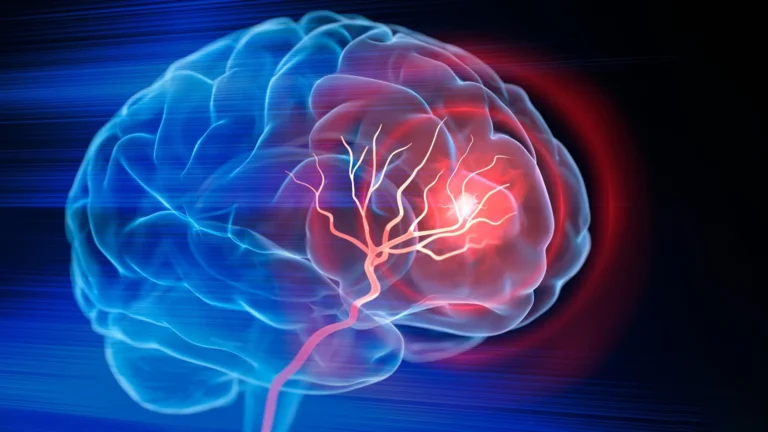
In a breakthrough that could reshape how clinicians diagnose and manage neurodegenerative diseases, researchers from Nanyang Technological University, Singapore (NTU Singapore) have identified a critical "clog" in the brain’s waste-removal architecture that acts as a harbinger for Alzheimer’s disease. By observing the enlargement of perivascular spaces—the fluid-filled channels responsible for clearing toxic proteins—scientists have uncovered a potential early-warning system that could allow for interventions years before the onset of debilitating dementia.
This study, which provides vital insights into the biological underpinnings of cognitive decline, suggests that the brain’s inability to "take out the trash" is not merely a side effect of aging, but a foundational marker of Alzheimer’s pathology.
The Mechanics of Brain Clearance: How the "Drain" Fails
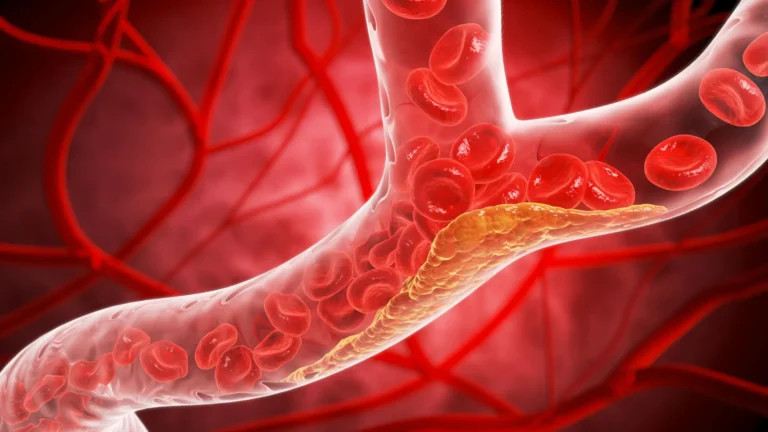
To understand the significance of the NTU findings, one must first understand the brain’s unique plumbing. The brain is an incredibly metabolically active organ, constantly producing byproducts of cellular activity, including beta-amyloid and tau proteins. In a healthy brain, these toxic substances are flushed out through a network of microscopic channels known as perivascular spaces. These spaces surround blood vessels and serve as the brain’s primary sanitation system.
When these channels function efficiently, the brain remains clear of protein buildup. However, as the research highlights, these pathways can become blocked or enlarged. When they do, they become visible on routine magnetic resonance imaging (MRI) scans. For years, these "enlarged perivascular spaces" (EPVS) were often dismissed as benign features of aging. The NTU team, however, has proven that these anomalies are intimately linked to the biochemical signature of Alzheimer’s disease.
Chronology and Scope: A Comprehensive Look at the Asian Population
The journey to this discovery was rooted in a commitment to addressing a glaring gap in global medical research. For decades, the vast majority of Alzheimer’s studies have relied on data from Caucasian populations. This narrow focus has long been a point of concern, as the genetic and environmental drivers of dementia vary significantly across ethnic groups.
A Diverse Cohort
The NTU study, conducted as part of the Lee Kong Chian School of Medicine’s (LKCMedicine) Bachelor of Medicine and Bachelor of Surgery programme, analyzed nearly 1,000 participants in Singapore. This cohort was deliberately constructed to reflect the nation’s multi-ethnic demographic, encompassing individuals with normal cognitive function as well as those experiencing early-stage cognitive impairment.
The Genetic Divergence
The necessity of this region-specific research was underscored by Associate Professor Nagaendran Kandiah, the study lead and Director of the Dementia Research Centre (Singapore). He pointed to the stark contrast in genetic risk factors: "Among Caucasians with dementia, past studies show that the prevalence of a major risk gene, apolipoprotein E4, is around 50 to 60 percent. But among Singapore dementia patients, it is less than 20 percent."
By focusing on a non-Caucasian demographic, the researchers were able to bypass the "Western-centric" bias of existing Alzheimer’s literature, confirming that while the biological mechanism of clogged drains is universal, the prevalence and impact of associated risk factors can be highly localized.
Supporting Data: The Convergence of Scans and Blood Markers
The study’s methodology was robust, integrating neuroimaging with biochemical analysis to create a multidimensional view of the aging brain. The research team compared the presence of enlarged perivascular spaces against seven established blood-based markers of Alzheimer’s, including elevated levels of beta-amyloid and tau.
The Link to Toxicity
The results were compelling: EPVS were strongly correlated with four of the seven biochemical indicators. This statistical link confirms that individuals with clogged brain drains are significantly more likely to possess the amyloid plaques and tau tangles that define Alzheimer’s pathology.
A Superior Predictor
Perhaps the most striking discovery was the comparison between EPVS and "white matter damage"—the injury to nerve fibers that is currently the gold standard in clinical imaging for dementia assessment. While white matter damage is a common indicator, the researchers found that among participants with mild cognitive impairment, the correlation between Alzheimer’s-related biochemicals and enlarged perivascular spaces was actually stronger than the connection to white matter damage.
This suggests that the "clogging" of the drainage system may occur earlier in the disease trajectory than the structural damage to white matter, effectively making EPVS an "early-bird" signal for clinical diagnostics.
Official Perspectives and Clinical Implications
The implications of this research for the medical community are profound, moving the conversation from "reactive care" to "proactive management."
Bridging the Gap in Clinical Practice
"The findings carry substantial clinical implications," said Associate Professor Kandiah. He noted that because these anomalies are already visible on routine MRI scans—the same scans doctors use to evaluate cognitive decline—they can be integrated into existing diagnostic workflows without the need for expensive, specialized tests.
Justin Ong, the study’s first author and a fifth-year medical student, emphasized the human impact of these findings. "Identifying Alzheimer’s sooner gives doctors more time to intervene and potentially slow the progression of symptoms such as memory loss, reduced thinking speed, and mood changes," Ong said. Early detection is the cornerstone of modern geriatric medicine, as it provides a window of opportunity to initiate lifestyle modifications or pharmacological treatments before the brain suffers irreversible damage.
Expert Validation
The study has received a positive reception from the broader medical community. Dr. Rachel Cheong Chin Yee, a Senior Consultant and Deputy Head at Khoo Teck Puat Hospital’s Department of Geriatric Medicine, highlighted the significance of the findings. "These findings are significant because they suggest that brain scans showing enlarged perivascular spaces could potentially help identify people at higher risk of Alzheimer’s disease, even before symptoms appear," she noted.
Dr. Chong Yao Feng, a Consultant at the National University Hospital’s Division of Neurology, lauded the study for challenging the traditional, siloed view of neurological diseases. "The study’s findings are intriguing as they demonstrate that both [cerebrovascular and Alzheimer’s] diseases do interact in a synergistic manner," Dr. Chong said. He cautioned that clinicians must now be more nuanced in their interpretation of MRIs, moving away from the assumption that cognitive decline is solely due to vascular issues if these specific drainage markers are present.
Future Directions: Predicting the Path to Dementia
While the current results are transformative, the researchers are not stopping here. The next phase of the research involves a longitudinal study, tracking the participants over several years to observe how many individuals with enlarged perivascular spaces eventually progress to full-blown Alzheimer’s dementia.
This follow-up data will be critical in establishing the predictive power of EPVS as a reliable clinical tool. If the findings remain consistent, it could lead to a paradigm shift in standard screening protocols. Imagine a scenario where a patient goes in for a routine check-up, and a standard MRI scan identifies a "clog" in the brain’s drainage system. This discovery could trigger immediate, preventative strategies, shifting the tide against a disease that has historically been diagnosed only when it is too late to treat effectively.
A Global Potential
While the study was conducted in Singapore, its impact is global. As the world’s population ages, the demand for early, non-invasive diagnostic tools for Alzheimer’s will only intensify. By identifying that the brain’s waste-removal system is an early casualty of neurodegeneration, the NTU team has provided a clear path forward for researchers worldwide.
The "clogged drain" theory offers a simple, elegant, and highly effective way to visualize the onset of Alzheimer’s, turning the once-opaque process of brain deterioration into something that can be seen, measured, and—hopefully—ultimately managed. The work of the NTU team marks a significant milestone in the long quest to outsmart Alzheimer’s, turning the tide from mystery toward actionable, life-changing clarity.