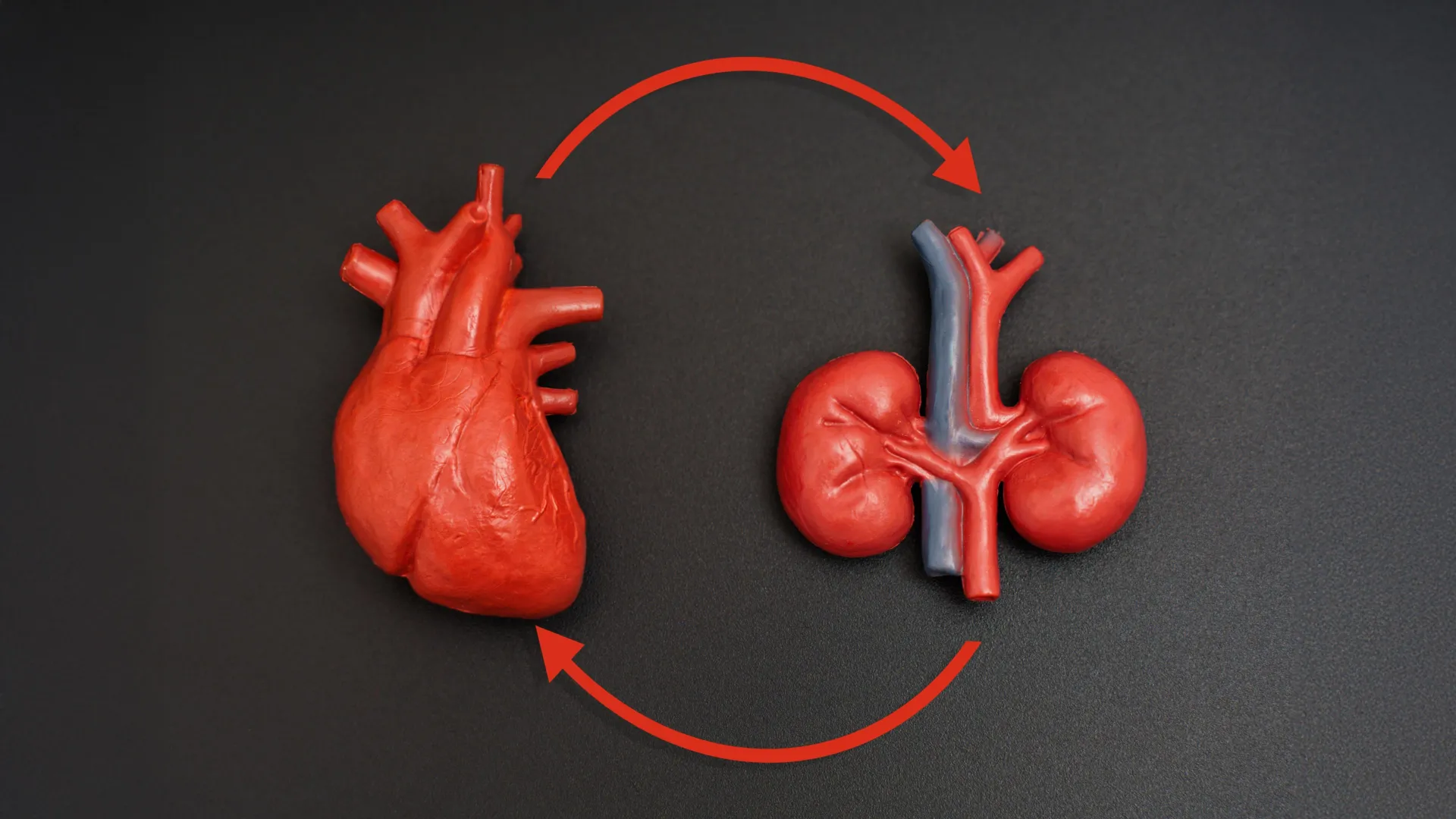
Despite affecting nearly 90% of the U.S. adult population, a new, critical health condition remains largely invisible to the public. Known as Cardiovascular-Kidney-Metabolic (CKM) syndrome, this recently defined clinical entity links the heart, kidneys, and metabolic systems into one interconnected health framework. While the prevalence of the condition is staggering, a new survey conducted by the American Heart Association (AHA) reveals a profound awareness gap, leaving millions of Americans potentially unaware of the interconnected risks they face.
Main Facts: Understanding the CKM Framework
CKM syndrome is not a single disease, but rather a spectrum of conditions that interact to drive disease progression. At its core, the syndrome recognizes that the heart, kidneys, and metabolic system (which regulates energy, blood sugar, and weight) do not function in isolation. When one of these systems falters, it exerts a "domino effect" on the others, creating a physiological feedback loop that exponentially increases the risk of severe cardiovascular events, including heart attack, stroke, and heart failure.
The risk factors associated with CKM syndrome are familiar to many, yet rarely discussed as a collective threat. They include:
- Hypertension (High Blood Pressure): The silent strain on arterial walls.
- Dyslipidemia: Abnormal cholesterol levels that lead to plaque buildup.
- Hyperglycemia: Elevated blood glucose levels associated with pre-diabetes and diabetes.
- Obesity: Excess weight that places chronic stress on metabolic pathways.
- Chronic Kidney Disease (CKD): Reduced filtration function that alters blood chemistry.
When these factors cluster—which they do in nearly nine out of ten American adults—the individual risk profile is significantly higher than the sum of its parts. The fundamental takeaway for patients and clinicians alike is that CKM syndrome is not just a diagnosis of individual ailments, but a reflection of systemic health.
The Chronology of a New Medical Paradigm
The recognition of CKM syndrome represents a shift in medical philosophy from "siloed" care to integrated, holistic treatment. Historically, medical specialties were strictly divided: cardiologists focused on the heart, nephrologists on the kidneys, and endocrinologists on metabolism. However, as longitudinal data began to show that patients rarely suffer from only one of these issues, the medical community moved toward a unified definition.
In the years leading up to 2025, the AHA began laying the groundwork for this paradigm shift, culminating in the formalization of the CKM Health Initiative. The survey conducted in August 2025 by The Harris Poll serves as the baseline for this initiative, intended to measure just how much the public understands about this holistic approach. With the AHA set to release its first-ever formal clinical guidelines on CKM syndrome in early 2026, the current period serves as a critical window for patient education and public awareness.
Supporting Data: The Awareness Gap
The Harris Poll survey, which queried over 4,000 U.S. adults, highlights a significant disconnect between the prevalence of the condition and the public’s perception of it.
- Low Familiarity: Despite the near-universal reach of CKM risk factors, the vast majority of respondents reported having never heard the term "CKM syndrome."
- High Engagement: Once the concept of the "CKM connection" was explained to participants, nearly three-quarters expressed that they understood its importance and voiced a strong desire to learn more.
- The Opportunity: This suggests that the barrier to better health outcomes is not a lack of concern, but a lack of nomenclature and systemic explanation. When patients understand that their weight, blood pressure, and kidney function are all pieces of a single health puzzle, they are more likely to seek coordinated care.
The survey methodology, conducted with a 95% confidence level and a margin of error of ± 2.0 percentage points, underscores the reliability of these findings. It provides a robust snapshot of a population that is largely unequipped with the vocabulary to discuss their most pressing health risks.
Official Responses: A Call for Coordinated Care
Eduardo Sanchez, M.D., FAHA, the American Heart Association’s chief medical officer for prevention, views the survey results as a roadmap for future healthcare delivery. "We want people to know that it’s really common to have heart, kidney, and metabolic risk factors at the same time," Dr. Sanchez stated. "It is reassuring that once the CKM connection was defined, nearly three-quarters of those responding understood that it was important and wanted to learn more."
For Dr. Sanchez, the goal is to dismantle the barriers between medical disciplines. "The heart, kidney, and metabolic systems are connected and, as such, should be treated in a coordinated way," he emphasized. "These results reveal the need to emphasize those connections and help patients understand the importance of collaborative care."
The AHA is currently facilitating this change through its CKM Health Initiative, which serves as a central hub for educational materials, video resources, and clinical tools designed to assist both patients and medical professionals in managing these complex, overlapping risks.
Implications for Patients and the Healthcare System
The implications of adopting a CKM-focused approach are profound. Because CKM syndrome is often preventable and, in many cases, reversible through lifestyle modifications and timely medical intervention, early identification is paramount.
The Power of Prevention
Patients who understand the interconnected nature of their health are better positioned to take action. This includes:
- Comprehensive Screening: Moving beyond a single-focus checkup to include regular monitoring of blood glucose, lipid panels, and kidney function tests (such as GFR/ACR).
- Lifestyle Synergy: Recognizing that dietary changes that benefit the heart—such as reducing sodium and saturated fats—simultaneously support metabolic health and reduce the workload on the kidneys.
- Unified Treatment Plans: Instead of managing three separate prescriptions for three separate issues, patients can advocate for a care plan that addresses the underlying metabolic and vascular drivers of their condition.
A New Standard for Professionals
For healthcare providers, the upcoming 2026 guidelines will likely necessitate a change in clinical workflow. Medical teams will be encouraged to adopt an interdisciplinary approach where cardiologists, nephrologists, and primary care physicians communicate more effectively to manage a patient’s total risk profile rather than focusing on a single high-readout lab result.
Looking Forward: The Future of CKM Health
The American Heart Association’s push toward public awareness is supported by a coalition of partners, including Novo Nordisk®, Boehringer Ingelheim, Novartis Pharmaceuticals Corporation, Bayer, and DaVita®. This cross-industry support underscores the severity and the scope of the challenge.
As we move toward 2026, the focus will shift from awareness to action. Educational tools, such as the AHA’s "2 truths" video, aim to demystify complex medical jargon by presenting health as a "full circle." By monitoring the five pillars of CKM health—blood pressure, cholesterol, weight, blood sugar, and kidney function—individuals can take control of their health trajectory.
The transition to a CKM-aware society will not happen overnight, but the data suggests that the American public is ready to learn. By defining the connection, the medical community is offering millions of people a clear path to reducing their risk of life-altering cardiovascular and renal events. As Dr. Sanchez noted, "CKM health is about your overall health. It’s a full circle."
For those looking to learn more or for healthcare professionals seeking to join the initiative, resources are currently available at heart.org/CKMtools. In an era where chronic conditions are the leading cause of morbidity, understanding the "CKM connection" may be the single most important step toward long-term wellness for the modern adult.