










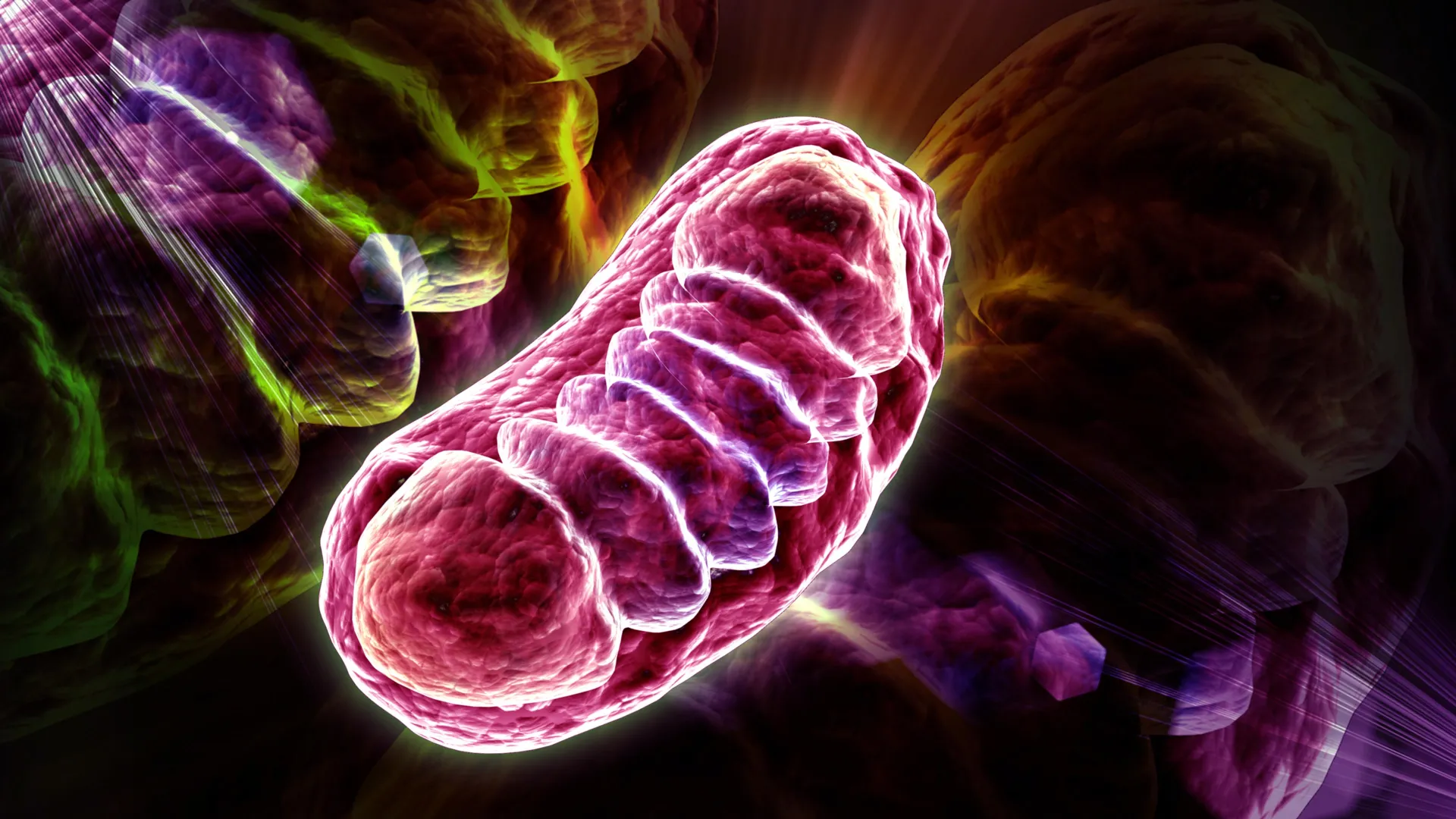
Mitochondria, the microscopic organelles famously dubbed the "power plants of the cell," are far more than passive furnaces burning fuel. They are dynamic, responsive engines that modulate their output based on the body’s fluctuating metabolic needs. For decades, biologists have understood that nutrient intake is intrinsically linked to mitochondrial performance, but the molecular signaling pathways—the "control panel" connecting nutrition to cellular output—have remained an elusive frontier in cell biology.
A groundbreaking study led by the University of Cologne, recently published in Nature Cell Biology, has finally shed light on this mechanism. Researchers have identified that the essential amino acid leucine acts as a metabolic switch, enhancing mitochondrial efficiency by safeguarding critical proteins. This discovery not only refines our understanding of basic cellular biology but also opens new vistas in the treatment of metabolic disorders and oncology.
Main Facts: The Leucine-Mitochondria Connection
The research, titled "Leucine inhibits degradation of outer mitochondrial membrane proteins to adapt mitochondrial respiration," centers on the role of leucine in protecting mitochondrial integrity. Leucine is an essential amino acid—meaning the human body cannot synthesize it internally and must acquire it through dietary sources such as lean meats, dairy, legumes, and nuts.
While leucine’s role in muscle protein synthesis is well-documented in sports science and nutrition, this study elevates its importance to the foundational level of cellular respiration. The team, led by Professor Dr. Thorsten Hoppe at the Institute for Genetics and the CECAD Cluster of Excellence on Aging Research, discovered that leucine acts as a molecular guardian.
Specifically, leucine prevents the degradation of proteins located on the outer mitochondrial membrane. These proteins function as gateways, regulating the transport of metabolites into the mitochondria. When these "gatekeeper" proteins are preserved, the mitochondria can operate at an optimized level, allowing the cell to generate energy with significantly higher efficiency during periods of nutrient abundance.
Chronology: Unveiling the Mechanism
The path to this discovery was characterized by a meticulous deconstruction of cellular quality control systems.
Phase 1: Identifying the Protein Quality Control System
The research team began by investigating how cells manage the turnover of mitochondrial proteins. They focused on the Endoplasmic Reticulum-Associated Degradation (ERAD) pathway, a critical component of cellular "quality control." They identified a protein known as SEL1L, which typically acts as an evaluator. In standard conditions, SEL1L identifies misfolded or redundant proteins and marks them for destruction.
Phase 2: The Discovery of Leucine’s Inhibitory Effect
The researchers observed that the presence of leucine fundamentally alters the behavior of SEL1L. When leucine levels are high, the amino acid suppresses the activity of SEL1L. By inhibiting this "destruction signal," leucine ensures that essential transport proteins on the mitochondrial surface remain intact rather than being dismantled.
Phase 3: Validation in Model Organisms
To verify the findings, the team utilized the nematode Caenorhabditis elegans. By manipulating leucine metabolism in the worms, they observed that disruptions in the breakdown of this amino acid led to immediate mitochondrial dysfunction. These models showed that the loss of this regulatory balance resulted in compromised metabolic health and, notably, reduced reproductive capacity, highlighting the vital role of this pathway in organismal development.
Phase 4: Expansion to Human Oncology
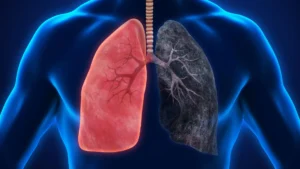
Recognizing the potential for human application, the researchers transitioned to human lung cancer cell lines. They discovered that specific mutations affecting leucine metabolism in cancer cells appeared to confer a survival advantage. By hijacking this protective mechanism, cancer cells may be "supercharging" their mitochondria to support rapid, unchecked growth.
Supporting Data: Understanding SEL1L and Cellular Homeostasis
The core of the discovery rests on the antagonistic relationship between leucine and SEL1L. To understand why this matters, one must look at the data surrounding protein turnover.
In a normal, homeostatic state, a cell must balance energy production with the need to clear out damaged components. If a cell fails to clear misfolded proteins, it faces proteotoxicity—a buildup of cellular "junk" that leads to disease. However, if the quality control system is too aggressive, it may degrade healthy proteins that are essential for high-energy states.
The data suggests that leucine acts as a strategic regulator. When the body consumes protein-rich meals, the sudden influx of leucine signals to the cell that energy resources are high. The cell responds by lowering the activity of the SEL1L protein, effectively telling the mitochondria, "Do not break down your transporters; we need to ramp up energy production now."
This "throttling" mechanism allows cells to exhibit phenotypic plasticity—the ability to adapt their metabolic rate to their environment. Without this specific nutrient-signaling pathway, the cell would be unable to scale its energy production, potentially leading to metabolic lethargy or an inability to respond to physiological stress.
Official Responses and Expert Perspective
The research team, led by Professor Dr. Thorsten Hoppe, emphasizes the delicate nature of these findings.
"We were thrilled to discover that a cell’s nutrient status, especially its leucine levels, directly impacts energy production," says Dr. Qiaochu Li, the study’s first author. "This mechanism enables cells to swiftly adapt to increased energy demands during periods of nutrient abundance."
However, the team is quick to issue a warning against oversimplification. "Modulating leucine and SEL1L levels could be a strategy to boost energy production," Dr. Li added, "but it is important to proceed with caution. SEL1L also plays a crucial role in preventing the accumulation of damaged proteins, which is essential for long-term cellular health."
The study acknowledges that the inhibition of protein degradation is a double-edged sword. While it boosts efficiency, a permanent suppression of the SEL1L system could eventually lead to the accumulation of toxic protein aggregates, potentially accelerating cellular aging or neurodegenerative processes. The "sweet spot" of metabolic regulation, therefore, remains a complex target for future therapeutics.
Implications: From Cancer Therapy to Metabolic Health
The implications of this research are vast, touching upon several distinct medical domains.
1. Oncology and Tumor Metabolism
Cancer cells are metabolic opportunists. Many tumors rely on "reprogrammed" metabolism to sustain their rapid division. The finding that cancer cells may exploit the leucine-SEL1L pathway to protect their mitochondrial integrity provides a new target for drug development. If scientists can design inhibitors that re-activate SEL1L specifically in cancer cells, they might be able to "starve" tumors of the energy required for survival and proliferation.
2. Metabolic Diseases
Conditions like Type 2 diabetes and obesity are often characterized by mitochondrial dysfunction. By understanding how nutrients like leucine interact with mitochondrial membrane proteins, clinicians may eventually develop nutritional or pharmacological interventions designed to restore "metabolic flexibility" in patients whose cells have lost the ability to respond to energy demands.
3. Aging Research
The CECAD Cluster of Excellence is world-renowned for its focus on aging. This discovery adds a vital piece to the puzzle of why metabolic performance declines as we age. As the body’s ability to sense and respond to nutrients becomes blunted, the mitochondria may struggle to maintain the efficient protein profiles required for cellular health. Future therapies could focus on "metabolic tuning," using targeted nutrients to keep the mitochondrial quality control system operating at peak performance throughout the human lifespan.
Conclusion: A New Paradigm for Nutrition
Ultimately, this research shifts the paradigm of how we view nutrition. We have moved past the era of seeing food merely as caloric "fuel." Nutrients are information. They are biochemical signals that dictate the internal architecture of our cells. By uncovering the leucine-SEL1L pathway, the University of Cologne team has provided a blueprint for how we might one day manage the very machinery of life, turning the tide on diseases once thought to be inevitable consequences of metabolic decay.
This research was supported by Germany’s Excellence Strategy through CECAD, several Collaborative Research Centres funded by the German Research Foundation (DFG), the European Research Council Advanced Grant "Cellular Strategies of Protein Quality Control-Degradation" (CellularPQCD), and the Alexander von Humboldt Foundation.