As the legal landscape for marijuana shifts rapidly across the United States and the globe, a pervasive narrative has taken hold: because it is a plant-based substance increasingly used for medicinal purposes, it is inherently safe. However, as public consumption patterns evolve, the medical community is sounding a note of caution. While the long-term, well-documented carcinogenic effects of tobacco have been studied for decades, the scientific community is only now beginning to peel back the layers on how chronic marijuana inhalation impacts cellular health and cancer risk.
According to Dr. Brooks Udelsman, a thoracic surgeon at Keck Medicine of USC, the perception of marijuana as a benign substance is outpacing the clinical evidence. As researchers strive to quantify these risks, a clearer—and more concerning—picture is emerging, particularly regarding heavy, chronic use.
The Emerging Evidence: What Studies Reveal
For years, the conversation regarding marijuana and cancer was largely speculative, hampered by historical research restrictions. Recent data from the Keck Medicine of USC, led by otolaryngologist Dr. Niels Kokot, has begun to bridge that gap.
Lung Cancer Correlations
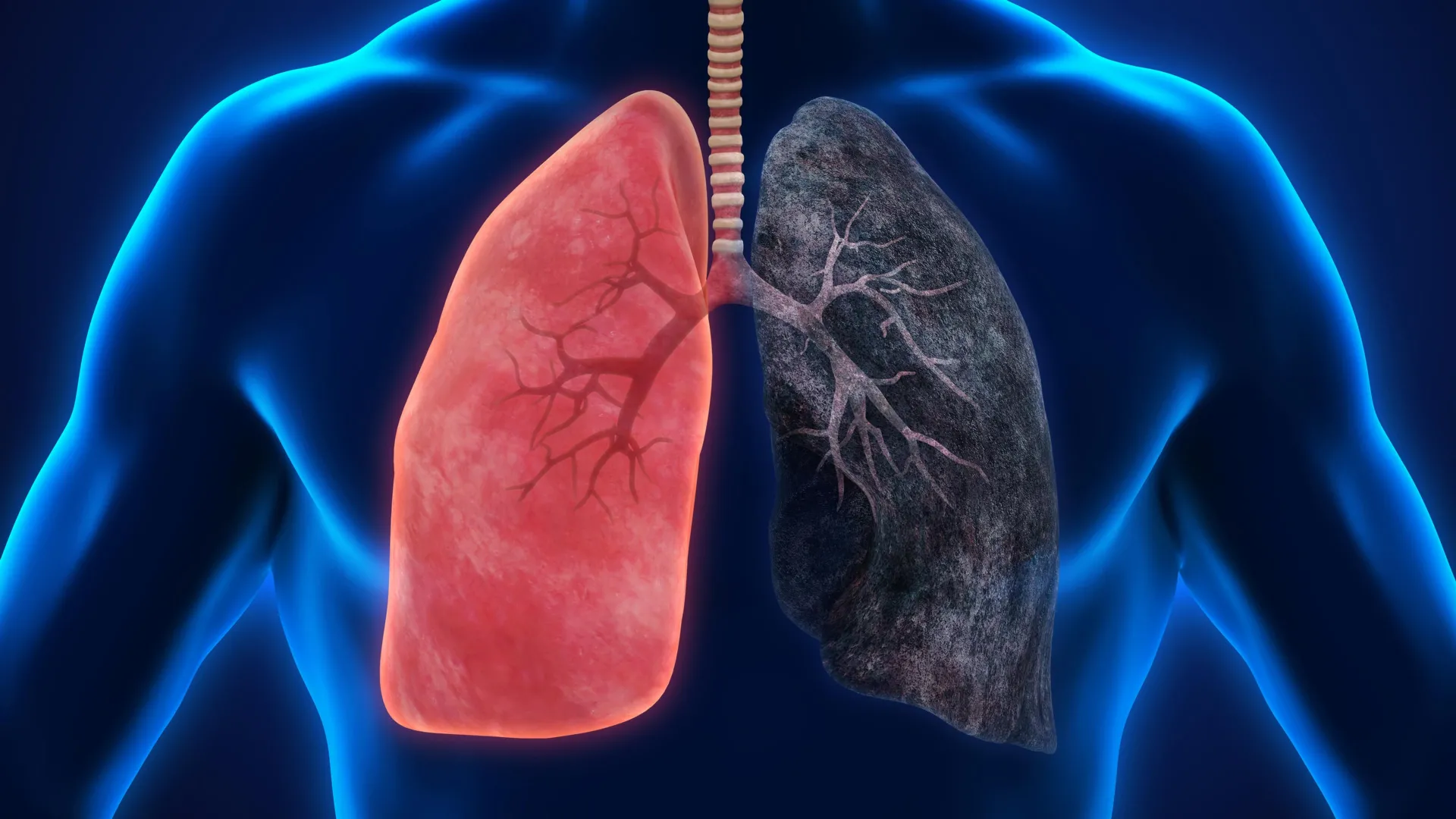
One of the most critical areas of study is the impact of marijuana smoke on the lungs. Dr. Kokot’s research suggests a significant correlation between heavy marijuana consumption and the development of both small cell and non-small cell lung cancer. Small cell lung cancer, a particularly aggressive form of the disease, has historically been linked almost exclusively to tobacco use. The fact that it is now appearing in the context of heavy marijuana use suggests that the mechanical and chemical insult of inhaling combustion products—regardless of the source—may share common pathways in triggering malignancy.
Head and Neck Cancers
The risk is not confined to the lungs. Dr. Kokot and his colleagues have reported that daily marijuana users face a 3.5 to 5-fold increase in the likelihood of developing head and neck cancers compared to non-users. This category includes cancers of the mouth, pharynx, larynx, oropharynx (encompassing the tongue and tonsils), and the salivary glands. The repetitive exposure of these tissues to hot, chemical-laden smoke is believed to be a primary driver of the cellular mutations leading to these diagnoses.
The Biology of Risk: Why Smoke Matters
To understand why marijuana smoke might be carcinogenic, one must look at the physiological process of inflammation. Dr. Udelsman emphasizes that chronic, long-lasting inflammation is a hallmark of cancer development. When the lungs are repeatedly exposed to irritants, the body’s repair mechanisms are constantly taxed, leading to the potential for DNA damage.
Chemical Commonalities
While marijuana and tobacco are distinct plants, the process of combustion is the common denominator. Tobacco smoke is known to contain over 7,000 chemicals, with at least 70 recognized carcinogens. Marijuana smoke, while chemically different in its active cannabinoids, also produces a complex mixture of particulates and toxins when burned.
The Role of THC and PAHs
Dr. Udelsman points to a critical biological pathway involving tetrahydrocannabinol (THC). Research indicates that THC may be associated with the conversion of polycyclic aromatic hydrocarbons (PAHs)—compounds produced during combustion—into forms that are particularly adept at damaging DNA. When these compounds infiltrate the cellular structures of the respiratory tract, they initiate an inflammatory response. Over time, this cumulative cellular trauma can lead to the "misreading" of genetic instructions, potentially initiating the growth of cancerous cells.
Chronology of Research and Changing Perspectives
The scientific journey toward understanding marijuana’s health impacts has been non-linear, dictated largely by shifting social and legal policies.
- The Early Years (1970s–1990s): Research was largely focused on the psychoactive properties of THC and the potential for addiction, with very few longitudinal studies focusing on respiratory oncology.
- The Transition (2000s–2015): As medical marijuana gained traction, early studies were often contradictory, with some suggesting potential anti-tumor properties of cannabinoids in laboratory settings, which led to widespread public confusion about the safety of smoking the plant.
- The Current Era (2016–Present): With legalization in numerous states, clinical data is finally catching up. Recent, more rigorous studies from institutions like Keck Medicine of USC are now isolating "heavy use" as a distinct variable, allowing researchers to separate the effects of casual, occasional use from the high-frequency exposure that characterizes dependency.
Edibles, Vaping, and the Search for Safer Alternatives
As the risks of combustion become clearer, many consumers are turning to alternative delivery systems. However, the data on these methods remains preliminary.
Are Edibles a Safer Alternative?
Current evidence offers a tentative "yes" regarding lung cancer, though not necessarily for other types of cancer. Dr. Udelsman notes that because edibles do not involve the inhalation of smoke or particulates, they likely do not contribute to lung cancer risk. However, he cautions that we lack sufficient data to determine if systemic exposure to cannabinoids through digestion carries other oncogenic risks, particularly for gastrointestinal or liver health.
The Vaping Conundrum
Vaping is often marketed as a "cleaner" experience, but medical experts are increasingly skeptical. While vaping avoids the direct combustion of plant matter, it introduces other risks. The 15-year history of widespread vaping is not long enough to definitively rule out cancer, but it has already been linked to severe, non-cancerous inflammatory lung diseases. "I’d worry about anything you’re breathing into your lungs," says Dr. Udelsman, noting that the aerosolized chemicals infiltrate deep into the air sacs, causing damage that could theoretically set the stage for future malignancy.
Implications: Defining "Too Much"
One of the most frequent questions patients ask is: Where is the threshold?
The medical community currently lacks a precise "dose-response" curve. It is unknown if an occasional smoker (once a week or a few times a year) incurs the same risk as a daily, heavy user. Dr. Udelsman’s clinical suspicion is that the risk for occasional use is likely minimal, as the body possesses robust mechanisms to recover from temporary, minor inflammation.
The primary concern, however, is chronic, heavy exposure. The individuals at the highest risk appear to be those who have developed a dependency, requiring the substance multiple times daily. This group mimics the usage patterns of heavy tobacco smokers, and current data suggests they are moving into a high-risk category for pulmonary and upper-respiratory cancers.
Secondhand Exposure: An Overlooked Danger
While much of the focus remains on the user, the risk of secondhand marijuana smoke is an emerging public health question. Though there is not yet enough longitudinal evidence to confirm a direct link between passive marijuana smoke and lung cancer, the medical consensus leans toward caution. If the inflammatory particles in the smoke are what trigger DNA damage, then anyone within the immediate vicinity of the smoke is theoretically inhaling those same harmful substances.
Conclusion: A Call for Informed Consultation
The message from the medical community is not one of prohibition, but of transparency and informed consent. As marijuana use becomes normalized, the risk of ignoring potential health consequences grows.
If you are a frequent user, the most important step is an open, honest conversation with your healthcare provider. Physicians can evaluate your individual usage patterns, assess your personal and family history, and determine if you would benefit from increased screening or proactive monitoring.
Science is a slow, methodical process. While we do not yet have the decades of epidemiological data that we have for tobacco, the current findings are a significant red flag. By acknowledging that marijuana smoke is not harmless, we can better equip ourselves to manage the risks and advocate for more comprehensive, long-term studies that will eventually provide the definitive answers society needs to make informed decisions about their health.