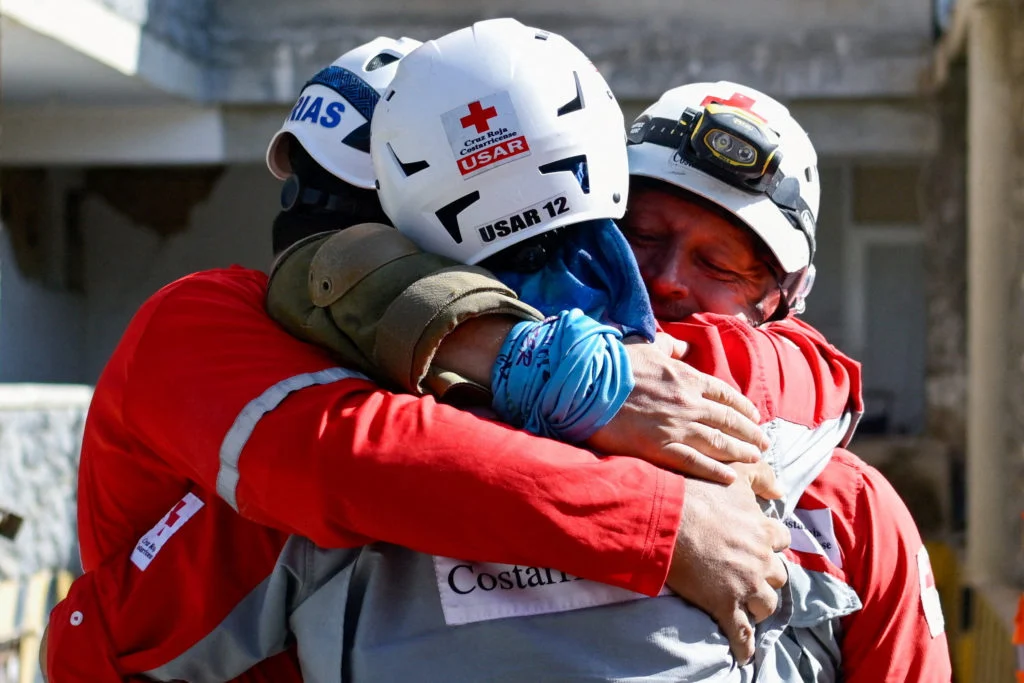
CARACAS, Venezuela — The dual seismic shocks that struck Venezuela on June 24 have transformed a pre-existing national emergency into an unfolding humanitarian catastrophe of historic proportions. With at least 2,295 confirmed dead and over 11,000 injured, the nation’s fragile healthcare infrastructure—already hollowed out by years of economic collapse—is now struggling to contain a secondary crisis characterized by surging infection rates, a total absence of critical supplies, and the desperate plight of thousands of displaced citizens.
As the dust settles, international observers and local medical professionals warn that the death toll is likely to climb as the lack of sanitation and the degradation of basic services create a breeding ground for infectious disease.
The Anatomy of a Medical Crisis
The immediate aftermath of the June 24 earthquakes has exposed the skeletal remains of Venezuela’s healthcare system. In the capital, Caracas, and across the hardest-hit regions, hospitals are operating at a fraction of their capacity.
"We are currently witnessing a convergence of crises," says Dr. Eugenio Cova, head of the trauma unit at Hospital del Oeste Dr. José Gregorio Hernández. "Initially, we were managing complex physical trauma from structural collapses. Now, those same patients are returning with severe, systemic infections. We lack the basic medicated gauze, sterile environments, and surgical hardware—such as plates and screws—to treat them. We are effectively performing field surgery in a hospital building that is itself structurally compromised."
The sanitary situation in makeshift shelters is equally dire. With thousands of displaced Venezuelans living in high-density, outdoor environments without access to clean water or functional sewage systems, aid workers warn that the risk of vector-borne and waterborne diseases is no longer a possibility, but an inevitability.
Veronique Durroux, spokesperson for the U.N. humanitarian agency for Latin America and the Caribbean, expressed deep concern over the logistical paralysis. "The combination of extreme heat, lack of waste management, and the sheer volume of debris creates a perfect storm," Durroux noted. "When you consider the scale of the destruction, the risk to public health in the coming weeks is catastrophic."
Chronology of the Disaster and Rescue Efforts
The events of June 24 marked a dark turning point for a nation already struggling with political instability and economic decline.
- June 24: Twin earthquakes strike, causing widespread structural failure across major urban centers. Initial reports confirm thousands of casualties.
- June 25-27: The chaotic immediate response begins. Local communities take the lead in rescue operations, often using manual labor to dig through concrete as professional equipment remains scarce.
- June 28-July 1: International aid teams, including units from Israel and Ecuador, arrive to bolster rescue efforts. Rescuers experience rare moments of hope, including the miraculous extraction of a toddler trapped for six days and a security guard pulled from basement rubble after eight days.
- July 2: U.S. Southern Command reports 900 military personnel on the ground, focusing on repairing critical aviation infrastructure to facilitate the influx of international aid.
- Present Day: The focus shifts from search-and-rescue to the stabilization of the medical system, as hospitals warn they are reaching a breaking point.
Supporting Data: A System Hollowed Out
The current crisis is exacerbated by a decade-long "brain drain" of medical talent. Since 2013, the exodus of Venezuelans—totaling 7.7 million people—has stripped the nation of its most vital resource: human capital.
According to data from the Venezuelan Medical Association, approximately one-third of the country’s 60,000 registered physicians have emigrated. Dr. Huníades Urbina, a board member of the pediatrics association, estimates that the country currently has only half the number of doctors required to meet World Health Organization standards.
The infrastructure, too, was failing long before the ground shook. A 2025 national survey of public hospitals revealed staggering deficits:
- 30% shortage of basic emergency supplies.
- 70% shortage of essential materials in operating rooms.
- Widespread laboratory closures: Most diagnostic facilities are non-functional, limiting medical staff to rudimentary, life-saving procedures only.
The government reports that 38 hospitals nationwide sustained significant structural damage, further reducing the availability of care for both earthquake survivors and the thousands of citizens who have had their chronic conditions—such as diabetes, hypertension, and asthma—go unmanaged for over a week.
Official Responses and Geopolitical Tensions
The disaster has brought the precarious political situation in Venezuela into sharp relief. Acting President Delcy Rodríguez, who assumed leadership with U.S. backing following the ousting of Nicolás Maduro, has faced intense scrutiny regarding the efficacy and transparency of the relief operations.
Allegations of Misconduct
Social media platforms have been flooded with unverified but widespread reports of security personnel looting the wreckage of fallen buildings. Videos purportedly showing officials stealing U.S. dollars and household appliances have fueled public anger. In a move to quell the outcry, the Interior Ministry announced the dismissal and detention of four police officers accused of exploiting the tragedy for personal gain.
International Intervention
The United States has pledged $300 million in humanitarian aid, distributed through international NGOs and the United Nations. However, satellite analysis from the U.N. Development Program estimates the total material damage at $6.7 billion, highlighting a massive funding gap that threatens long-term recovery.
General Francis Donovan of U.S. Southern Command defended the current government’s struggle, citing "decades of systemic neglect" as the primary obstacle to a cohesive response. "It is a massive challenge for any leader to navigate a crisis of this magnitude," Donovan stated, while acknowledging that the U.S. remains committed to stabilizing the region through naval and logistical support.
Implications: A Future in Limbo
The most haunting aspect of the disaster is the sheer number of missing persons. A digital NGO database indicates over 40,600 people remain unaccounted for. For families, this creates a state of agonizing, indefinite limbo, as search operations transition into recovery efforts.
The implications for Venezuela’s future are profound. The earthquake has not only destroyed physical infrastructure but has arguably shattered the final vestiges of public trust in the state’s ability to protect its citizens. As hospitals turn to social media to crowdfund for bandages and surgeons operate in damaged rooms, the line between government failure and civil society’s survival instinct has become blurred.
Experts warn that if the medical crisis is not brought under control within the next fortnight, the secondary death toll—from sepsis, untreated chronic illness, and epidemic outbreaks—could eventually surpass the number of lives lost during the seismic event itself. For a nation already weary of struggle, the coming weeks represent perhaps the most daunting challenge in its modern history.