Executive Summary: A Paradigm Shift in Sleep Diagnostics
On May 20, the landscape of sleep medicine underwent a significant transformation as Advanced Brain Monitoring (ABM), a Carlsbad, California-based leader in neuro-focused sleep technology, was acquired by the investment syndicate Cadence Health Capital. This acquisition marks a pivotal turning point for a company long heralded by the scientific community for its rigorous research-heavy approach to EEG-based home sleep testing (HST).
For years, ABM has operated as a "hidden gem"—a technical powerhouse with an unmatched library of clinical data and FDA clearances, yet one that historically lacked the operational scale to permeate the mass market. With a new leadership team now at the helm, the company is poised to transition from a boutique, research-driven firm into a scalable, clinically integrated leader in sleep and neurological diagnostics. By streamlining operations and simplifying the user experience for clinicians, the new ownership intends to broaden the clinical reach of ABM’s validated technologies, targeting not just sleep apnea and insomnia, but the growing frontier of neurodegenerative disease detection.
Chronology of the Transition
The acquisition process was finalized in late May, bringing a rapid infusion of new executive talent with diverse backgrounds in healthcare finance, geriatric medicine, and commercial scaling.
- Pre-Acquisition Era: Founders Dan Levendowski and Chris Berka spent over a decade establishing ABM as a gold-standard provider for research and clinical trials, securing a deep portfolio of FDA clearances and NIH-funded research projects.
- May 20, 2024: The acquisition by Cadence Health Capital is finalized. The deal structure, notably led by a syndicate of individual and institutional investors rather than a traditional, rigid private equity firm, allows for a more flexible, long-term growth strategy.
- Immediate Post-Acquisition: The transition of leadership occurred simultaneously. Nikita Sunilkumar, MBA, MS, was appointed CEO; Nadia Tarazi, MBA, MA, CPCC, stepped in as chief commercial officer; and Rania Missoumi, MBA, MPH, assumed the role of chief financial officer.
- The Future Roadmap: The current phase focuses on "removing friction" for existing clinicians, with plans to consolidate the product suite and expand the market presence of the "Night Shift" positional therapy device in the coming 12 to 24 months.
Supporting Data and the "Inventor Mindset"
The value proposition behind ABM’s acquisition lies in the sheer difficulty of replicating its scientific foundation. In an industry currently saturated with "me-too" home sleep testing startups, ABM stands apart due to its historical commitment to rigorous, evidence-based development.
The Barrier to Entry
New market entrants often face years of regulatory hurdles and the immense financial burden of conducting clinical trials to prove device efficacy. ABM has already navigated these waters. As CEO Nikita Sunilkumar noted, “If you wanted to start today, the amount of effort, time, and cost it would take to replicate the amount of science that’s been done—the validation of the actual product with real patients and real nights—it’s an enormous task.”
Clinical Depth vs. Reimbursement Codes
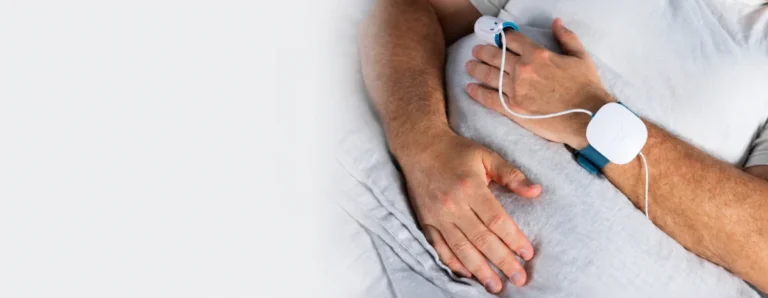
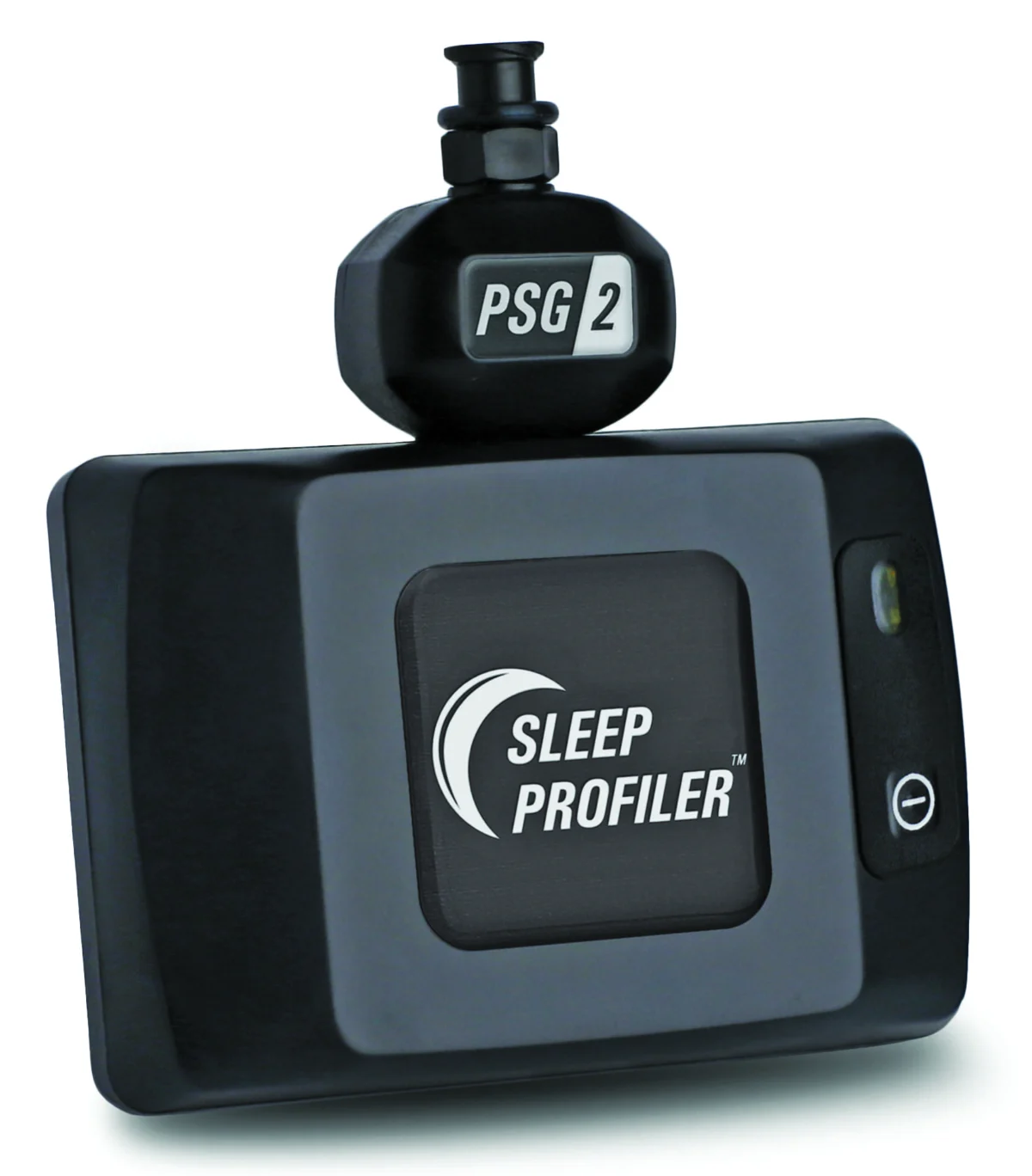
While many competitors build devices specifically to satisfy the minimum requirements of CPT reimbursement codes, ABM’s "Sleep Profiler" was designed to capture granular neurological data—including REM sleep cycles, slow-wave sleep, and specific biomarkers—that hold deep value for neurologists. This research-first philosophy, fostered by founders Levendowski and Berka, has resulted in a product that serves as both a diagnostic tool and a research instrument. The company’s continued involvement of its founders ensures that this core scientific integrity remains the "secret sauce" of the brand.
Official Responses: A Vision for the Future
The new leadership team has been vocal about their mission: to take the high-level science developed by ABM and make it accessible to a broader clinical audience.
The "Netflix" Moment
Chief Commercial Officer Nadia Tarazi describes the current state of ABM as a massive, untapped opportunity. Drawing a parallel to the digital disruption of the entertainment industry, she noted, "When I learned about the Sleep Profiler and really understood what it was capable of doing compared to a lab, it felt like when Blockbuster missed the chance to be Netflix." The goal is to modernize the user experience so that the data, which is already superior to many competitors, becomes the standard-bearer for sleep-related neurological insights.
Operational Streamlining
A primary goal for the near term is the consolidation of the product portfolio. Historically, the company marketed the Sleep Profiler in three distinct versions: the standard Sleep Profiler, the Sleep Profiler PSG, and the Sleep Profiler NDD (Neurodegenerative Disease). Under the new regime, these are being integrated into a single, modular hardware platform. This simplifies the supply chain, reduces inventory complexity, and allows the device to be configured for different clinical environments—from home use to specialized geriatric care—without the need for separate hardware deployments.
Implications: The Neurology Frontier and Beyond
The acquisition of ABM by Cadence Health Capital signals a shift toward the "Neurology Frontier." As the medical community increasingly identifies sleep as a vital pillar of brain health, the ability to monitor sleep biomarkers is becoming essential for the early detection of neurodegenerative conditions like Alzheimer’s and Parkinson’s.
Bridging the Gap to Neurology
The biggest challenge for ABM is the workflow gap. Sleep medicine clinicians are accustomed to the complexities of sleep data, but general neurologists are not. To address this, ABM is investing in software that translates complex, raw EEG data into actionable, easy-to-read clinical reports. By lowering the cognitive load for the physician, ABM hopes to make sleep monitoring a standard part of every geriatric and neurological examination.
The "Night Shift" Opportunity
The acquisition also brings renewed energy to the company’s "Night Shift" positional therapy device. While the device has enjoyed strong traction in European markets, its potential in the United States remains largely untapped. The new leadership team plans to leverage strategic partnerships to drive wider adoption of this therapy, providing an alternative for patients who cannot tolerate traditional CPAP therapy for obstructive sleep apnea.
Flexibility as a Competitive Advantage
Unlike traditional private equity acquisitions, which often demand immediate, aggressive cost-cutting to yield short-term returns, the syndicate model utilized by Cadence Health Capital provides a "flexible investment model." This allows the leadership team to prioritize sustainable growth and technological refinement. By maintaining the founders’ vision while injecting commercial expertise, the company is positioning itself to be a long-term player in the digital health sector.
Conclusion: A New Engine for Clinical Reality
The "little engine that could" is now positioned to become a titan in the sleep and neurological health space. As ABM moves into this new chapter, the messaging to the medical community is clear: they are not interested in reinventing the wheel. Instead, they are committed to leveraging the existing, validated science of their founders and wrapping it in a modern, user-friendly, and commercially robust infrastructure.
For clinicians who have long relied on ABM’s data, this transition promises a future where that technology is easier to deploy, more versatile in its applications, and better supported by a growing commercial team. As the company scales, it is likely to change the way primary care and neurology practices approach the intersection of sleep health and neurodegeneration, finally bringing the "hidden gem" of sleep science to the mainstream clinical stage.
The combination of proven scientific pedigree and a forward-looking, flexible management team ensures that Advanced Brain Monitoring is not just surviving its transition, but is primed to lead the next generation of sleep medicine. With the founders’ research-focused "inventor mindset" intact and the new leadership’s focus on "removing friction," the company is well-equipped to turn its extensive library of data into a cornerstone of proactive patient care.