









As legalization sweeps across the globe and cultural perceptions of marijuana shift toward viewing it as a benign recreational substance, a critical public health question remains unanswered: Is it truly safe? While public discourse often focuses on the palliative benefits or the legal ramifications of cannabis, the medical community is increasingly concerned about the long-term oncological implications of its use.
For decades, the correlation between tobacco smoking and lung cancer has been firmly established as a cornerstone of preventive medicine. However, the picture regarding marijuana is far more complex. Experts, including Dr. Brooks Udelsman, a thoracic surgeon with USC Surgery at Keck Medicine of USC, warn that as usage rates climb, the scientific community is racing to understand the specific biological mechanisms by which marijuana smoke may alter cancer risk.
The Main Facts: What Current Research Tells Us
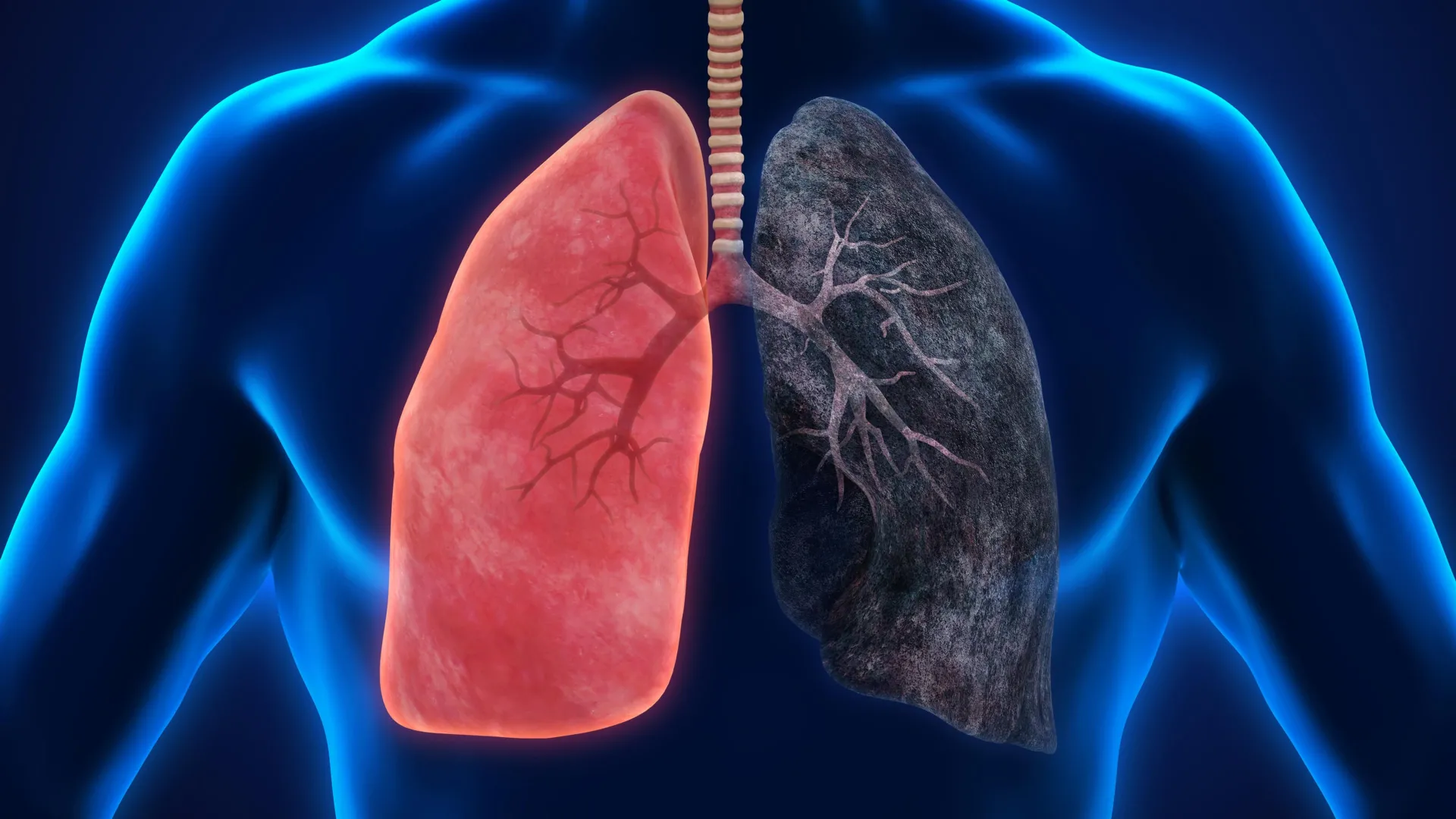
The core of the medical concern lies in the act of inhalation. While many users conflate the legalization of a substance with its safety, researchers at Keck Medicine of USC are finding evidence that suggests chronic, heavy consumption of marijuana carries significant risks.
Recent studies led by Dr. Niels Kokot, an otolaryngologist at the USC Caruso Department of Otolaryngology—Head and Neck Surgery, have provided sobering data. His research indicates that individuals who consume large amounts of marijuana exhibit a statistically significant increase in the risk of both small cell and non-small cell lung cancer.
Furthermore, the risk extends beyond the lungs. Dr. Kokot’s team reported that daily marijuana users are 3.5 to 5 times more likely to develop head and neck cancers than those who do not use the substance. These malignancies frequently manifest in the mouth, pharynx, larynx, oropharynx (including the tongue, tonsils, and the back wall of the throat), and the nearby salivary glands.
Chronological Evolution of the Evidence
The scientific investigation into marijuana’s health effects has evolved significantly over the last two decades. Initially, the research landscape was dominated by studies on the acute effects of THC and the potential for addiction. It was only as marijuana became more accessible and usage frequency increased that the medical community began to track longitudinal data concerning cancer.
- The Early Years (2000–2010): Research was largely limited to anecdotal reports or small-scale studies. The focus was primarily on respiratory issues like bronchitis, with little longitudinal data to link cannabis to oncogenesis.
- The Era of Legalization (2010–2020): As state-level legalization gained momentum, researchers began to aggregate data from larger cohorts. This period saw the first robust warnings regarding the presence of carcinogens in cannabis smoke that mirror those found in tobacco.
- Current Landscape (2020–Present): We are currently in a phase of data maturation. Studies are now looking at specific types of cancer (lung, head, neck, and potentially bladder or GI cancers) with more granular data on the frequency and intensity of use.
Supporting Data: The Biological Mechanisms of Risk
Why does a plant-based substance pose a cancer risk similar to tobacco? The answer lies in the chemistry of combustion and cellular inflammation.
The Inflammation-Cancer Connection
According to Dr. Udelsman, any substance that induces long-lasting inflammation in the body creates an environment conducive to cancer development. Tobacco smoke is well-known for containing over 7,000 chemicals, with at least 70 recognized as carcinogens. Crucially, many of these same combustion byproducts are present in marijuana smoke.
The Role of THC and PAHs
Tetrahydrocannabinol (THC), the primary psychoactive component of cannabis, is associated with the conversion of polycyclic aromatic hydrocarbons (PAHs). These compounds are notorious for their ability to trigger chronic inflammation and, more dangerously, cause direct DNA damage. When the body’s cellular repair mechanisms are overwhelmed by persistent damage—a process accelerated by chronic exposure—the risk of malignant cell mutation increases exponentially.
Lung Cancer Classifications
The link to lung cancer is particularly concerning because of the severity of the diseases involved. Small cell lung cancer, which has a strong historical connection to tobacco, is almost exclusively associated with inhalational injury. Dr. Udelsman notes that seeing this condition in patients without a heavy smoking history is rare, making the emerging link to heavy marijuana use a major point of clinical focus. Non-small cell lung cancer, the most common form of lung cancer, also shows higher incidence rates among heavy marijuana smokers compared to the non-smoking population.
Official Responses and Clinical Perspectives
The medical community is cautious, emphasizing that while the data is concerning, it is not yet definitive for all levels of consumption.
The Dosage Dilemma
One of the most frequent questions from patients is: "How much is too much?" Currently, there is a "dosage gap" in the research. Dr. Udelsman notes, "What we don’t know right now is the dose relationship."
While occasional use—once a week or a few times a year—may result in minimal, transient inflammation from which the body can recover, the risk profile shifts for chronic users. The medical consensus currently focuses on those who develop a clinical dependency or require medical evaluation due to their consumption levels. These are the individuals who appear to be at the highest risk.
Vaping and Edibles: The Modern Consumption Debate
The rise of alternative delivery methods has created a false sense of security.
- Edibles: Current evidence suggests that ingesting marijuana via edibles is unlikely to increase lung cancer risk, simply because the smoke bypasses the lungs. However, researchers are quick to note that we do not yet have sufficient data to rule out risks for other cancers, such as gastrointestinal or liver cancers.
- Vaping: While many believed vaping would be a "safer" alternative, the reality has been more complex. Vaping has been linked to severe inflammatory lung diseases, even if the long-term cancer risk remains unknown due to the relative youth of the technology (roughly 15 years of common usage). Dr. Udelsman cautions against the assumption of safety: "I’d worry about anything you’re breathing into your lungs because it infiltrates the cells and air sacs."
Secondhand Risks
Though data is currently insufficient to confirm a direct link between secondhand marijuana smoke and cancer, the clinical intuition is one of caution. Inhaling inflammatory particles remains a potential pathway for cellular damage, mirroring the established dangers of secondhand tobacco smoke.
Implications for Public Health and Individual Care
The implications of these findings are profound. We are not yet facing a "marijuana-induced lung cancer epidemic," but the trends are cautionary.
Clinical Guidance
For individuals who use marijuana heavily, the recommendation is clear: have an honest, transparent conversation with a healthcare provider. A doctor can evaluate personal risk factors—such as family history, age, and duration of use—and determine if specific screenings (such as low-dose CT scans) are necessary.
Public Policy and Education
As societal norms shift, public health messaging must evolve. Legalization should not be interpreted as a health endorsement. Educational campaigns must distinguish between the varying levels of risk associated with different consumption methods and, more importantly, highlight the dangers of chronic, high-frequency inhalation.
The Future of Research
The path forward requires longitudinal studies that track marijuana users over decades. Scientists are already beginning to explore potential links to bladder and gastrointestinal cancers, areas where the long-term impact of chronic inflammation is still being mapped.
In conclusion, while marijuana continues to gain legal ground, the biological evidence regarding its long-term health impacts is in a state of rapid development. The medical community’s message is one of measured vigilance: recognize that the inhalation of combusted material carries an inherent risk of DNA damage and inflammation. For the heavy user, the current data suggests that the risks to lung, head, and neck health are far more substantial than many currently assume. As with any substance, understanding the mechanism of risk is the first step toward informed health decisions.