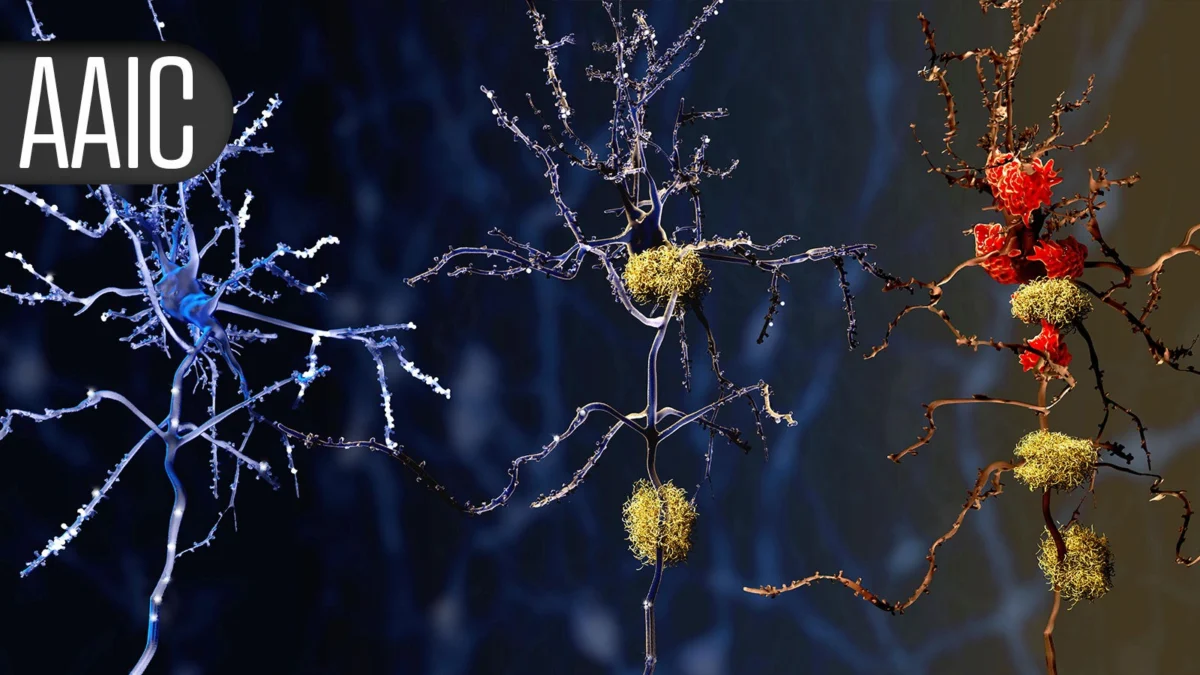
For decades, the medical community has recognized metabolic syndrome as a precursor to systemic catastrophe—a ticking time bomb for heart disease, type 2 diabetes, and stroke. However, recent evidence suggests that this cluster of physiological dysfunction may be inflicting a more insidious, invisible damage: the premature aging of the human brain.
According to a major study published in the journal Alzheimer’s & Dementia and presented at the Alzheimer’s Association International Conference (AAIC), individuals grappling with metabolic syndrome exhibit brains that appear significantly older than their chronological age. This "brain age gap"—the delta between an MRI-estimated brain age and a patient’s actual birthday—serves as a predictive biomarker for cognitive decline, suggesting that our metabolic health may be the most critical lever we have in preserving neurological longevity.
The Core Findings: A Dose-Dependent Decline
The research, led by Abigail Dove, PhD, of the Karolinska Institute in Stockholm, utilized the massive U.K. Biobank cohort to map the intersection of metabolic dysfunction and neurobiology. By analyzing data from 27,375 participants between the ages of 40 and 70, the team established a clear, dose-dependent relationship between the number of metabolic risk factors present and the extent of "brain aging."
Metabolic syndrome is clinically defined by the presence of at least three of five specific risk factors: hypertension (high blood pressure), hyperglycemia (high blood sugar), central adiposity (excess abdominal fat), low HDL cholesterol, and elevated triglycerides.
The study’s findings were stark:
- The "Gap" Effect: Participants with metabolic syndrome demonstrated a significantly higher brain age gap compared to their healthy counterparts.
- The Cumulative Toll: The effect was not binary; it was cumulative. Individuals with three components of the syndrome possessed brains that appeared roughly one year older than their chronological age. This accelerated aging jumped to 1.7 years for those with four components and reached a staggering 2.3 years for those presenting with all five.
"The relationship between metabolic syndrome and older brain age was dose-dependent," Dr. Dove explained. This suggests that every additional metabolic stressor acts as an accelerator, compounding the structural and functional wear and tear on the brain’s complex architecture.
Methodology: Decoding the Biological Clock
To quantify "brain age," researchers employed sophisticated machine learning models. Rather than relying on simple volume measurements, the algorithm integrated 1,079 distinct phenotypes derived from high-resolution MRI data.
The model assessed a comprehensive suite of neurological markers, including:
- Regional brain volumes: Identifying areas of atrophy.
- White matter hyperintensities: Small lesions often associated with vascular damage.
- Microbleeds: Evidence of tiny hemorrhages.
- Microstructural integrity: The "wiring" quality of the brain’s white matter.
- Functional connectivity: How effectively different regions of the brain communicate during both rest and active tasks.
By synthesizing these data points, the AI was able to generate a "predicted brain age" for each participant, which was then compared against their actual age. The result provided a standardized metric for neurological health that goes beyond traditional cognitive testing, offering a window into the structural state of the organ itself.
Chronology and Scope: The U.K. Biobank Data
The study drew from the U.K. Biobank, a gold-standard repository of longitudinal health data. The participants had an average age of 54.9 at the baseline assessment, with brain MRIs conducted approximately nine years later.
At the start of the study, 28.5% of the participants already met the criteria for metabolic syndrome. The prevalence of individual components was telling:
- Hypertension (66.8%): The most common factor, underscoring the ubiquity of cardiovascular strain.
- Low HDL Cholesterol (36.5%)
- Elevated Triglycerides (35.9%)
- Central Adiposity (24.7%)
- Hyperglycemia (14.0%)
While the study offers a powerful snapshot of the population, the researchers acknowledged the cohort’s limitations. The U.K. Biobank population tends to be healthier, more socioeconomically advantaged, and less diverse than the general population. Furthermore, the participants who provided both neuroimaging and metabolite data were, on average, even more metabolically healthy and educated than the wider Biobank sample. This suggests that if the study were replicated in a more diverse or socioeconomically disadvantaged population, the "brain age gap" could potentially be even more pronounced.
Unmasking the Pathways: The Role of Plasma Metabolites
Perhaps the most groundbreaking aspect of the study was the attempt to identify the "how"—the biological mechanisms linking a metabolic waistline or blood pressure reading to the physical architecture of the brain.
Using baseline blood samples, the researchers analyzed 33 plasma metabolites. Eight of these were found to significantly mediate the association between metabolic syndrome and the brain age gap. These findings offer a glimpse into the systemic pathways of neurodegeneration:
- Fatty Acids: Variations in omega-6 and polyunsaturated fats were strongly linked to the brain’s structural health.
- Systemic Inflammation: Glycated acetyls, a marker of chronic, low-grade systemic inflammation, appeared to act as a bridge between metabolic stress and brain aging.
- Atherosclerosis Markers: Levels of apolipoproteins ApoB and ApoA1—key players in the buildup of arterial plaque—were directly correlated with the observed brain age acceleration.
"This might give us some hints at the pathway linking metabolic syndrome to brain aging," Dr. Dove noted. By mapping these metabolites, the study suggests that the brain is not an isolated organ but is intimately tethered to the chemical environment of the blood.
Clinical Implications: A Modifiable Target
For clinicians and patients alike, the most significant takeaway is the concept of "modifiability." Unlike genetics or the inevitable passage of time, the five components of metabolic syndrome are highly responsive to lifestyle interventions.
"Our findings have an empowering message," Dr. Dove emphasized. "The more of these [risk factors] that can be brought under control, the better for brain health."
The implications for public health are profound. With more than one in three Americans currently living with metabolic syndrome, the potential to slow the population-wide trajectory toward dementia and cognitive impairment is immense. If metabolic control can effectively "de-age" the brain, then diet, exercise, and pharmacological management of blood pressure and lipids are not just heart-health strategies—they are frontline neuroprotective therapies.
Limitations and Future Directions
While the study provides a robust correlation, the researchers were careful to note its constraints. Because the brain MRI data was only available at a single time point, the study cannot definitively prove a longitudinal causal path—that is, it cannot show how the brain changes in real-time as metabolic health fluctuates.
Future research will need to track participants over multiple decades, capturing longitudinal MRI scans to observe whether reversing metabolic syndrome can "shrink" the brain age gap. Additionally, the lack of diversity in the current cohort highlights a need for future studies to examine how these metabolic-neurological interactions differ across varying ethnic, racial, and socioeconomic backgrounds.
The Path Forward
The convergence of metabolic health and neurology is a rapidly expanding field. As we move away from viewing the brain and the body as separate entities, the research from Dr. Dove and her team provides a vital roadmap. It suggests that the path to a healthier, more vibrant brain in old age is paved with the mundane habits of mid-life: monitoring blood pressure, watching lipid profiles, and managing systemic inflammation through diet and activity.
In a world where dementia remains one of the most feared and challenging conditions of aging, the prospect that we can "negotiate" with our brain’s biological clock offers a rare and powerful sense of agency. The "brain age gap" is no longer just an abstract scientific metric; it is a call to action for metabolic health as a primary pillar of neurological defense.