



Picking up the kids, grocery shopping, rushing to a work meeting, hosting a birthday party, preparing dinner, or simply running errands. To most, these are the monotonous, often burdensome markers of an ordinary life. To Sharon Belvin and Jenney Bitner, however, these moments represent something entirely different: they are the hard-won victories of survival. Both women, united by a Stage 4 melanoma diagnosis that once threatened to erase their futures, now stand as living testament to the transformative power of cancer research and the vital, life-sustaining importance of community.
The Chronology of a Medical Breakthrough
The stories of Sharon and Jenney are separated by decades, yet they are inextricably linked by the evolution of immunotherapy—a medical frontier that has shifted the paradigm of cancer treatment from blunt force to targeted biological intervention.
The Pioneer: Sharon Belvin’s Leap of Faith
In the early 2000s, a Stage 4 melanoma diagnosis was widely considered a death sentence. When 22-year-old Sharon Belvin received the news, the medical community offered little in the way of hope. Standard chemotherapy options were largely ineffective against her aggressive disease. Faced with an almost certain end, Sharon made a decision that would not only save her life but contribute to the scientific canon of oncology: she enrolled in an early-stage clinical trial for immunotherapy.
At the time, this was a "leap of faith." The treatment was experimental, its side effects were largely uncharted, and the statistical likelihood of success was minuscule. Yet, as the immunotherapy began to train her own immune system to recognize and eliminate the malignant cells, the impossible happened. Her cancer began to recede, eventually vanishing entirely. Today, two decades later, Belvin remains in remission, having long since fulfilled a promise she made to herself while lying in an MRI machine: if she survived, she would dedicate her life to paying it forward.
The Successor: Jenney Bitner’s Fight for Tomorrow
Fast forward to February 2020. The world was beginning to buckle under the weight of a global pandemic, but for Jenney Bitner, the crisis was deeply personal. While pregnant, Bitner began suffering from debilitating headaches. The diagnosis was chilling: a brain tumor and aggressive, metastatic melanoma.

Bitner’s journey was a harrowing gauntlet of medical trauma. She underwent two brain surgeries while simultaneously navigating the perils of a high-risk pregnancy. Her son was born weeks early, a fragile beginning to a life that had been nearly compromised by his mother’s illness. Following the birth, Bitner turned to the same scientific breakthrough that had saved Belvin twenty years prior. After four rounds of immunotherapy, the "No Evidence of Disease" (NED) status she achieved in October 2020 was not merely a medical milestone—it was a miracle of timing, science, and sheer persistence.
The Intersection of Two Lives
The convergence of these two women was almost serendipitous. After seeing Belvin featured in the documentary Breakthrough, which chronicled the life and work of Nobel laureate Dr. James Allison, Bitner’s husband realized that Belvin hailed from the same small town as their family. He reached out, hoping for guidance.
Belvin, ever committed to her vow of service, responded immediately. What followed was a profound connection between two women who required no translation to understand the nuances of the other’s trauma. They shared the weight of "scanxiety"—the lingering dread that accompanies routine check-ups—and the complicated emotional landscape of being a mother while navigating the proximity of death.
Supporting Data: The Immunotherapy Revolution
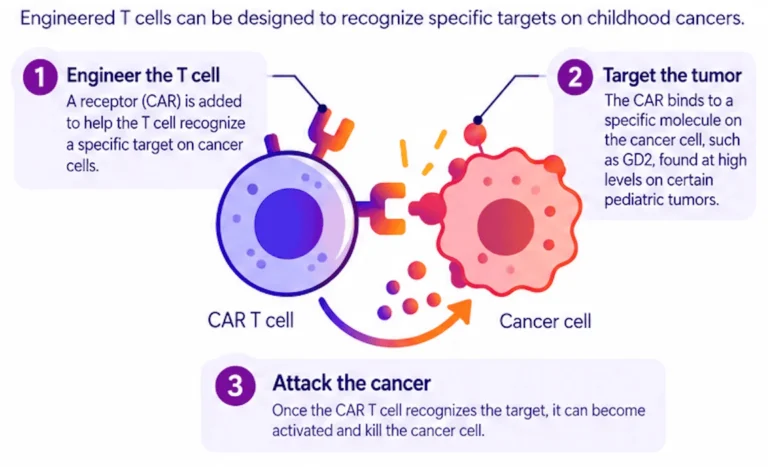
The survival of Belvin and Bitner is not merely anecdotal; it represents a fundamental shift in clinical outcomes. Immunotherapy works by stimulating the body’s immune system to attack cancer cells. Unlike traditional chemotherapy, which targets rapidly dividing cells (both cancerous and healthy), immunotherapy leverages the body’s own T-cells to identify and neutralize threats.
- Long-term Efficacy: According to the Cancer Research Institute, patients with metastatic melanoma treated with checkpoint inhibitors now show significantly improved long-term survival rates compared to the pre-immunotherapy era.
- The "Tail of the Curve": Researchers often refer to the "tail of the survival curve" in immunotherapy studies. While traditional treatments often saw survival rates plummet to near zero after five years, immunotherapy has created a plateau where a significant percentage of patients achieve long-term, durable remission.
- Clinical Trial Impact: The participation of patients like Belvin in early-stage trials provided the longitudinal data necessary to secure FDA approvals for treatments that are now standard of care for thousands of patients worldwide.
Official Perspectives: The Value of Community
While the medical community focuses on the molecular pathways of T-cell activation, survivors emphasize the psychological necessity of peer support.

"I call it finding your family," Belvin noted during a recent discussion on survivorship. "It’s the family you get to choose. It’s the worst club with the best members."
For Bitner, the loneliness of a cancer diagnosis was the greatest obstacle to her healing. "Cancer is such a lonely diagnosis," she reflects. "You feel like you’re the only one in the world who’s ever had it. But knowing that there are other people out there that you can connect with who are going through similar things—it’s vital for keeping you going."
Experts in psycho-oncology support this view, noting that "survivorship care" is not just about physical health, but about the social integration of the patient back into a world that has been irrevocably changed by the diagnosis. The bond between Belvin and Bitner serves as a template for this type of informal, peer-led support, which complements clinical care by reducing patient isolation and fostering emotional resilience.
Implications for the Future of Oncology
The implications of these stories extend far beyond the individual triumphs of two women. They highlight several critical areas for the future of cancer research:
- The Importance of Early Trial Participation: Belvin’s story serves as a reminder that clinical trials are not just "last resorts," but are often the engines of medical progress.
- Addressing the "Hidden" Costs of Survival: Survivorship is often treated as a binary state—you are either sick or cured. However, as both women attest, survivorship is a "continuation." It requires ongoing mental health support to manage the fear of recurrence and the survivor’s guilt that often accompanies successful treatment.
- The Role of Advocacy: By sharing their stories, Belvin and Bitner are helping to destigmatize cancer and provide a blueprint for other patients. Their advocacy work is as much a part of their treatment as the immunotherapy itself.
Conclusion: The "Ordinary" as an Achievement
For Sharon Belvin and Jenney Bitner, the future was once a concept they weren’t sure they would ever occupy. Today, that future is filled with the mundane—school drop-offs, dinner preparations, and the quiet rhythm of daily life.
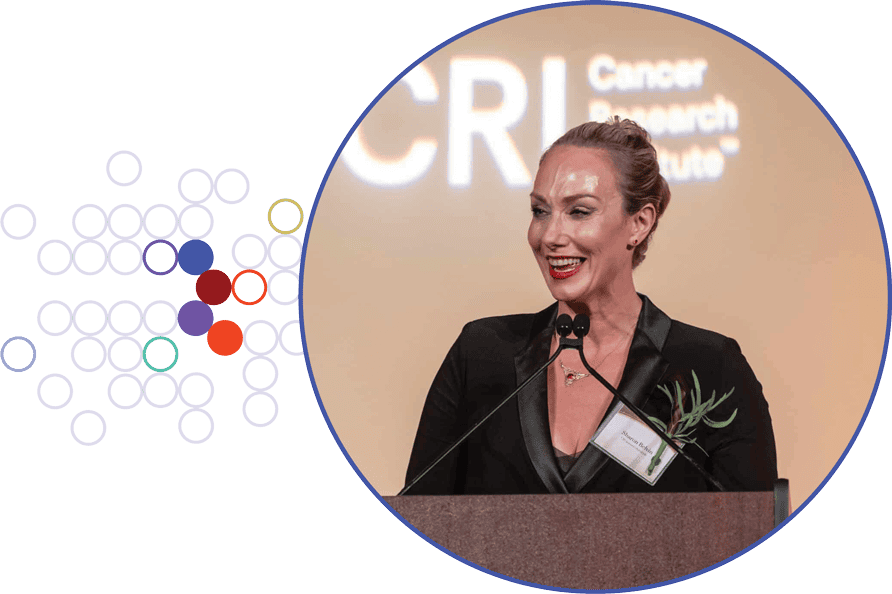
"I feel like I did not appreciate life until it was almost gone," Bitner reflects, "and now every day is a gift, no matter how mundane."
Their lives serve as a poignant reminder that while science can provide the tools for survival, it is the human spirit—supported by the research and the communities that make it possible—that turns those years into a life worth living. As they continue to mentor others and advocate for continued funding into immunotherapy, they remind us that the most significant breakthroughs are measured not just in laboratory data, but in the number of mornings, the number of laughs, and the number of ordinary moments that are allowed to continue.