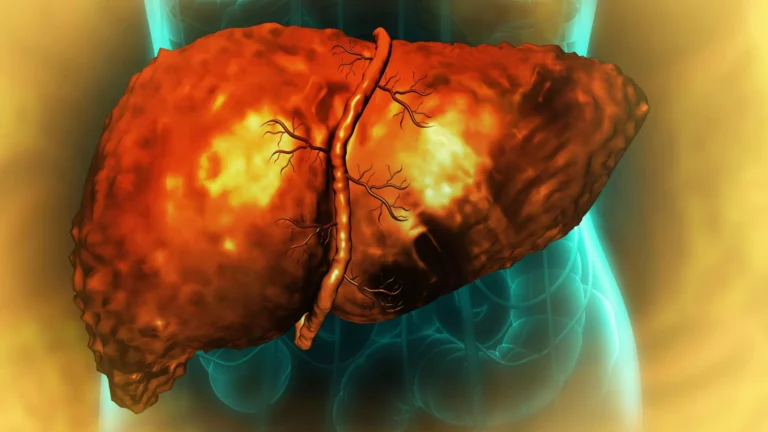












As the holiday season approaches—a period traditionally defined by celebratory toasts, social gatherings, and increased alcohol consumption—a stark warning has emerged from the scientific community. A groundbreaking systematic review, conducted by researchers at Florida Atlantic University’s (FAU) Charles E. Schmidt College of Medicine and published in the journal Cancer Epidemiology, provides a sobering reality check: alcohol consumption is a significant, multifaceted driver of cancer risk, and its impact is far more nuanced than current public health messaging suggests.
For years, the medical community has recognized the carcinogenic potential of alcohol. However, this new study moves beyond simple associations, dissecting how consumption frequency, beverage type, genetic predisposition, and socioeconomic status intersect to create a complex map of vulnerability. As the researchers emphasize, the danger of alcohol is not a static variable, but a dynamic risk factor that shifts based on who is drinking, what they are drinking, and the environment in which they live.
The Scope of the Investigation: A Meta-Analysis of Global Data
To bridge the gaps in existing literature, the FAU research team undertook an exhaustive systematic review, synthesizing data from 62 distinct studies. The breadth of this research is staggering, with sample sizes ranging from small cohorts of 80 individuals to massive population studies involving nearly 100 million participants.
This meta-analysis was designed to move beyond the binary "drink/don’t drink" dichotomy. Instead, the team categorized alcohol use into distinct tiers—excessive, moderate, and mild—to determine how even low-level intake influences long-term oncological outcomes. By accounting for comorbidities such as obesity, chronic liver disease, and diabetes, the researchers were able to isolate the independent effect of alcohol while also observing how it acts as a force multiplier for other health struggles.
The Biological Mechanism: Why Alcohol Damages the Body
The study provides a granular look at the biological pathways through which alcohol facilitates tumor growth. Dr. Lewis S. Nelson, dean and chief of health affairs at the Schmidt College of Medicine and a co-author of the study, explains that the damage begins at a molecular level.
"Biologically, alcohol can damage DNA through acetaldehyde, alter hormone levels, trigger oxidative stress, suppress the immune system, and increase carcinogen absorption," Dr. Nelson stated. Acetaldehyde, a toxic byproduct of alcohol metabolism, acts as a potent mutagen, capable of causing irreparable damage to cellular DNA. When the body’s immune system is simultaneously suppressed by alcohol, it becomes less efficient at identifying and destroying these mutated cells, effectively providing a "green light" for cancer development.
This physiological damage is not immediate but cumulative, compounded by pre-existing conditions and lifestyle factors. When a person with chronic inflammation or a pre-existing genetic predisposition consumes alcohol, they are essentially accelerating a process of cellular degradation that would otherwise be managed by a healthy immune response.
Mapping the Vulnerable: Disproportionate Burdens in Society
One of the most profound findings of the review is that cancer risk is not distributed equally across the population. While alcohol consumption is a universal human behavior, the consequences of that behavior are heavily influenced by social and demographic determinants.
Race, Socioeconomics, and Geography
The study identified that African Americans and individuals from lower-socioeconomic backgrounds face a disproportionate burden of alcohol-related cancer. Interestingly, this risk gap persists even when these groups consume less alcohol than their more affluent counterparts. This suggests that the "cancer burden" is not merely about the volume of alcohol consumed, but about the structural environment in which that consumption occurs. Factors such as access to quality healthcare, environmental pollutants, nutritional quality, and chronic stress levels play a critical role in how the body processes alcohol and resists carcinogens.
Genetic and Clinical Predispositions
Beyond social factors, biological vulnerability varies significantly. Individuals with a family history of specific cancers, or those living with obesity and diabetes, see their cancer risk skyrocket when alcohol is introduced to the equation. Obesity, in particular, acts as a catalyst; the chronic low-grade inflammation associated with excess adipose tissue creates an environment where alcohol-induced DNA damage is more likely to progress into malignancy.
Beverage Type and Gender: Unpacking the Nuance
For decades, the public has been told that the "type" of alcohol matters—a myth often perpetuated by the idea that red wine, in moderation, might be heart-healthy. The FAU study challenges these simplistic narratives.
The researchers found that while the volume of alcohol is the primary driver of risk, the type of drink can influence specific cancer profiles. Some studies reviewed indicated that beer and white wine were associated with a higher risk for certain localized cancers, while liquor did not show the same correlation.
Furthermore, gender-based differences were stark. In men, the risk of cancer was most closely tied to the frequency of consumption—the "daily drinker" profile. In contrast, for women, the risk was disproportionately tied to "episodic heavy drinking," or binge drinking. This discovery is critical for public health policy, as it suggests that standard "drinks per week" guidelines may not be equally protective across genders.
The Interplay of External Factors
Alcohol does not operate in a vacuum. The review highlighted a series of "risk multipliers" that, when combined with alcohol, significantly elevate the probability of developing cancer:
- Smoking: Perhaps the most potent combination, smoking and alcohol use act synergistically to increase the risk of esophageal, laryngeal, and oral cancers.
- Carcinogenic Infections: The presence of Hepatitis B and C, HPV, HIV, or H. pylori bacteria creates a vulnerable internal environment. Alcohol intake in individuals carrying these pathogens significantly increases the likelihood of liver and gastric cancers.
- Lifestyle Indicators: Low levels of physical activity and poor diet were consistently linked to higher mortality rates among drinkers. Conversely, those who adhered to the American Cancer Society’s guidelines regarding physical activity and healthy eating showed a marked reduction in cancer risk, even if they occasionally consumed alcohol.
Policy Implications: Moving Beyond Individual Responsibility
The researchers are clear: the current public health approach—which often focuses on personal choice and "moderation"—is insufficient. Because cancer risk is driven by a complex interplay of biology, behavior, and social environment, policies must be equally comprehensive.
Dr. Maria Carmenza Mejia, a co-author and professor of population health, argues that the findings necessitate a paradigm shift. "Our findings underscore that alcohol-related cancer risk is not driven by alcohol alone, but by a complex interplay of biological, behavioral, and social factors," she said.
Recommendations for Public Health
The study suggests three pillars for future intervention:
- Tailored Messaging: Move away from one-size-fits-all warnings. Public health campaigns must address specific risks for women, older adults, and vulnerable socioeconomic groups.
- Environmental Policy: Addressing the "social determinants of health"—such as access to nutrition and healthcare—is as important as regulating alcohol availability.
- Integrated Care: Medical providers should screen for alcohol use in the context of a patient’s full medical history, including family history and comorbid conditions, rather than treating alcohol as a separate lifestyle check-box.
Conclusion: A Broader Perspective for a Healthier Future
As the holiday season approaches, the FAU review serves as a poignant reminder that the "celebratory glass" carries a biological cost. However, the study is not a call for prohibition; rather, it is a call for informed awareness.
By understanding that cancer risk is an accumulation of factors—genetics, environment, diet, and alcohol—individuals can make more empowered choices. For some, this may mean stricter adherence to moderation; for others, it may mean prioritizing lifestyle changes that fortify the body against the risks associated with alcohol.
Ultimately, the message from the researchers is one of structural and personal vigilance. By recognizing how these forces intersect, society can move toward a more accurate understanding of health, ensuring that the focus remains not just on the glass in our hands, but on the environment and biological foundations that allow us to live longer, healthier lives. As Dr. Lea Sacca, the senior author of the study, succinctly put it: "Heavy, daily or binge drinking is strongly linked to multiple cancers, highlighting the importance of moderation and following cancer prevention guidelines." In an era of complex health challenges, such guidance remains the most powerful tool for prevention.