







The sun set hours ago, plunging the world outside into shadow. Inside the laboratory, however, the environment remains in a state of perpetual, focused illumination. The only ambient light emanates from the rhythmic pulse of a computer screen and the sterile glow of a benchtop workstation. A timer dings—a sharp, mechanical interruption in the silence. A scientist stands, dons a fresh pair of gloves, and meticulously retrieves the next sample. The timer is reset. The scientist returns to the data, waiting for the next time point.
This is not a scene from a Hollywood dramatization of scientific discovery. There are no frantic, cinematic revelations here, nor are there immediate, sweeping headlines. This is the reality of modern cancer research: an exercise in profound patience, quiet dedication, and the relentless pursuit of clarity in a sea of variables. During National Cancer Research Month, the Cancer Research Institute (CRI) invites us to look past the clinical trial results and the headline-grabbing therapies to appreciate the grueling, invisible labor that makes the future of medicine possible.
The Anatomy of an Experiment: The Precision of Persistence
To the public, progress in cancer research often appears as a series of sudden, triumphant leaps. In reality, it is a slow, iterative churn. The work conducted by the scientist in the middle of the night is rarely the "eureka" moment; it is a single, repetitive step in a chain of validation.
To understand the complexity of this work, consider a domestic analogy: baking a complex dish. You follow a recipe with surgical precision, measuring every gram and monitoring every temperature. Yet, when you attempt to replicate the dish, the result differs. Perhaps the oven cycled a few degrees higher due to ambient humidity, or a slight variation in the purity of an ingredient shifted the chemical reaction. In a kitchen, this is a minor frustration; in a laboratory, this is a fundamental challenge.
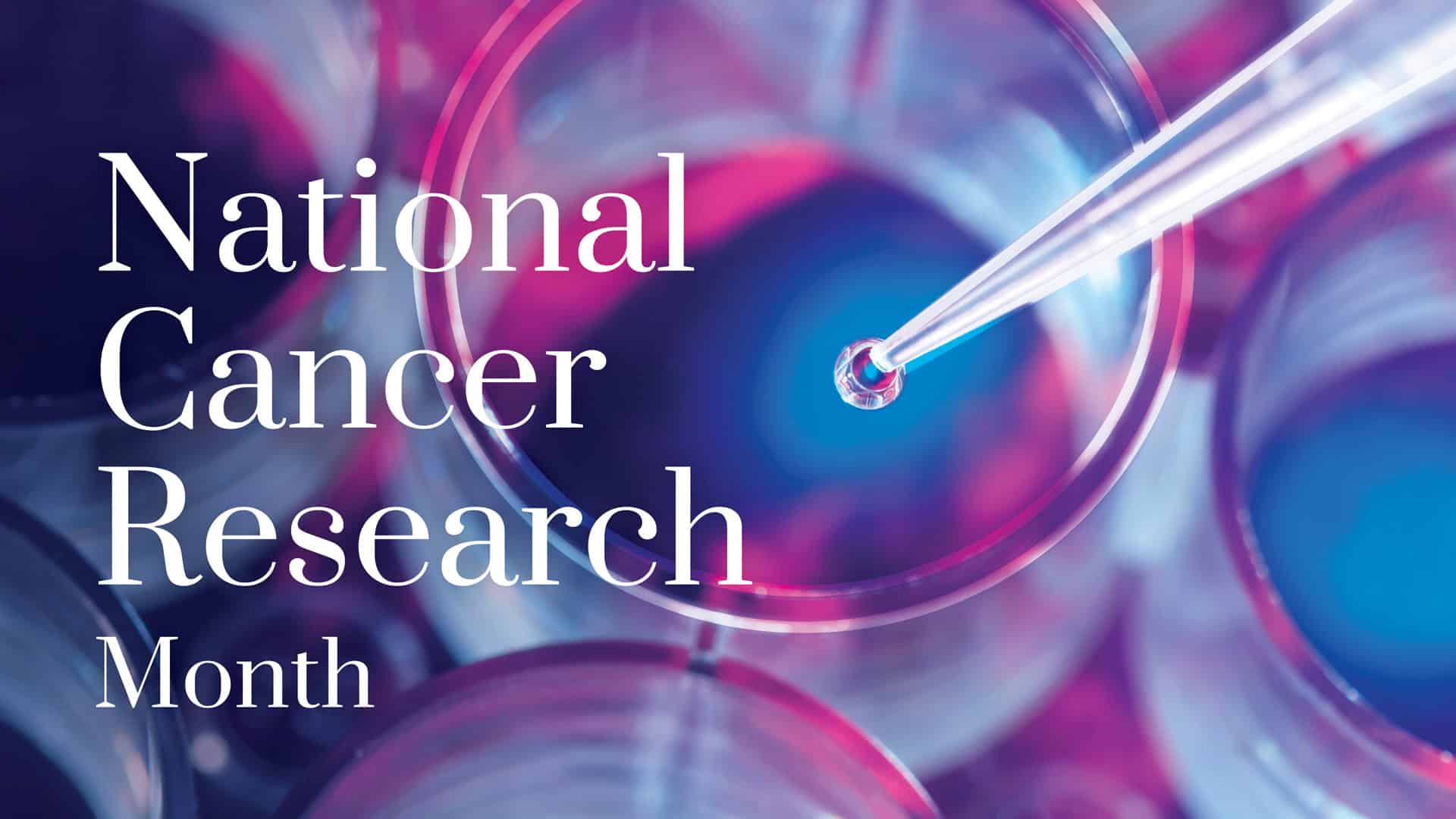
Science demands reproducibility. If an experiment yields a result that cannot be replicated under identical conditions, it is not yet a discovery—it is an anomaly. The scientist must become a detective, isolating every potential variable—the temperature of a centrifuge, the precise brand of a reagent, the incubation time—to ensure that the data is not just interesting, but trustworthy. This is the "slow churn" of science. It is often unglamorous, frequently frustrating, and occasionally leads to months of work resulting in inconclusive findings.
Yet, the work persists. When an experiment fails, the scientist does not see an endpoint; they see data. Each failure is a clue, a refinement of the hypothesis that moves the researcher one step closer to the truth. Over time, those incremental steps coalesce. A signal emerges from the noise. A hypothesis hardens into a theory. That is the moment where discovery begins to take shape.
The Crisis of Funding: Protecting the Future of Innovation
While the labor is intensive, it is also increasingly fragile. The engine of scientific progress is fueled by resources, time, and, most critically, financial support. Without the funding to sustain long-term inquiry, the cycle of discovery risks stalling.
Alicia Zhou, PhD, CEO of the Cancer Research Institute, notes that the current landscape is particularly perilous for the next generation of researchers. "Funding cuts are disproportionately impacting young investigators," she explains. "These are folks who are just beginning in their careers, hoping to start a long career in scientific research. If we do not protect this cohort, we risk losing the very minds that will drive the breakthroughs of tomorrow."

This sentiment is echoed by E. John Wherry, PhD, Associate Director of the CRI’s Scientific Advisory Council. "If we don’t protect this next generation of researchers, we risk losing the very people who will drive the discoveries of tomorrow," he warns. The concern is that if the barrier to entry becomes too high or the path to funding too narrow, the brightest talent will migrate away from oncology, leaving a void that could set back clinical outcomes for decades.
From Bench to Bedside: The Long Road to Intervention
The transition from a laboratory finding to a clinical application is a marathon, not a sprint. Even after a discovery is validated within a lab, it must be shared with the global scientific community. It undergoes rigorous peer scrutiny and must be validated across different labs, under varying conditions, and across diverse biological models.
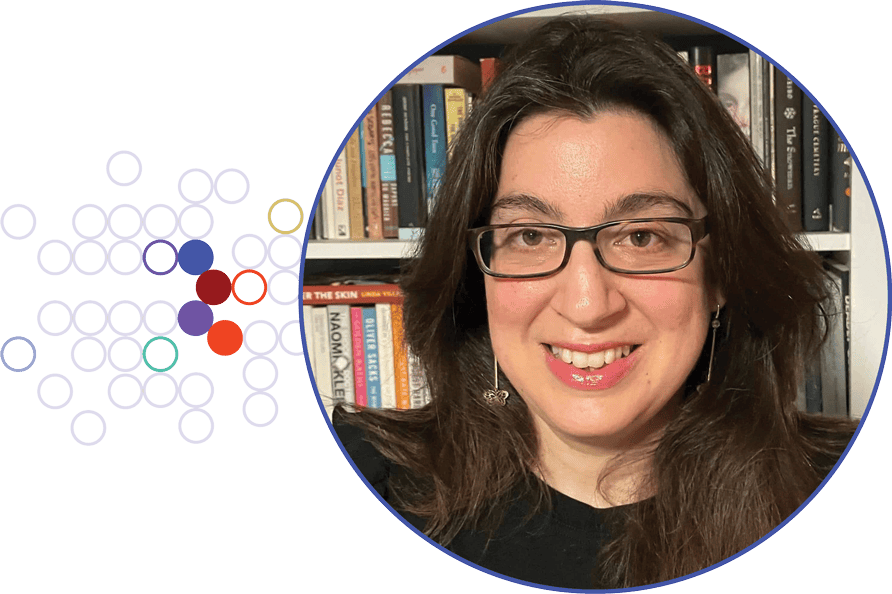
Valsamo (Elsa) Anagnostou, MD, PhD, a CRI CLIP Investigator, emphasizes the importance of bridging this gap. "There is a huge need for support of translational research," she says. "There is a need for support for taking scientific discoveries in the lab and translating those into interventions that make a difference in clinical outcomes."
This translational process is where the "quiet work" finally meets the patient. However, the path is long. A discovery made in 2026 might not translate into a standardized clinical protocol until the 2030s or 2040s. Kenneth Murphy, MD, PhD, the recipient of the 2026 AACR-CRI Lloyd J. Old Award in Cancer Immunology, highlights the non-linear nature of this journey.
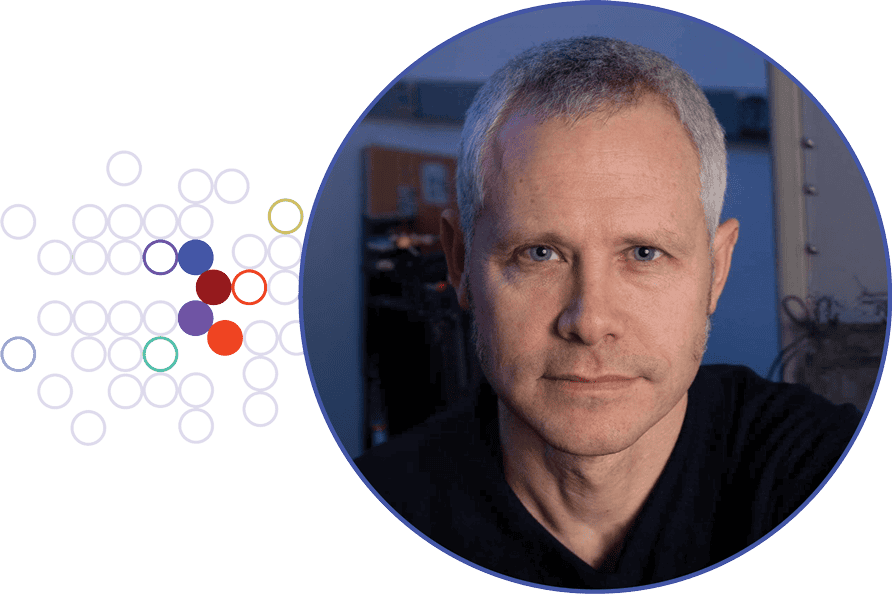
"The truth of it is, we stumbled across that gene for the wrong reasons, and it was a disaster, and we finally figured out what was missing," Dr. Murphy recalls. His work, which ultimately led to fundamental discoveries regarding dendritic cells and their role in immune responses, was born from a "disaster" that eventually provided a missing piece of the immunological puzzle. This underscores a vital truth: science does not always follow a straight line, and the "mistakes" are often the catalysts for the most significant leaps in understanding.
The Human Impact: Why We Must Support the Process
The ultimate objective of this arduous process is simple: to improve and extend human life. For patients like Sharon Belvin, a survivor of Stage 4 melanoma, the connection between a quiet lab in the middle of the night and her own survival is direct and tangible.
"My life, and the lives of so many others, are living proof that this work actually matters," Belvin says.
When we look at a cancer survivor, we are looking at the final, triumphant result of thousands of hours of unseen labor. We are looking at the outcome of experiments that failed, theories that were discarded, and researchers who chose to return to the bench the next day to try again.
Conclusion: Sustaining the Light
As we observe National Cancer Research Month, it is essential to recognize that cancer research is not merely a series of breakthroughs—it is a continuous, human-centered endeavor. It requires the sustained support of donors, policymakers, and the public to ensure that the researchers working tonight—and every night—have the resources they need to ask the difficult questions.
The light in the lab stays on because the work is not finished. Every new therapy, every improved outcome, and every life saved traces back to these quiet moments of persistence. By supporting research today, we are not just funding an experiment; we are investing in the foundation of the medicine of the future.
Tonight, long after the rest of the world has gone to sleep, a light will remain on in a laboratory somewhere. A timer will ding. A scientist will pick up a sample. And, in that quiet, repetitive, and essential act, the next breakthrough will begin its long, slow journey toward saving a life.
For those interested in the ongoing work of the next generation of pioneers, visit the Cancer Research Institute to learn more about the scientists who are turning possibility into progress.