










Irritable Bowel Syndrome (IBS) is often trivialized as a mere digestive inconvenience, yet for the approximately 14 percent of the global adult population living with the condition, it represents a profound, life-altering struggle. Recent studies underscore the severity of this burden: many individuals with IBS have reported they would be willing to trade 10 to 15 years of their life expectancy for an immediate, permanent cure. In even more striking research, some patients indicated they would accept a medicine carrying a one percent risk of sudden death if it promised to eradicate their symptoms.
These figures are not hyperbolic; they are a testament to the daily agony of living with a disorder that dictates every aspect of human existence. From urgent bouts of diarrhea to persistent, painful constipation and debilitating abdominal cramps, IBS siphons concentration, shatters sleep, and erodes professional productivity. For many, the condition necessitates a life curated around the proximity of private, clean restrooms, leading to a pervasive state of "gastrointestinal-specific anxiety."
Understanding the "Spastic Colon": From Psychology to Neurology
Historically, the medical community frequently dismissed IBS as a purely psychological manifestation. Because diagnostic imaging—such as colonoscopies and CT scans—reveals no structural damage, inflammation, or infection, patients were often told their pain was "all in their head."
This outdated perspective has undergone a paradigm shift. Today, medical experts classify IBS as a functional neuro-gastrointestinal disorder. The anatomy of the gut is normal, but its "wiring" is not. In patients with IBS, the complex communication network between the gastrointestinal tract and the brain is dysfunctional. The brain sends unnecessary pain signals, and the gut misinterprets them, leading to an over- or under-active digestive response.
The Mechanisms of Miscommunication
Researchers currently point to two primary theories regarding the pathophysiology of IBS:

- Visceral Hypersensitivity: The nerve endings in the GI tract are hyper-alert. Tiny gas bubbles or normal digestive movements that would go unnoticed by a healthy individual are processed as severe, acute pain by an IBS sufferer.
- Neuromuscular Dysregulation: The muscles of the GI tract may contract with excessive force, causing diarrhea and cramping, or fail to contract enough, resulting in the sluggish transit times characteristic of constipation.
A Spectrum of Symptoms: Why Diagnosis is Difficult
IBS is notoriously difficult to diagnose because it is a "diagnosis of exclusion." Because its symptoms overlap with celiac disease, inflammatory bowel disease (IBD), and even colorectal cancer, patients must undergo rigorous testing to rule out life-threatening conditions.
The Clinical Categorization
Once other diseases are ruled out, physicians categorize IBS based on the patient’s primary symptom profile:
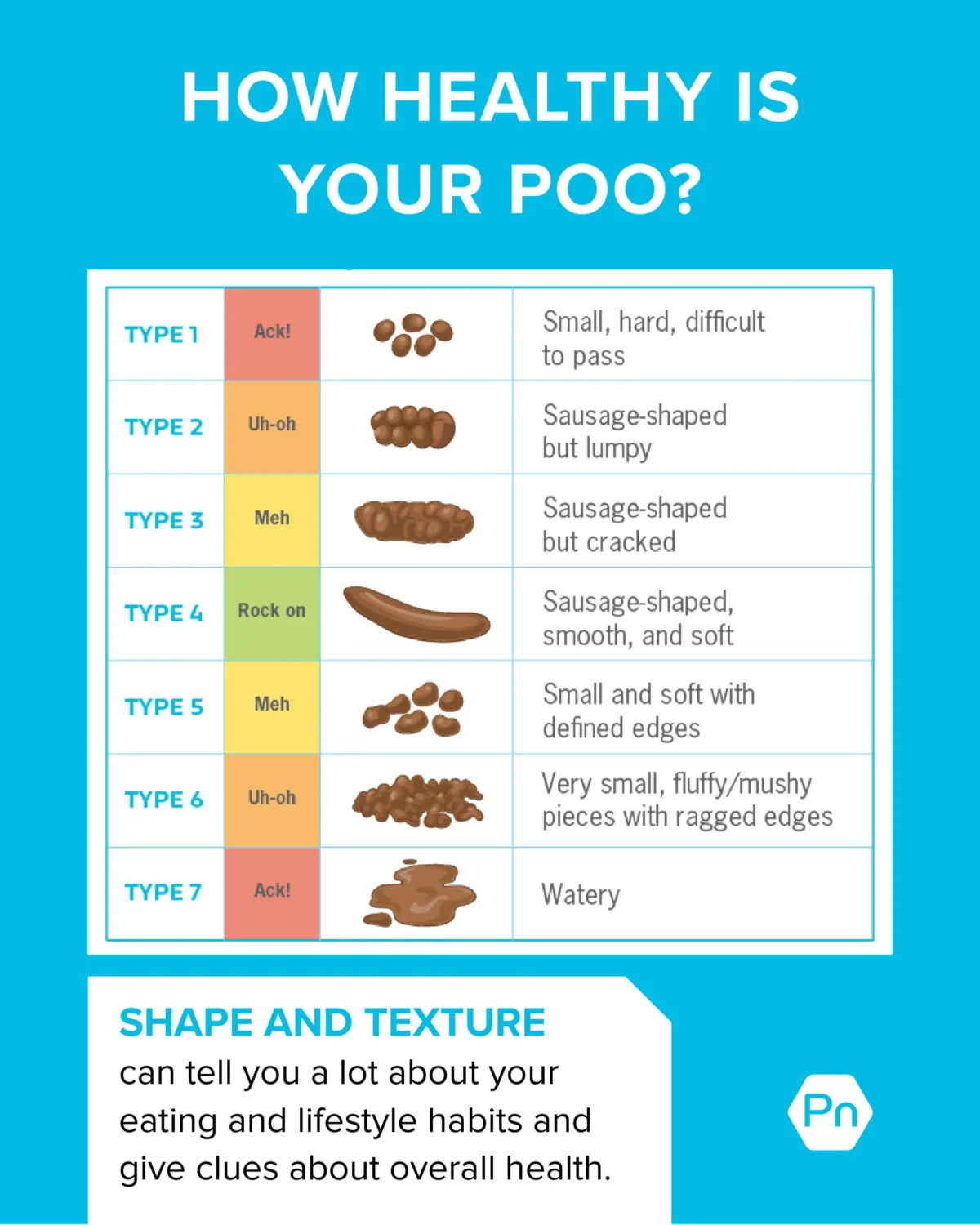
- IBS-D (Diarrhea-predominant): Characterized by loose, watery stools and urgency.
- IBS-C (Constipation-predominant): Defined by infrequent, hard, or lumpy stools.
- IBS-M (Mixed): A frustrating oscillation between both diarrhea and constipation.
The lack of a "one-size-fits-all" symptom set means that treatment must be highly individualized. While one patient may find relief through fiber supplementation and antispasmodics, another might require specialized antibiotics or neuromodulators to dampen the brain-gut pain signals.
The Strategy for Management: Five Pillars of Relief
While no single "cure" exists, advancements in lifestyle intervention and medical technology have provided new pathways for management. Precision Nutrition (PN) Super Coach Sarah Maughan, a specialist in food sensitivities, emphasizes that while medical intervention is vital, lifestyle changes serve as the foundation for long-term symptom regulation.
1. The Role of Physical Activity
Regular exercise is not just for cardiovascular health; it is a potent tool for gut regulation. Clinical trials have demonstrated that moderate walking for one hour, three times a week, can lead to significant reductions in bloating and abdominal pain within 12 weeks. Researchers believe this is due to a combination of stress reduction and the promotion of a healthier gut microbiome.

2. Nervous System Regulation
Stress does not cause IBS, but it certainly exacerbates it. Stress hormones like cortisol and norepinephrine directly influence gut motility. Coaches like Maughan advocate for "nervous system regulation"—utilizing yoga, breathwork, and meditation to shift the body out of a "fight or flight" state, which in turn calms the intestinal muscles.
3. The Art of Slow Eating
In our fast-paced society, the act of "wolfing down" food is a major trigger for GI distress. Eating slowly allows for more thorough mastication, which initiates the digestive process in the mouth through salivary enzymes. This reduces the mechanical load on the stomach and small intestine, minimizing the risk of acid reflux and gas.
4. Prioritizing Restorative Sleep
The relationship between sleep and IBS is cyclical. Poor sleep increases cortisol levels, which triggers gut pain, while gut pain prevents restorative sleep. Breaking this cycle often requires a multi-pronged approach, including earlier, lighter dinners and consistent pre-sleep routines to signal the nervous system that it is time to recover.
5. Investigative Dietary Approaches
Diet is often the first line of defense, but it is also the most misunderstood. The "Low-FODMAP" diet—which restricts fermentable carbohydrates that are poorly absorbed in the small intestine—has become the gold standard for many. However, it is not meant to be a permanent way of living. Elimination diets, when conducted under professional guidance, serve as scientific experiments to identify specific personal triggers, such as fructose, lactose, or polyols, rather than blanket exclusions.
The Professional Perspective: The Coach’s Scope of Practice
As interest in non-medical management grows, health coaches are finding themselves on the front lines of support. However, Sarah Maughan warns that the role of a coach must be strictly defined to ensure client safety.

The Golden Rules of Coaching for IBS:
- Refer, Don’t Diagnose: A coach should never tell a client, "You have IBS." That is a medical diagnosis. Coaches must encourage clients to see a physician for a formal assessment.
- Collaborate, Don’t Contradict: A coach’s role is to support the plan provided by the client’s medical team, not to disparage the medical establishment.
- Facilitate, Don’t Prescribe: A coach helps a client run experiments—such as trying a temporary elimination diet—rather than handing down a rigid, restrictive meal plan.
Implications for Future Care: Knowledge as Empowerment
The most significant takeaway for anyone living with IBS is that "knowledge is power." Fear often leads to social isolation, with patients avoiding restaurants, exercise, and social gatherings to prevent an unpredictable flare-up.
By shifting the mindset from "avoidance" to "experimentation," patients can reclaim their agency. Understanding that specific foods or stressors trigger symptoms—and learning exactly what those are—does not mean a life of deprivation. It means having the information necessary to make informed choices.
"My hope," says Maughan, "is for everyone with IBS to know they have options. You don’t have to be a prisoner to your gut. Whether it is through a physician for medication or a coach to learn how to put lifestyle changes into action, there is a path to a better quality of life."
Ultimately, managing IBS is about the integration of medical science and lifestyle discipline. By fostering a collaborative environment between doctors and coaches, and by empowering patients to monitor their own bodies with tools like the Bristol Stool Chart and the "Sphere of Control" model, the debilitating weight of this condition can be significantly lightened, allowing those affected to move from a state of constant, anxious vigilance to a life of stability and confidence.