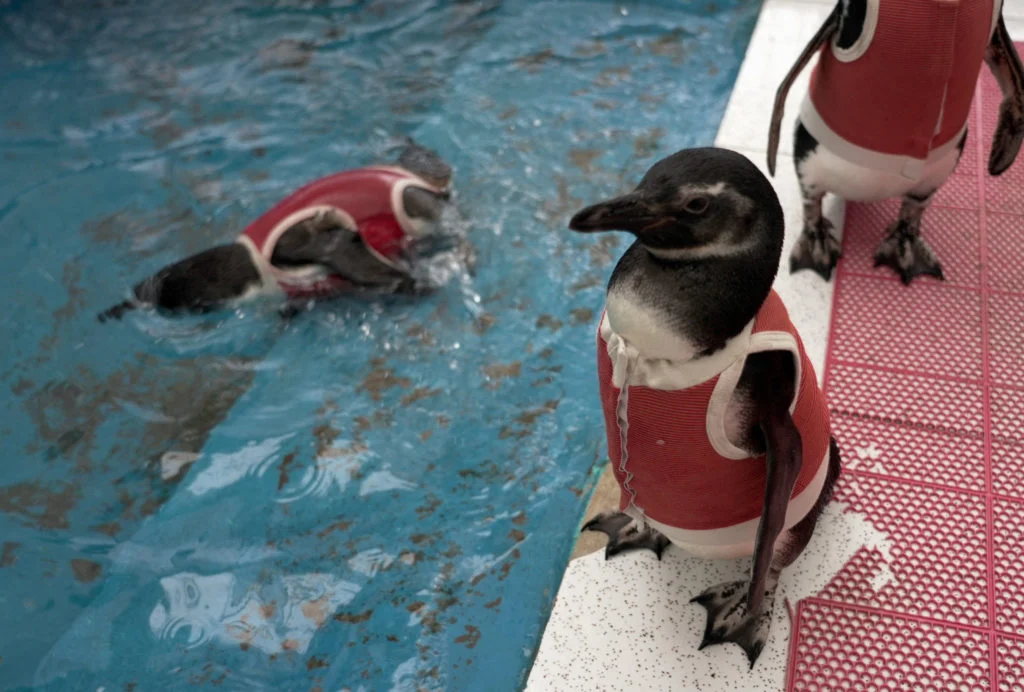
In the rugged, windswept coastal landscapes of Chile, a quiet medical revolution is taking place. It is a story of ingenuity, cross-disciplinary collaboration, and a deep-seated commitment to marine conservation. Injured penguins, often found battered and broken by the hazards of the modern ocean, are being given a second chance at life through an unlikely medium: high-tech, copper-infused "penguin suits."
As climate change, overfishing, and habitat degradation push seabird populations to the brink, these custom-fitted vests represent a significant leap forward in veterinary care. By bridging the gap between textile engineering and wildlife biology, conservationists are finding ways to heal animals that were once considered beyond recovery.
The Plight of the Penguin: Manmade Hazards in the Wild
To understand the necessity of these suits, one must first understand the precarious existence of the modern penguin. As one of the most threatened groups of seabirds on the planet, penguins are currently besieged by a trifecta of anthropogenic pressures: the warming of ocean currents due to climate change, the depletion of food sources caused by industrial overfishing, and the encroaching destruction of their nesting habitats.
However, for the penguins arriving at the Humboldt Conservation Center in Chile, the immediate threat is often far more tangible. Many of these birds are rescued from the shoreline suffering from severe lacerations, deep tissue damage, and secondary infections—injuries almost exclusively attributed to entanglement in discarded commercial fishing nets. These "ghost nets" drift through the currents, ensnaring unsuspecting marine life and leaving behind a trail of casualties.
When these birds are brought into the veterinary clinic, they arrive in critical condition. Their wounds are frequently necrotic or inflamed, requiring extensive surgical intervention. This is where the challenge for veterinarians truly begins.
The Genesis of the Copper Suit: A Technological Breakthrough
The development of the specialized vests was born out of a clinical impasse. Veterinary surgeons at the Humboldt Conservation Center faced a recurring problem: how does one keep a wild, restless animal from interfering with its own surgical sutures?
"These patients generally arrive with wounds in very poor condition," explains Dr. Tomas Pino Damke, a veterinary doctor at the Humboldt Conservation Center. "We have to perform surgical management—cleaning, debriding, and suturing. But then we faced the challenge of treating these wounds in a wild animal with a great range of neck movement. They would consistently remove their stitches or disturb the wound site, which would undo all our surgical progress."
The solution came from an unlikely partnership with Kimba, a Chilean textile company that had previously focused on pet care products for four-legged mammals. By repurposing their existing textile technology, the company worked with veterinarians to design a garment that could withstand the harsh, aquatic environment of a penguin’s life while actively promoting biological healing.
The Science of Healing Textiles
The suits are not merely protective barriers; they are active medical devices. The fabric is woven with two critical minerals:
- Copper: Known for its potent antimicrobial, antibacterial, and antifungal properties, copper acts as a localized shield, preventing opportunistic pathogens from colonizing the open wound.
- Zinc: A vital micronutrient, zinc plays a key role in the body’s natural repair process, encouraging the formation of new blood vessels (angiogenesis) and accelerating the closure of damaged tissue.
By embedding these minerals into the fibers of the vest, the clinicians can maintain a sterile environment around the wound site without the constant, stressful application of topical creams or heavy bandages, which are difficult to maintain on a bird that spends a significant portion of its time swimming.
Chronology of Recovery: A Case Study in Innovation
The implementation of this technology follows a strict, patient-centered protocol:
- Rescue and Triage: Penguins are recovered from the Chilean coast, often dehydrated and suffering from deep lacerations caused by monofilament netting.
- Surgical Intervention: Veterinarians perform debridement to remove dead tissue, followed by precise suturing to close the wound.
- The "Fitting" Phase: Once the wound is closed, the bird is fitted with the custom-sized Kimba suit. The snug fit prevents the bird from pecking at the sutures, acting as a "soft cast."
- Integrated Rehabilitation: The penguins are allowed to move, swim, and feed while wearing the suits. This is a critical component of the treatment; by allowing the birds to maintain their natural swimming behaviors, they avoid the muscle atrophy that often accompanies traditional cage-bound recovery.
- Monitoring and Release: As the copper and zinc-infused fabric facilitates faster healing, the penguins are monitored for signs of tissue regeneration. Once the veterinary team clears the animal, the suit is removed, and the bird is prepared for release back into its natural habitat.
Supporting Data and Clinical Implications
While the use of these suits is still in its infancy, the preliminary results are promising. Estefania Guidotti, Head of Textile Marketing at Kimba, notes the novelty of the application. "We are working under the hypothesis that this technology could also help penguin recovery," she says. "We have tested it in dogs, cats, and mammals, but in penguins, this is the first time."
The implications of this success are vast. If a textile-based treatment can be standardized for seabirds, it could fundamentally change how wildlife rehabilitation centers manage trauma.
Comparative Efficacy
- Reduced Stress: Traditional wound management in wild birds involves high levels of human handling, which induces stress and can suppress the immune system. The suit minimizes the need for daily dressing changes.
- Infection Control: By utilizing the natural biocidal properties of copper, the center reduces the reliance on systemic antibiotics, which is a major victory in the fight against antibiotic-resistant bacteria.
- Improved Recovery Velocity: Early observations suggest that the combined effect of physical protection and mineral-induced angiogenesis allows birds to reach the "release-ready" stage weeks faster than birds treated with traditional methods.
The Broader Context: Why Every Bird Matters
The work being done in Chile is not just about saving individual penguins; it is about maintaining the delicate balance of the Humboldt Current ecosystem. Penguins act as "sentinel species"—they are the proverbial canaries in the coal mine. Because they are at the top of their food chain, their health reflects the health of the entire marine environment.
When a penguin is rescued from a fishing net, it highlights the failure of current maritime safety regulations. The fact that veterinarians must develop high-tech suits to fix manmade problems is a sobering reminder of the pressure humans place on marine life.
Expert Perspectives on Conservation
Conservationists argue that while the suits are a brilliant medical intervention, they are only a stopgap measure. "We are treating the symptoms of a much larger, systemic illness," says a representative from a regional marine biology institute. "The suits are a triumph of veterinary medicine, but the ultimate goal must be to remove the fishing nets from the ocean and regulate industrial fishing practices to ensure there are no more ‘ghost’ injuries to treat."
Conclusion: A Future in Flux
As these penguins shimmy and swim their way through the rehabilitation pools in Chile, they carry with them the hope of a new approach to conservation. The sight of a penguin in a copper-infused vest is, at once, a humorous image and a profound statement on human responsibility.
The success of the Humboldt Conservation Center and Kimba’s collaboration proves that when technology is applied with compassion, the odds can be tilted in favor of the wild. These penguins are being given a second chance to return to the ocean, to find their mates, and to survive in an increasingly difficult world.
For now, the focus remains on the individual: one bird, one wound, and one suit at a time. But the ripple effects of this innovation are likely to be felt across the global conservation community, setting a new standard for how we mend the broken wings—and webbed feet—of the natural world.