








Featured Buzz – January 11, 2026
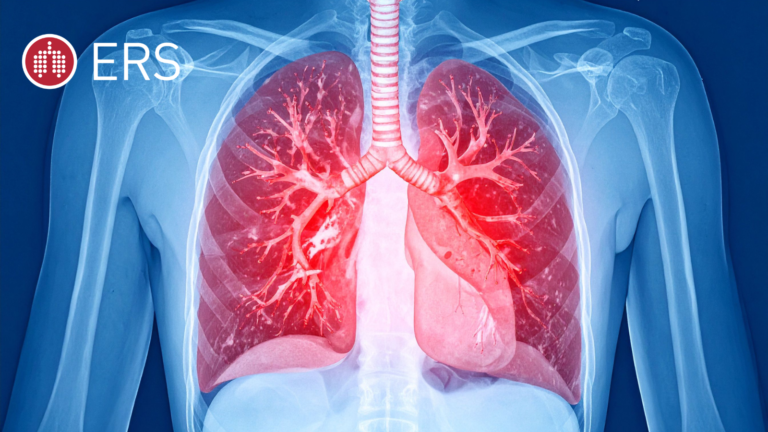
The landscape of respiratory medicine is undergoing a profound transformation. As technological advancements in artificial intelligence (AI) and point-of-care diagnostics converge, clinicians are gaining unprecedented tools to identify, monitor, and treat complex lung conditions. Recent studies published in leading medical journals highlight three pivotal breakthroughs: the use of AI to repurpose electrocardiograms (ECGs) for COPD screening, the application of lung ultrasound (LUS) to refine neonatal care, and the integration of generative AI with molecular biomarkers to combat the crisis of antibiotic over-prescription in critical care.
1. ECGs as a Gateway: Detecting COPD via Artificial Intelligence
Chronic Obstructive Pulmonary Disease (COPD) remains one of the world’s leading causes of morbidity and mortality. Often underdiagnosed until the disease reaches an advanced, irreversible stage, COPD represents a significant burden on the healthcare system. A groundbreaking study from the Mount Sinai Health System suggests that a ubiquitous tool—the electrocardiogram—could serve as a novel, low-cost screening instrument for this condition.
The Methodology and Data
The research team, seeking to leverage existing diagnostic infrastructure, compiled a massive dataset consisting of 208,231 ECGs from 18,225 patients with confirmed COPD across five Mount Sinai hospitals in the New York metropolitan area. To establish a robust baseline, they paired these with 552,771 ECGs from a control group of 59,356 individuals, carefully matched by age, sex, and race.
The researchers utilized this dataset to train a Convolutional Neural Network (CNN)—a specialized deep-learning model designed to recognize complex patterns within visual data. By training the model to correlate specific electrical signatures in the heart’s activity with the presence of COPD, the team aimed to identify subtle physiological indicators that typically evade human observation.
Implications for Clinical Practice
While the authors emphasize that ECG-based AI will not replace the gold standard—spirometry—they argue that it offers a "pragmatic approach to opportunistic screening." Because ECGs are performed millions of times annually during routine check-ups, embedding this AI model into electronic health record (EHR) systems could flag high-risk patients long before they present with symptomatic lung decline.
"Earlier recognition may facilitate timely smoking cessation, targeted therapies, and pulmonary rehabilitation," the authors noted in eBioMedicine. By slowing disease progression, this diagnostic pivot could dramatically reduce the long-term healthcare burden associated with COPD management.
2. Precision Neonatal Care: Lung Ultrasound Predicts Extubation Success
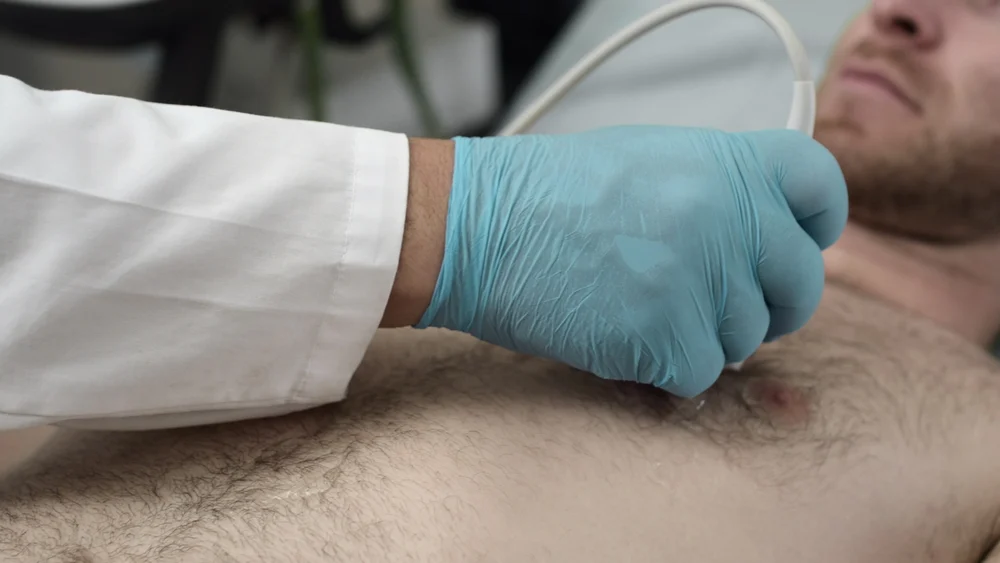
In the neonatal intensive care unit (NICU), the decision to remove a mechanical ventilator—extubation—is a high-stakes clinical judgment. Failed extubations are associated with increased mortality and longer hospital stays. Researchers from the University of Chicago have now validated a reliable predictor for this process: the lung ultrasound (LUS).
Chronology of the Clinical Study
The study focused on 45 very low birth weight (VLBW) infants suffering from respiratory distress syndrome. Throughout the course of the study, 53 distinct extubation attempts were monitored. The protocol required a standardized lung ultrasound assessment to be performed between three and six hours prior to each extubation attempt. Failure was strictly defined as any infant requiring reintubation within seven days of the initial attempt.
Supporting Data and Key Findings
The study’s findings indicate that the neonatal-adapted LUS score serves as an excellent predictor of success. Crucially, the data revealed that the score is most predictive when performed on the day of the procedure, providing real-time data to neonatologists.
Furthermore, the research addressed a common clinical concern: the use of corticosteroids. The study found that dexamethasone treatment—often used to reduce inflammation in the lungs of preterm infants—did not negatively influence or mask the predictive accuracy of the LUS scores. This suggests that the LUS score is a robust, independent biomarker that can be used safely in conjunction with standard pharmacological interventions.
3. Combating Antibiotic Resistance: AI and Biomarkers in Critical Care
Perhaps the most ambitious study of the quarter comes from the University of California, San Francisco (UCSF). As the global health community grapples with the rise of multi-drug resistant organisms, the indiscriminate use of antibiotics in intensive care units (ICUs) has become a primary target for reform. UCSF researchers have developed a hybrid diagnostic strategy that combines biological markers with generative AI to diagnose Lower Respiratory Tract Infections (LRTIs) with striking accuracy.
The Technological Breakthrough
The model centers on the expression of a specific gene, FABP4, found in lung fluid. FABP4 acts as a modulator of inflammation, and its expression levels drop significantly when the lung is under attack by an infection. By combining this molecular biomarker with a generative AI analysis of the electronic medical record—including chest X-ray reports and physician clinical notes—the researchers created a comprehensive diagnostic engine.
Performance and Official Responses
In an observational study of critically ill adults, the model achieved a 96% diagnostic accuracy rate, significantly outperforming the intuition-based assessments of ICU clinicians. Most importantly, the study suggests that had the model’s recommendations been followed, the use of inappropriate antibiotics could have been reduced by more than 80%.
The research, published in Nature Communications, highlights the potential for "AI-augmented intelligence." The authors believe this model can be easily integrated into any clinical setting with a HIPAA-compliant GPT-4 interface.
"This study suggests that integrating a host biomarker with large language model analysis can improve LRTI diagnosis in critically ill adults," the authors stated. The UCSF team is now moving toward formal clinical validation, with plans to expand the model’s capabilities to include the diagnosis of sepsis—a leading cause of death in hospital settings globally.
Synthesis: The Future of Diagnostics
The common thread linking these three studies is the shift toward augmentative diagnostics. Whether it is the repurposing of ECG data, the refinement of ultrasound in neonatology, or the fusion of gene expression with large language models, these developments represent a departure from traditional "siloed" medicine.
Summary of Clinical Implications
- Efficiency: By leveraging data that is already being collected (ECGs, X-rays, clinical notes), these AI models increase diagnostic yields without requiring additional, invasive testing for the patient.
- Precision: The use of biomarkers like FABP4 alongside AI ensures that decisions—such as the administration of antibiotics—are based on host response rather than empirical, trial-and-error approaches.
- Proactive Management: The ability to predict extubation success or identify early-stage COPD shifts the medical focus from reactive treatment to proactive management.
Looking Forward
As these models move from the pages of journals like eBioMedicine, the Journal of Perinatology, and Nature Communications into the daily workflow of hospital systems, the medical community must address the challenges of integration. Issues such as algorithm bias, data privacy, and the need for standardized AI oversight remain paramount.
However, the trajectory is clear: the integration of AI into respiratory diagnostics is no longer a theoretical exercise. It is a maturing field of medicine that promises to reduce the diagnostic gap, improve patient outcomes, and ensure that limited medical resources—including powerful antibiotics and mechanical ventilators—are used with greater stewardship and precision.
As we move through 2026, these tools may soon become as fundamental to the clinician’s toolkit as the stethoscope, marking a new era where technology and human expertise work in tandem to secure better health outcomes for the most vulnerable populations.