










For billions of people around the globe, the morning ritual is non-negotiable. Whether it’s a robust espresso, a creamy latte, or a simple pour-over, coffee has become the fuel of modern civilization. We consume an average of nearly two kilograms of coffee beans per person annually, with personal preferences for blends and brewing methods reaching near-artisan levels of specificity.
But behind the rich aroma and the caffeine-induced wakefulness lies a complex physiological interaction. How much coffee you drink—and how your body reacts to it—is a biological tug-of-war influenced by your genetics, the efficiency of your caffeine metabolism, and the delicate architecture of your brain’s reward system. For those living with hypertension or heart health concerns, this ritual often comes with a question: Is my morning cup doing more harm than good?
Understanding Hypertension: The Silent Adversary
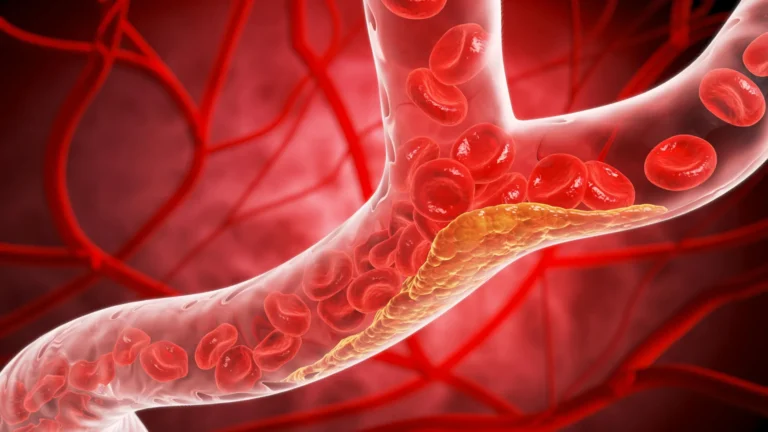
Before dissecting the impact of coffee, it is essential to understand what we are measuring. Blood pressure is the force exerted by circulating blood against the walls of your arteries. It is expressed through two primary metrics: systolic pressure (the force when the heart beats) and diastolic pressure (the force when the heart rests between beats).
Normal blood pressure is defined as a reading of less than 120/80 mm Hg. Hypertension, or high blood pressure, is typically diagnosed when these numbers consistently reach or exceed 140/90 mm Hg.
The danger of hypertension lies in its invisibility. Often referred to as a "silent killer," it presents no overt symptoms, yet it serves as a primary driver for heart attacks, strokes, and kidney disease. Current data suggests that approximately 31% of the global adult population lives with hypertension, with nearly half of those individuals entirely unaware of their condition. Even among those diagnosed and medicated, nearly 47% struggle to keep their levels within a healthy, controlled range.
The Physiological Mechanics: How Caffeine Triggers the System
The primary engine behind coffee’s effect on the body is caffeine—a potent muscle stimulant. When ingested, caffeine acts as a catalyst for a chain reaction within the cardiovascular system.
The Adrenaline Surge
Upon entering the bloodstream, caffeine triggers the adrenal glands to release adrenaline (epinephrine). This "fight-or-flight" hormone causes the heart rate to accelerate and blood vessels to constrict. This constriction increases systemic resistance, which in turn causes blood pressure to rise.
This effect is most pronounced in individuals who do not typically consume caffeine or those who already suffer from baseline high blood pressure. In these populations, a single cup can lead to a temporary but measurable spike in blood pressure.
The Metabolism Timeline
The intensity and duration of these effects depend heavily on metabolism. Caffeine levels in the blood generally peak between 30 minutes and two hours after consumption. The "half-life" of caffeine—the time it takes for the body to eliminate half of the substance—typically ranges from three to six hours.
This window of influence is dictated by three primary factors:
- Age: Younger individuals and children possess less mature liver enzymes, slowing the breakdown process.
- Genetics: Individuals are categorized as either "fast" or "slow" metabolizers based on genetic markers.
- Habituation: Regular coffee drinkers develop a tolerance, allowing their systems to clear caffeine more efficiently than the occasional drinker.
The Hidden Complexity: It’s Not Just Caffeine
While caffeine is the headline act, coffee is a chemically dense beverage containing hundreds of distinct phytochemicals. These compounds, which dictate the flavor and aroma of your brew, also interact with the body in surprising ways.
Research has highlighted the role of melanoidins, which help regulate fluid volume and modulate enzymes responsible for blood pressure control. Furthermore, quinic acid—a compound found in coffee—has been shown in clinical studies to lower both systolic and diastolic blood pressure by improving the elasticity of the arterial lining. This suggests that while caffeine may provide a temporary "push" to blood pressure, other components of coffee may offer a countervailing "pull," potentially neutralizing the cardiovascular impact over the long term.
The Evidence: Can Coffee Cause Hypertension?
For years, the medical community cautioned patients with heart conditions to avoid coffee. However, recent large-scale longitudinal studies have challenged this conventional wisdom.
A landmark review of 13 studies involving 315,000 participants sought to establish a definitive link between coffee consumption and the development of hypertension. Over the course of the study follow-ups, 64,650 participants developed high blood pressure. Crucially, the researchers concluded that there was no significant association between coffee intake and an increased risk of developing the condition. This held true regardless of gender, quantity of coffee consumed, or whether the participants drank caffeinated or decaffeinated versions.
The Nuance of Severity
However, the narrative changes when looking at individuals with pre-existing severe hypertension. A significant Japanese study tracking 18,000 adults over nearly two decades found that for those with "grade 2-3" hypertension (systolic pressure of 160+ or diastolic of 100+), the risk of cardiovascular mortality doubled among those who consumed two or more cups of coffee daily.
Conversely, for those with normal blood pressure or only mild (grade 1) hypertension, no such increase in cardiovascular risk was observed. This suggests that the danger is not in the coffee itself, but in the interaction between high-caffeine intake and an already severely compromised cardiovascular system.
Clinical Implications and Official Guidance
The prevailing medical consensus is moving away from the "total abstinence" approach. Instead, the focus has shifted toward individual assessment and moderation.
If you are a healthy individual, the current data suggests that coffee is not a threat to your blood pressure. However, for those with diagnosed hypertension, the strategy should be proactive:
- Monitor Your Numbers: You cannot manage what you do not measure. Use a home blood pressure monitor to see how your specific body responds to coffee. If you notice a consistent spike 30–60 minutes after your cup, adjust your intake.
- Consult Your Physician: Because the metabolic response to caffeine is highly individualized, your doctor is the best resource for determining your "safe" limit.
- Prioritize Quality: Avoid overloading your coffee with sugar, syrups, or heavy creams, which can contribute to weight gain and inflammation—two factors that exacerbate high blood pressure independently of caffeine.
- Consider Timing: Avoid consuming coffee during periods of high stress or immediately after intense exercise, when your blood pressure is already naturally elevated.
The Bottom Line: Enjoying the Ritual Responsibly
Coffee is far more than a simple stimulant; it is a complex chemical cocktail with potential health benefits and risks that vary wildly from person to person. The current body of evidence suggests that for the vast majority of the population, coffee is not a primary driver of hypertension.
The fear that a morning cup will inevitably lead to heart disease is largely unsupported by recent, large-scale data. However, the importance of knowing your own numbers cannot be overstated. By understanding your blood pressure, acknowledging your genetic sensitivity to caffeine, and maintaining a dialogue with your healthcare provider, you can continue to enjoy your daily brew without compromising your cardiovascular health. Moderation, as in all things, remains the ultimate arbiter of wellness.