









By Editorial Staff
Published July 20, 2026
In a move signaling the rapid consolidation of the precision oncology market, Tempus AI, a leader in AI-enabled precision medicine, has announced a definitive agreement to acquire Personalis, a pioneer in advanced genomics and molecular residual disease (MRD) testing. The acquisition, valued at approximately $16.25 per share—a 6% premium over the company’s closing price on Friday—marks a pivotal shift in the landscape of blood-based cancer diagnostics.
The deal, which is expected to finalize in late 2026 or early 2027, subject to customary regulatory approvals and shareholder consent, underscores a growing industry-wide obsession with capturing the lucrative and clinically vital market for early cancer detection and post-treatment monitoring.
Main Facts: The Deal at a Glance
The acquisition of Personalis by Tempus AI is structured to allow for flexibility, with the consideration offered in a mix of cash and equity. By acquiring Personalis, Tempus is not merely buying a company; it is absorbing a specialized technological infrastructure that has become increasingly critical to the standard of care in oncology.
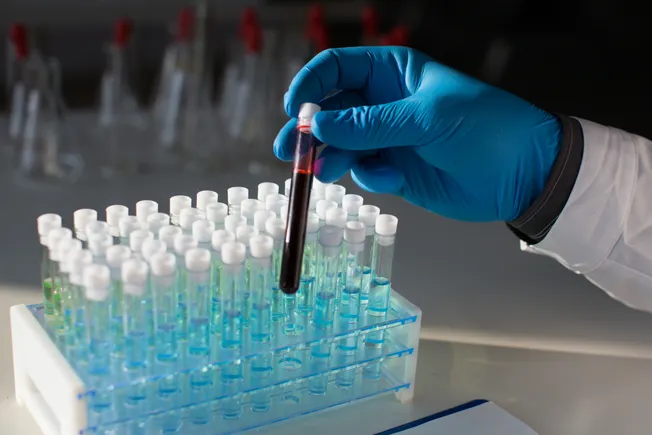
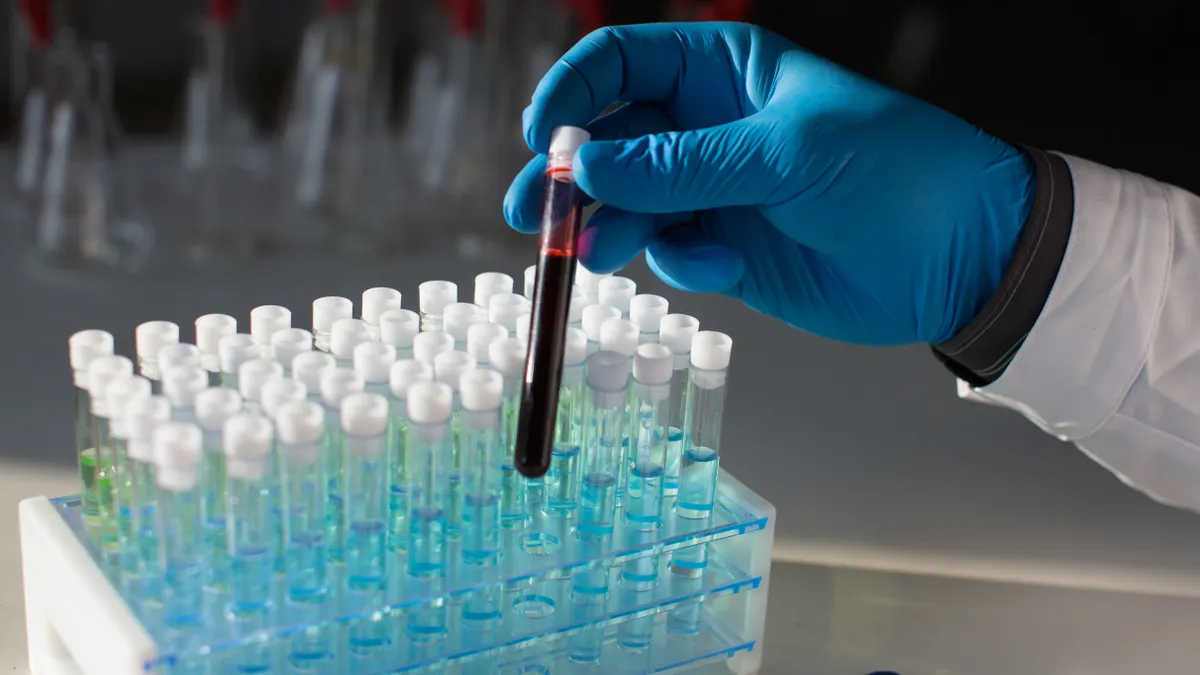
Personalis, known for its high-sensitivity genomic assays, provides a “tumor-informed” MRD test. Unlike “tumor-naive” tests, which look for general markers of cancer in the blood, tumor-informed assays require a sample of the patient’s initial tumor to create a highly personalized diagnostic fingerprint. This allows clinicians to detect minute traces of cancer recurrence—molecular residual disease—far earlier than traditional imaging techniques, such as CT or PET scans.
For Tempus, this transaction represents the evolution of a multi-year commercial strategy. The company intends to integrate Personalis’s specialized testing suite into its existing AI-driven data platform, which is already used by thousands of physicians to match patients with clinical trials and personalized treatment plans.
Chronology: From Collaboration to Consolidation
The path to this acquisition was not abrupt; it was the result of a deliberate, long-term strategic alignment.
- 2023: The Strategic Partnership: Tempus and Personalis first entered into a collaborative agreement to co-commercialize Personalis’s MRD technology. At the time, Tempus leadership had already identified Personalis as a potential acquisition target but opted for a commercial partnership instead. CEO Eric Lefkofsky noted that the timing was not yet right, as Personalis required significant capital expenditure and time to mature its MRD pipeline and secure clinical validation.
- 2024–2025: Operational Scaling: Throughout this period, Personalis focused heavily on operational excellence, increasing test volume and working toward broad insurance coverage. This period was characterized by a push to gain Medicare reimbursement, a critical hurdle for any diagnostic company looking to achieve widespread clinical adoption.
- Early 2026: Market Validation: Personalis demonstrated significant growth, reporting a 33% increase in test volume in the second quarter alone, reaching 10,384 tests. Concurrently, Tempus’s sales efforts proved successful, with the number of Personalis tests sold by Tempus rising from 5,500 in Q1 to 9,000 in Q2.
- July 2026: The Merger Agreement: With Personalis’s technology proven and the market shift toward tumor-informed assays becoming undeniable, Tempus decided to pull the trigger on a full acquisition to bring the technology fully in-house.
Supporting Data: The Case for Acquisition
The financial and clinical data supporting this acquisition provides a clear picture of why Tempus feels the investment is justified.

Financial Performance
Personalis reported preliminary revenue of $22.4 million for the second quarter of 2026. This revenue growth is directly tied to the rising adoption of its MRD testing among oncologists. The fact that Tempus itself accounted for a significant portion of these sales—selling 9,000 tests in Q2—demonstrates the massive distribution power Tempus brings to the table. By owning the underlying technology rather than just acting as a distributor, Tempus stands to capture the full margin on every test performed.
Market Dynamics: Tumor-Informed vs. Tumor-Naive
A critical factor in the deal is the technical differentiation of the two companies’ diagnostic portfolios. Tempus has long been a champion of tumor-naive MRD testing. However, the clinical market has shown a marked preference for tumor-informed assays.
During an investor call, CEO Eric Lefkofsky remarked that the market has "shifted pretty dramatically" toward tumor-informed assays in terms of volume. By owning both technologies, Tempus can now offer a comprehensive diagnostic menu:
- Tumor-Informed (Personalis): Best for patients where a tissue sample is available, offering higher sensitivity for specific monitoring.
- Tumor-Naive (Tempus): Best for scenarios where tissue is unavailable or when rapid, non-invasive screening is required.
Official Responses and Strategic Rationale
In his remarks to investors, Eric Lefkofsky emphasized that this deal was about the long-term future of oncology. "We watched Personalis grow, we tested the market with our partnership, and we saw the data prove that this is what physicians want," Lefkofsky stated.

The decision to wait until 2026 to acquire the company was described as a prudent use of capital. By waiting, Tempus allowed Personalis to navigate the "valley of death" associated with early-stage biotech, where companies often struggle with the cost of clinical trials and the slow pace of insurance reimbursement. Now that Personalis has achieved Medicare coverage for three indications, the risk profile has been substantially mitigated.
Personalis leadership, in turn, views the acquisition as the logical next step to scale their technology globally. Under the umbrella of Tempus, the Personalis diagnostic tools will have access to the extensive Tempus data network, potentially accelerating the refinement of these tests through machine learning and real-world clinical data.
Implications: The Future of Precision Oncology
The acquisition has several far-reaching implications for the medtech and diagnostic sectors:
1. The Era of the "Full-Stack" Diagnostic Company
Tempus is positioning itself as a "full-stack" provider of precision medicine. By integrating diagnostic hardware (MRD tests) with software (AI analysis) and data (clinical records), the company is creating a moat that is difficult for smaller, specialized competitors to cross. This consolidation suggests that the future of cancer care will be dominated by companies that can offer an end-to-end ecosystem rather than single-point solutions.
2. The Dominance of MRD Testing
The acquisition confirms that MRD testing is no longer a niche, experimental technology; it is becoming a cornerstone of cancer management. As these tests become more sensitive and cheaper to perform, their use will likely expand from late-stage cancer monitoring into adjuvant therapy guidance and even early screening.
3. Increased Competitive Pressure
For rivals in the blood-based cancer testing market—such as Natera, Guardant Health, and Exact Sciences—this acquisition represents a significant escalation. Tempus’s ability to combine its massive clinical dataset with a robust, tumor-informed MRD assay creates a powerful competitor that can offer oncologists a more integrated, data-rich experience.
4. Regulatory and Antitrust Scrutiny
While the deal is expected to close by early 2027, it will likely face scrutiny from federal regulators. As large players in the AI and genomics space continue to consolidate, the Federal Trade Commission (FTC) has become increasingly aggressive in reviewing deals that could limit competition in diagnostic technologies. However, given that the two companies were already in a strategic partnership, the argument for synergy and clinical benefit may outweigh concerns regarding market concentration.
Conclusion
The acquisition of Personalis by Tempus AI is a watershed moment for oncology diagnostics. By merging high-sensitivity genomics with advanced AI and a vast clinical network, Tempus is signaling that the future of cancer care lies in the synthesis of biological data and machine intelligence. As the industry watches this integration unfold, the ultimate winner will be the oncology community, which gains access to more precise, actionable insights in the fight against cancer. Whether this strategy will lead to better patient outcomes remains the ultimate metric, but for now, Tempus has firmly cemented its position at the vanguard of the digital health revolution.