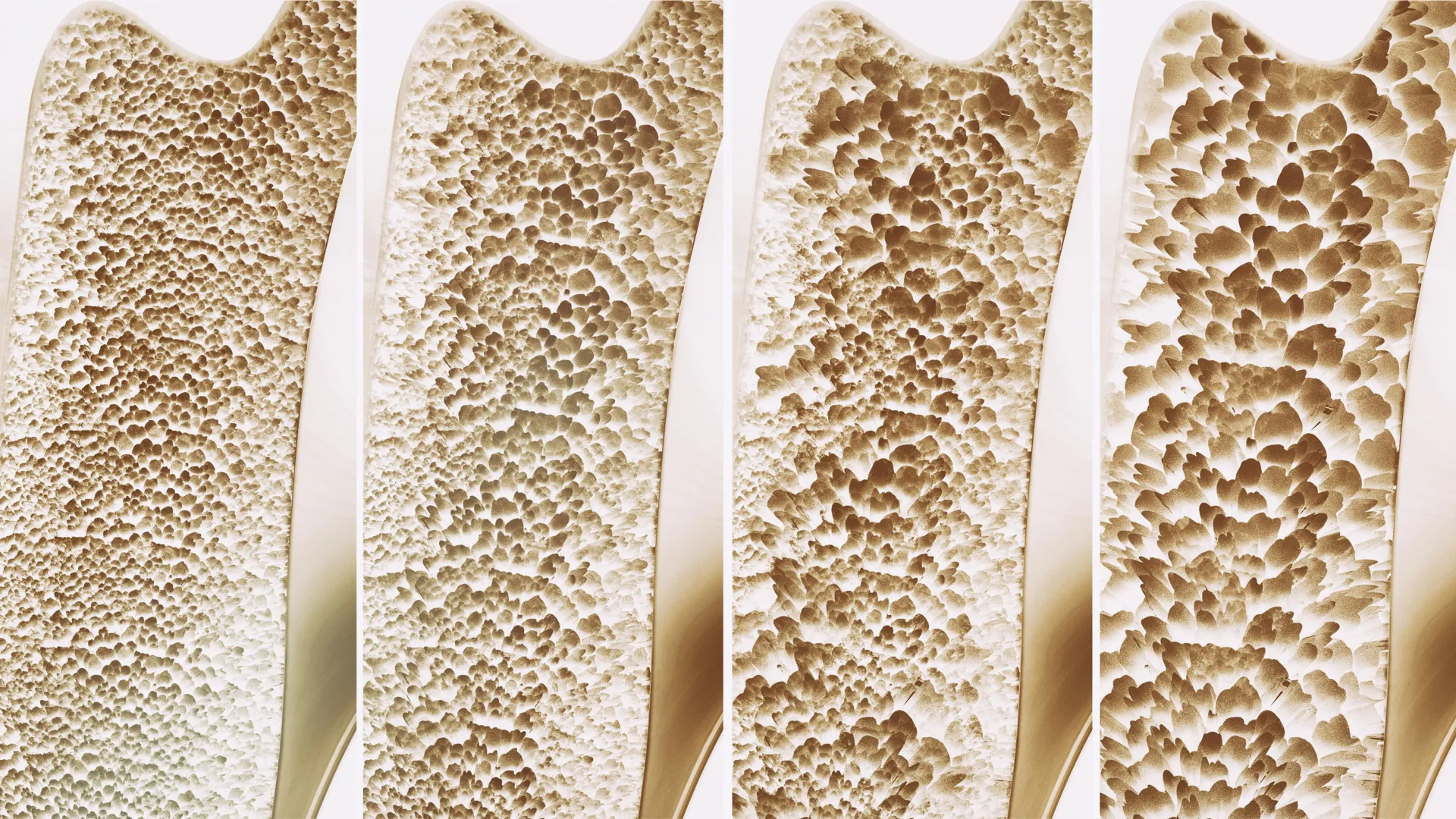
For decades, the standard prescription for aging bones has been a simple, daily regimen: calcium and vitamin D. It is a recommendation echoed by primary care physicians, geriatricians, and public health agencies worldwide, rooted in the logical premise that these nutrients are the building blocks of skeletal integrity. However, a major new comprehensive review published in The BMJ is challenging this foundational dogma, suggesting that for the vast majority of older adults, these supplements provide little to no clinically meaningful protection against the fractures and falls that threaten their independence.
The Gravity of the Problem: Falls in an Aging Population
Falls represent one of the most significant public health challenges in modern medicine. As global life expectancy increases, the demographic shift toward an aging population has turned fall prevention into a critical priority. Statistics from health organizations reveal a sobering reality: approximately one in three individuals aged 65 and older experiences at least one fall annually.
The consequences of these incidents extend far beyond the immediate trauma of a broken bone. Fractures—particularly those involving the hip—often serve as a turning point in an older person’s life. They are frequently accompanied by acute pain, prolonged hospitalization, and a sudden, precipitous decline in mobility. Perhaps most devastating is the loss of independence; many seniors who suffer a significant fracture find themselves unable to return to their previous living arrangements, necessitating long-term residential care or intensive rehabilitation. Given the massive societal and personal costs, the search for preventative measures has been relentless, leading to the widespread adoption of vitamin D and calcium supplementation as a low-cost, low-risk prophylactic strategy.
A History of Skepticism: The Evolution of Bone Health Research
The notion that vitamin D and calcium are the "silver bullets" for bone health has been debated for years, yet it remains firmly entrenched in clinical guidelines. Early observational studies suggested that higher intakes of these nutrients correlated with better bone density, leading many to assume a direct causal link to fracture prevention.
However, as randomized controlled trials (RCTs)—the gold standard of clinical research—began to proliferate, the evidence became increasingly muddied. While some studies suggested minor benefits in specific populations, many others showed no reduction in fracture risk from calcium or vitamin D when taken in isolation. Results for combined therapy were similarly inconsistent, and the role of vitamin D in maintaining neuromuscular function to prevent falls remained highly speculative. Despite this growing body of equivocal data, the popularity of these supplements has soared, driven by both industry marketing and a medical culture that favors a "proactive" approach to aging.
The BMJ Review: A Massive Data Synthesis
To cut through the noise and reconcile the conflicting evidence, a team of Canadian researchers undertook a monumental meta-analysis. Their study, published in The BMJ, synthesized data from 69 randomized controlled trials, representing a massive cohort of 153,902 participants. The objective was clear: to determine, with the highest possible level of scientific rigor, whether the routine use of these supplements actually achieves the goal of reducing falls and fractures.
The researchers categorized the studies based on the intervention—calcium alone, vitamin D alone, or a combination of both—and compared these groups against placebo or no treatment. By employing standardized methodologies to evaluate potential bias and the certainty of the evidence, the team sought to create a definitive summary of the current clinical landscape.
Analyzing the Data: Key Findings
The results of the analysis were stark. After establishing strict thresholds for what constitutes a "clinically meaningful benefit," the researchers found that:
- Calcium Supplements: Data from 11 trials involving 9,067 participants provided moderate certainty evidence that calcium alone does not offer meaningful protection against fractures.
- Vitamin D Supplements: Data from 36 trials involving 92,045 participants provided high certainty evidence that vitamin D alone is ineffective in preventing fractures or falls.
- Combined Supplementation: Data from 15 trials involving 51,126 participants—the "gold standard" of combined therapy—provided high certainty evidence that taking both together failed to yield a clinically significant improvement in bone health outcomes for the general senior population.
The findings held true across various fracture types, including the notoriously dangerous hip fractures, and across various demographics. Even when the researchers accounted for age, sex, prior history of fractures, and baseline dietary calcium intake, the conclusion remained largely unchanged.
Nuance and Limitations: When Might Supplements Still Matter?
While the findings are compelling, the research team emphasized the importance of nuance. They acknowledged that some subgroups were underrepresented in the 69 trials, meaning the findings should be interpreted with a degree of caution.
Critically, the authors noted that their results are not necessarily applicable to individuals with specific, diagnosed bone pathologies, such as severe osteoporosis or other metabolic bone disorders. Patients currently receiving pharmacological treatment for osteoporosis—such as bisphosphonates—may still require calcium and vitamin D as an adjunct to their therapy to ensure the efficacy of those drugs. For these patients, the supplements act as a nutritional foundation rather than a standalone preventative measure.
However, for the "average" healthy older adult, the data suggests that the push for universal supplementation is not backed by the evidence. The consistency of the results, even after adjusting for various confounding factors, provides a high level of confidence in the authors’ primary conclusion: that routine supplementation is not a justifiable public health intervention.
Implications for Policy and Clinical Practice
The implications of this study are profound. The researchers explicitly state that their findings "do not support routine supplementation with calcium or vitamin D, or combined supplementation to prevent fractures and falls." This represents a direct challenge to the current standard of care.
The authors have called upon clinicians, professional guideline panels, and regulatory agencies to undergo a serious re-evaluation of their existing recommendations. For years, the default position has been to recommend supplements to almost any patient over the age of 60 or 65. If this practice is to continue, it must now be justified by evidence that simply does not appear to exist in the current literature.
Medical practice often suffers from "therapeutic inertia," where established habits persist long after the evidence supporting them has been debunked or weakened. This review serves as a necessary wake-up call for the medical community to shift away from broad, population-wide supplementation and toward more targeted, evidence-based care.
A Shift in Strategy: Proven Alternatives to Supplementation
If calcium and vitamin D are not the answer to fall prevention, where should the medical community focus its resources? In a linked editorial accompanying the study, experts argued that the conversation must pivot toward strategies that have demonstrated clear, tangible benefits.
The editorial suggests that the energy currently expended on the widespread distribution and consumption of supplements would be better redirected toward:
- Balance and Strength Training: Evidence consistently shows that resistance exercise and balance training are among the most effective ways to prevent falls. By improving muscle mass and coordination, these programs directly address the physiological decline that leads to instability.
- Home Hazard Assessments: Many falls occur due to preventable environmental factors. Programs that assist seniors in identifying and mitigating hazards—such as improving lighting, removing trip hazards, and installing grab bars—have shown high success rates in reducing fall incidents.
- Personalized Risk Management: Rather than a "one-size-fits-all" supplement prescription, clinicians should focus on comprehensive, personalized fall-risk assessments. This involves reviewing medication side effects, assessing vision, and tailoring interventions to the specific, individual risk factors of each patient.
- Well-Powered Research: The editorial also calls for more rigorous, well-funded clinical trials specifically targeting high-risk populations. While we know that supplements don’t help the general population, there may still be a subset of high-risk individuals—perhaps those with extreme nutritional deficiencies—who could benefit from targeted supplementation.
Conclusion: The Path Forward
The BMJ review serves as a powerful reminder of the importance of evidence-based medicine. It highlights a common trap in public health: the reliance on intuition and biological plausibility in the absence of hard, clinical outcomes. While calcium and vitamin D are undoubtedly essential nutrients, the leap from "nutrient intake is necessary for life" to "supplementation prevents fractures" is one that the data simply does not support.
As we look to the future, the goal must be to provide care that is both effective and efficient. By moving away from the routine use of unnecessary supplements and focusing on proven, exercise-based, and individualized fall-prevention programs, the medical community can better support the health and independence of the aging population. The era of the "universal supplement" may be drawing to a close, replaced by an era of targeted, science-backed interventions that truly address the challenges of aging.