











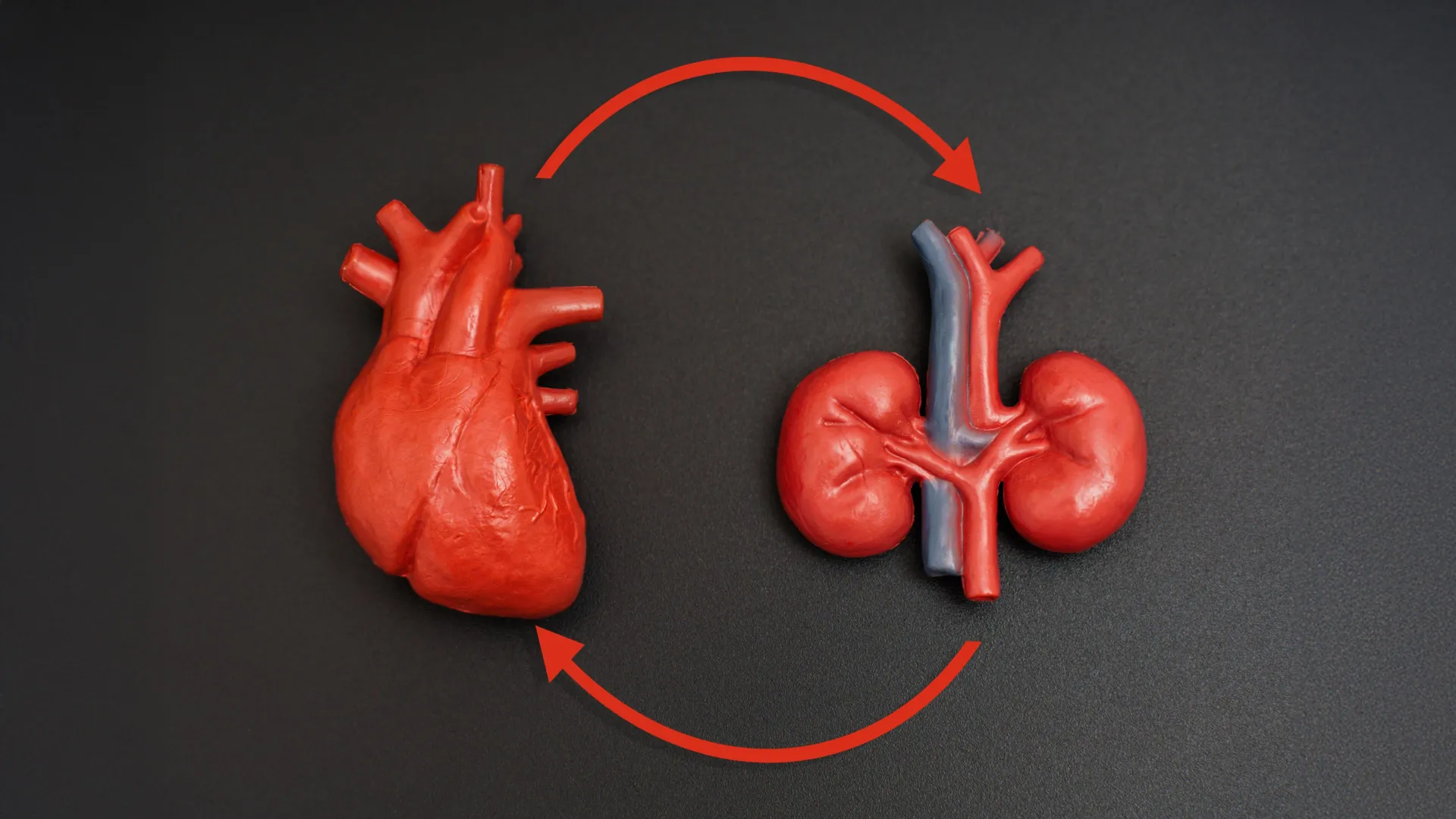
In the landscape of modern medicine, we have long treated the heart, the kidneys, and the metabolic system—the body’s engine for processing energy—as distinct territories. Physicians have traditionally specialized in these silos, addressing heart disease, diabetes, or renal failure as separate clinical entities. However, a groundbreaking shift in medical understanding is underway, one that recognizes these systems as inextricably linked. At the center of this paradigm shift is Cardiovascular-Kidney-Metabolic (CKM) syndrome, a condition that, despite its potential to affect nearly 90% of the U.S. adult population, remains largely unknown to the public.
A recent, comprehensive survey conducted by The Harris Poll on behalf of the American Heart Association (AHA) has exposed a startling disconnect: while the vast majority of Americans are living with at least one risk factor associated with CKM syndrome, most have never even heard the term. As health experts push to redefine how we approach chronic disease, the need for public awareness has never been more urgent.
The Core Facts: Defining the Syndrome
CKM syndrome is not merely a single disease; it is a clinical framework that encompasses a cluster of interconnected health issues. It is defined by the presence of heart disease, kidney disease, diabetes, and obesity, all of which share overlapping physiological pathways.
The "risk factors" that characterize CKM syndrome—high blood pressure, abnormal cholesterol levels, elevated blood glucose, excess weight, and diminished kidney function—are often viewed by patients as isolated medical concerns. When these issues occur in tandem, however, they create a synergistic, destructive effect on the body. This "clustering" of risks exponentially increases the likelihood of catastrophic outcomes, including heart attack, stroke, and heart failure, at a rate far higher than any single condition would predict on its own.
The Chronology of a New Medical Paradigm
The formal recognition of CKM syndrome as a unified health challenge is a relatively recent development in clinical medicine, but the evidence base has been building for decades.
- Early 2020s: Clinical researchers began observing that patients with type 2 diabetes were significantly more likely to develop chronic kidney disease, which in turn accelerated cardiovascular complications. This "vicious cycle" led to the development of the CKM model.
- August 2025: The American Heart Association commissioned a nationwide survey to gauge public understanding of this emerging health framework. The poll of 4,007 U.S. adults revealed that while the syndrome is rampant, public literacy is virtually non-existent.
- The Road to 2026: In response to these findings, the AHA is aggressively moving to educate both the public and medical professionals. The organization has announced that it will publish the first-ever formal clinical guidelines for the management of CKM syndrome in early 2026, marking a pivotal moment in standardized care.
Supporting Data: The Scope of the Crisis
The data provided by the American Heart Association and The Harris Poll paint a sobering picture of the health of the American public. With approximately 90% of adults harboring at least one risk factor, the syndrome is not a niche condition—it is the baseline reality for the vast majority of the population.
The survey, which carried a 95% confidence level with a margin of error of ± 2.0 percentage points, revealed that the demographic reach of CKM risk is broad. Because the risk factors—weight, blood pressure, and glucose levels—are heavily influenced by lifestyle, environment, and genetics, the syndrome cuts across almost every socioeconomic boundary.
Most importantly, the data suggests that there is a profound appetite for knowledge. Upon learning the definition of CKM syndrome, nearly three-quarters of survey respondents expressed a desire to understand the condition better and learn how to mitigate their risks. This suggests that the "knowledge gap" is not due to a lack of interest, but a lack of accessible, unified information.
Official Perspectives: The Case for Coordinated Care
Dr. Eduardo Sanchez, the American Heart Association’s chief medical officer for prevention, views the lack of public awareness as a significant hurdle, but one that can be cleared with better communication.
"We want people to know that it’s really common to have heart, kidney and metabolic risk factors at the same time," Dr. Sanchez stated. "The heart, kidney, and metabolic systems are connected and, as such, should be treated in a coordinated way. These results reveal the need to emphasize those connections and help patients understand the importance of collaborative care."
Dr. Sanchez emphasizes that the "full circle" nature of the body requires a "full circle" approach to treatment. By monitoring blood pressure, cholesterol, weight, blood sugar, and kidney function in a unified way, patients can stop the cycle of deterioration before it progresses to advanced heart failure or stage-five kidney disease.
The Mechanisms: How the Systems Interlink
To understand CKM syndrome, one must view the body as an integrated network. The metabolic system, which creates and stores energy, is the foundation. If a patient experiences insulin resistance or obesity, the metabolic system becomes strained. This strain causes systemic inflammation and hormonal changes that directly impact the blood vessels (leading to heart issues) and the filtration units of the kidneys.
Once the kidneys begin to struggle, they can no longer regulate fluid balance or waste filtration effectively, which in turn raises blood pressure—further damaging the heart. This creates a harmful feedback loop where the heart struggles to pump against high pressure, causing further damage to the kidneys, which in turn worsens metabolic health. Breaking this cycle requires identifying the syndrome early, often through subtle markers in lab results that physicians might otherwise overlook if they are only focused on a single specialty.
Implications: The Path Toward Reversibility
Perhaps the most encouraging aspect of the CKM syndrome framework is the potential for reversal. Unlike some genetic conditions that are fixed, the factors driving CKM syndrome—dietary habits, physical activity levels, and blood chemistry—are highly responsive to intervention.
The American Heart Association’s "CKM Health Initiative" is the primary vehicle for this change. The initiative is designed to provide both the public and clinicians with the tools to identify the syndrome at its earliest, most reversible stages. By providing an online resource hub, the AHA is attempting to bridge the gap between complex clinical research and actionable daily habits.
For the healthcare industry, the implication is a move away from "siloed" medicine. The association is working with medical systems nationwide to ensure that a patient seeing a cardiologist is also being monitored for metabolic health, and that a primary care physician managing diabetes is simultaneously keeping a close eye on renal function.
Moving Forward: Resources and Awareness
As the medical community prepares for the release of the 2026 clinical guidelines, the focus remains on empowering the individual. The AHA has released educational videos that simplify the "two truths" of heart health, using plain language to explain that these systems are not separate—they are a single, interconnected unit of health.
For healthcare professionals, the AHA provides interdisciplinary resources at heart.org/CKMtools, which details how to implement collaborative care models. The initiative is bolstered by the support of organizations like Novo Nordisk, Boehringer Ingelheim, Novartis, Bayer, and DaVita, reflecting a broad industry consensus that CKM syndrome is a priority area for the future of chronic disease management.
Conclusion
The emergence of CKM syndrome as a formal medical framework is a watershed moment in public health. By acknowledging that the heart, kidneys, and metabolism form a single functional unit, we can move away from reactive, fragmented care and toward a model of preventative, holistic health. While the survey data shows that we have a long way to go in terms of public literacy, the willingness of the American public to engage with this information is a promising sign.
With 90% of adults at risk, the "silent epidemic" of CKM syndrome is likely touching the life of every reader. The good news is that the silence is ending. Through education, interdisciplinary clinical care, and a renewed focus on the interconnectedness of our vital systems, the path toward better, more sustainable health is clearer than ever. The key, as Dr. Sanchez notes, is to treat the whole person, not just the single symptom.