








For decades, the narrative surrounding lung cancer has been tethered to a single, powerful culprit: tobacco. Public health campaigns have successfully solidified the link between smoking and lung malignancy in the collective consciousness, leading to a significant decline in smoking rates across much of the developed world. Yet, as the prevalence of smoking drops, oncology wards are reporting an unsettling trend. A growing cohort of patients—individuals who have never touched a cigarette—are receiving lung cancer diagnoses, challenging the traditional understanding of the disease.
Medical researchers are now identifying lung cancer in never-smokers (LCINS) not merely as an anomaly, but as a distinct biological entity. This shift in understanding is forcing a re-evaluation of diagnostic protocols, environmental awareness, and personalized treatment strategies.
Main Facts: A Distinct Disease Landscape
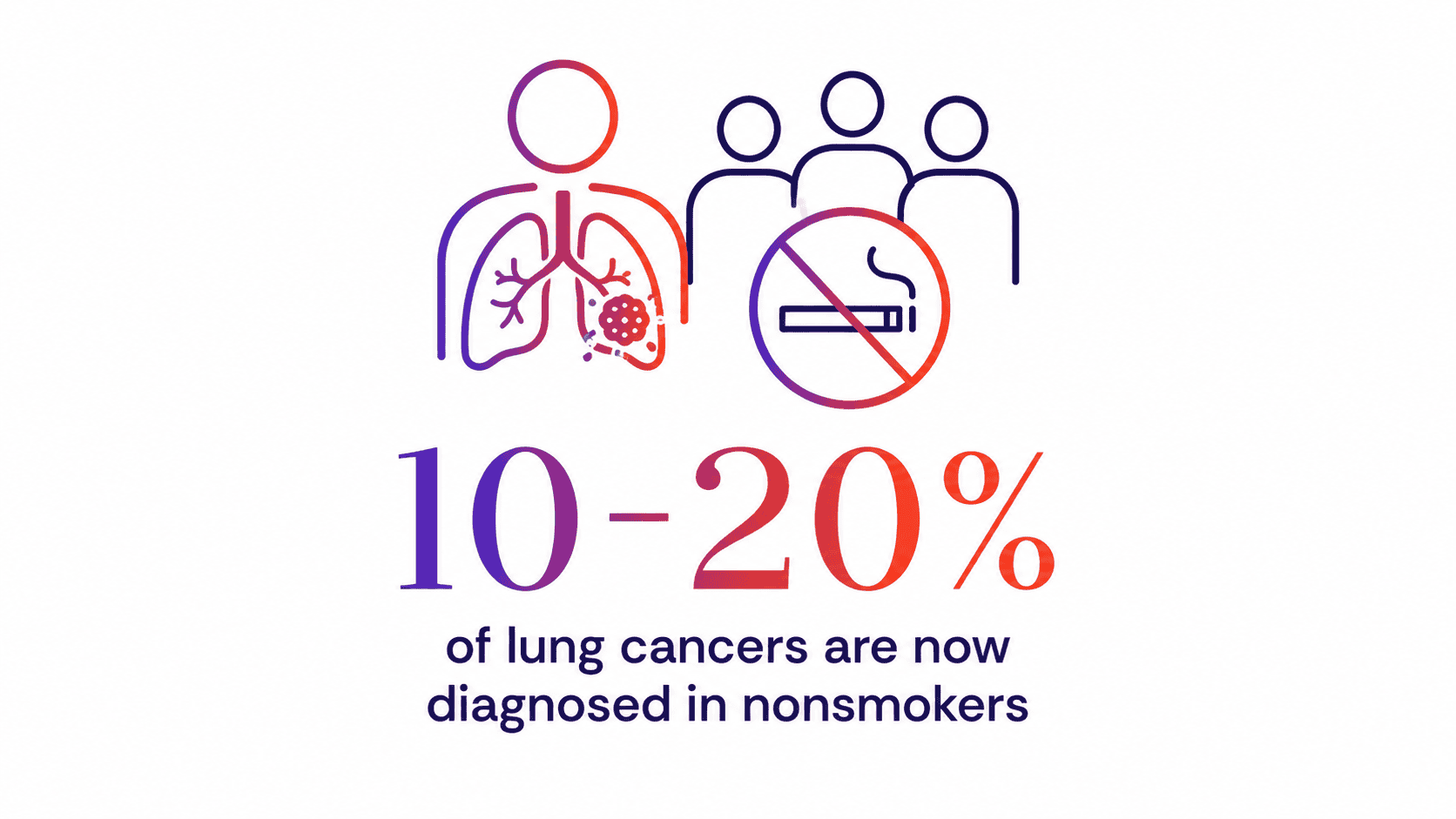
Lung cancer in never-smokers is no longer a footnote in clinical oncology; it is a burgeoning public health challenge. Current estimates suggest that 10% to 20% of all lung cancer diagnoses occur in individuals with no history of smoking. Unlike the lung cancers of the past century, which were characterized by the massive accumulation of DNA damage caused by decades of tobacco-derived carcinogens, LCINS is often driven by a limited number of specific, identifiable gene mutations.
This disease disproportionately affects certain demographics. Data indicates that two-thirds of those diagnosed with LCINS are women, with a notably higher incidence among women of Asian descent. This disparity suggests a complex interplay between genetic predisposition, hormonal influences, and environmental triggers that scientists are only beginning to parse.
The most common subtype of this disease is adenocarcinoma, a form of non-small cell lung cancer (NSCLC). Because these tumors behave differently at a molecular level compared to smoking-induced small cell lung cancer (SCLC), the traditional "one-size-fits-all" approach to chemotherapy is increasingly giving way to precision medicine.
Chronology: The Evolution of Awareness
The realization that lung cancer exists independently of smoking is the result of decades of clinical observation and longitudinal study.
- 1980s–1990s: Epidemiological studies begin to note a persistent "baseline" of lung cancer cases in non-smokers. At the time, these cases were often attributed to "bad luck" or hidden exposures to secondhand smoke, but they remained secondary to the overwhelming focus on tobacco cessation.
- 2000s–2010s: The emergence of genomic sequencing allows scientists to look inside the tumor. Researchers discover that LCINS tumors often carry distinct "driver mutations," such as those in the EGFR, ALK, or ROS1 genes. This discovery marks the birth of targeted therapy, as drugs are developed specifically to "switch off" these mutated proteins.
- 2020s: The global medical community formally recognizes LCINS as a distinct disease entity. Discussions shift toward the role of the "exposome"—the totality of environmental exposures—as researchers realize that factors like PM2.5 air pollution and radon gas are acting as primary drivers in this population.
- 2026: Climate change and the intensification of wildfire seasons bring the issue to the forefront of public health policy, as extreme pollution events in urban centers like New York City force a national conversation about air quality and its long-term carcinogenic potential.
Supporting Data: The Environmental Drivers
The rise of LCINS is not likely the result of a single factor, but rather a perfect storm of environmental and genetic risks. Understanding these triggers is essential for preventative medicine.
Secondhand Smoke
While smoking rates have plummeted, the legacy of secondhand smoke remains. Containing over 7,000 chemicals—at least 70 of which are known carcinogens—secondhand smoke causes chronic inflammation in the bronchial linings. Even brief, intermittent exposure can accumulate over a lifetime, damaging the delicate cellular machinery that protects lung tissue.
The Radon Threat
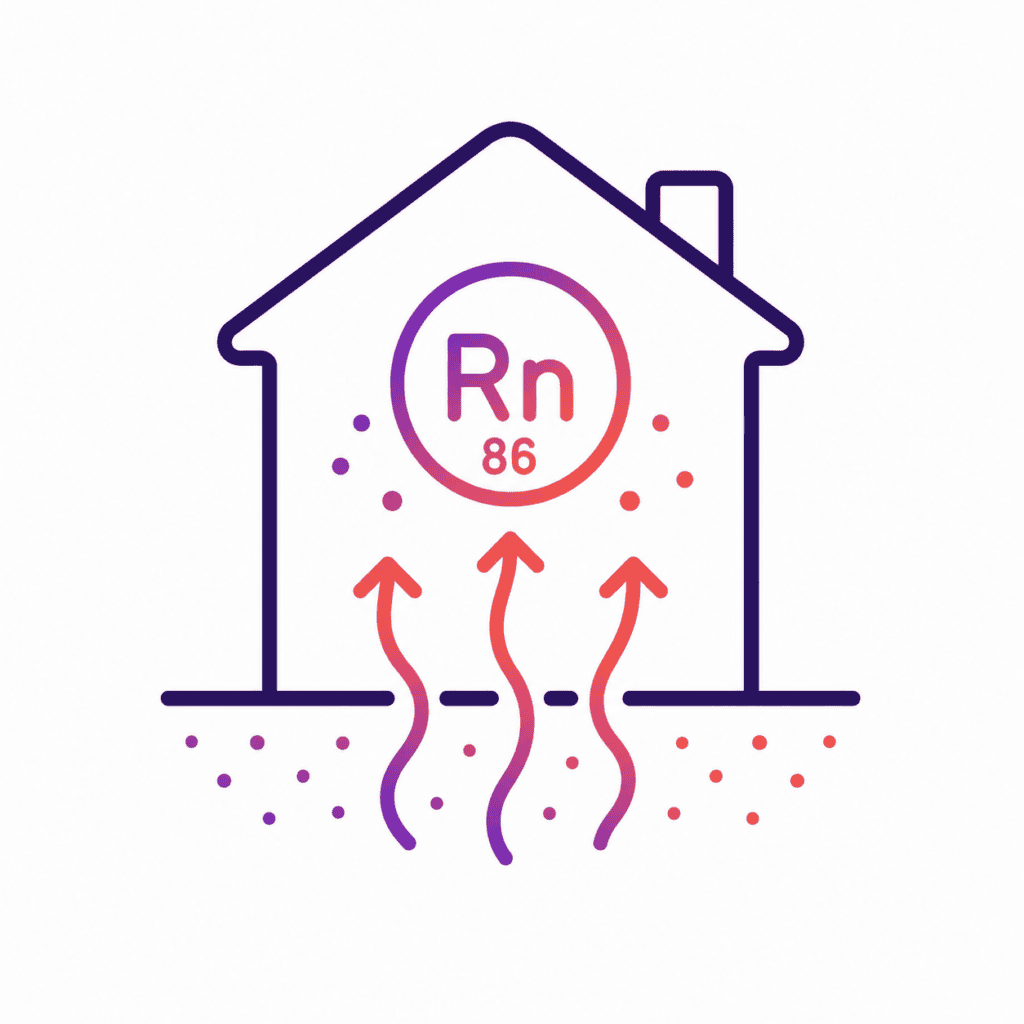
Perhaps the most overlooked, yet preventable, risk factor is radon gas. As a naturally occurring byproduct of uranium decay in the Earth’s crust, radon is colorless, odorless, and tasteless. It enters homes through cracks in foundations and settles in lower levels. Because it emits radioactive particles that lodge in the lungs, it is the leading cause of lung cancer in non-smokers. Health organizations emphasize that radon mitigation—installing ventilation systems to vent gas away from living spaces—is a critical, yet underutilized, defense.

Air Pollution and PM2.5
The World Health Organization (WHO) has set a recommended limit for fine particulate matter (PM2.5) at 5 µg/m³. However, global disparities are vast. In many regions, concentrations frequently exceed 50 µg/m³. These particles are so small they penetrate deep into the alveolar sacs of the lungs. Research has confirmed that these particles do more than irritate; they can actively trigger new genetic mutations, effectively "priming" the lung tissue for cancerous transformation. The 2026 wildfire season, which saw air quality index (AQI) values spike to hazardous levels, served as a grim reminder that climate-driven pollution is now a significant variable in the cancer risk equation.
Official Responses and Clinical Implications
The medical establishment is currently facing a "diagnostic gap." Because current screening guidelines in many countries are strictly limited to adults over 50 with a history of heavy smoking, younger, non-smoking patients are frequently diagnosed only after their disease has reached an advanced stage.
Symptoms—such as a persistent cough, shortness of breath, or unexplained chest pain—are often dismissed as asthma, seasonal allergies, or post-viral fatigue. By the time a diagnostic scan is ordered, the window for early, curative intervention may have closed. Advocacy groups are now lobbying for a revision of screening protocols to include individuals with high-risk environmental exposures, even in the absence of a smoking history.
Treatment: The Move Toward Personalization
The management of LCINS has shifted from blunt-force chemotherapy to precision oncology. Because these tumors often lack the high "mutational burden" found in smoking-related cancers, they are sometimes less responsive to standard immunotherapy (checkpoint inhibitors) that works by "unmasking" cancer to the immune system.
Instead, the gold standard for LCINS is now molecular profiling. By analyzing the tumor’s biopsy for specific mutations, oncologists can prescribe "targeted therapies"—oral medications that inhibit the specific proteins fueling the tumor’s growth.
- EGFR Inhibitors: Designed for patients with specific genetic EGFR mutations.
- ALK/ROS1 Inhibitors: Highly effective at controlling tumors driven by these chromosomal rearrangements.
- Combination Therapies: Recognizing that single-agent treatments may eventually face resistance, researchers are now trialing "cocktail" approaches, combining targeted agents with novel immunotherapy backbones to ensure the immune system stays engaged.
Looking Ahead: A New Paradigm for Lung Health
The rising tide of lung cancer in non-smokers is a signal that our environment and our genetics are in a state of flux. As researchers continue to map the biology of LCINS, the focus is shifting toward three pillars: improved detection, aggressive environmental regulation, and genetic screening.

We are moving away from the era where a lung cancer diagnosis was synonymous with a history of smoking. While this provides a more nuanced understanding of the disease, it also places a greater burden on individuals to be aware of their indoor air quality and to advocate for themselves when respiratory symptoms persist.
Every new discovery in the genomic landscape of LCINS brings us closer to a future where lung cancer is not a terminal diagnosis, but a manageable condition. However, until that future is fully realized, the path forward requires a global commitment to clean air, increased awareness of silent environmental hazards like radon, and a willingness to break the stigma that has kept the "non-smoking" lung cancer patient in the shadows for far too long.
As we look toward the next decade of oncology, the goal is clear: to ensure that when a patient walks into a clinic, they are treated based on the unique biological reality of their cancer, regardless of their past.