










In the high-stakes world of cancer immunology, the greatest threat to a cure is not just the disease itself, but the potential loss of the brilliant minds tasked with defeating it. In October 2025, the Cancer Research Institute (CRI) took a definitive stand against this threat by unveiling the IGNITE Award (Inspiring Growth and Nurturing Independence Through Excellence). Designed to serve as a bridge over the precarious "valley of death" that early-career researchers face when transitioning from postdoctoral training to independent faculty positions, this bold initiative seeks to stabilize a scientific workforce currently besieged by economic instability and a tightening landscape of federal funding.
The State of the Scientific Workforce: A Crisis of Sustainability
For decades, the path to becoming an independent principal investigator (PI) in cancer research has been narrow and fraught with obstacles. However, in recent years, the hurdles have transformed into a systemic crisis. Early-career scientists are grappling with a "triple threat": a shrinking job market for academic faculty, institutional budgets that have failed to keep pace with inflation, and a stagnation in federal grant support—specifically from the National Institutes of Health (NIH).
These headwinds create a precarious environment where some of the most promising scientific minds are forced to abandon their research careers just as they reach their peak creative potential. The risk to the field of immunotherapy is profound; if the pipeline of innovation is severed, the breakthrough treatments of 2040 may never reach the clinical trial phase.
The IGNITE Award was conceived precisely to dismantle these barriers. By providing a multi-year, stable funding mechanism, the CRI is ensuring that the "best and brightest" have the financial security to pursue high-risk, high-reward research without the paralyzing fear of short-term budget cuts.
The Mechanics of IGNITE: A Five-Year Commitment
The IGNITE Award distinguishes itself from traditional grant programs through its unique structure, which spans the critical transition period of a researcher’s career. The program offers up to five years of comprehensive support, bifurcated into two distinct phases:
- The Postdoctoral Phase (Years 1–2): During the initial two years, fellows receive mentored support that allows them to deepen their expertise, publish foundational research, and solidify their preliminary data. This period is vital for establishing the competitive edge required to launch a successful lab.
- The Independent Faculty Phase (Years 3–5): The program’s true innovation lies in the three-year follow-up period. Upon transitioning to an independent faculty position, the award continues to provide essential funding. This creates a "soft landing," allowing the new investigator to establish their research group, hire staff, and apply for subsequent large-scale federal grants without the immediate, crushing pressure to secure funding within their first few months on the job.
By bridging the gap between the bench and the boardroom, the CRI is not just funding projects; it is investing in the longevity of individual careers.
Official Perspectives: The Visionaries Behind the Initiative
The selection committee for the IGNITE Award, chaired by some of the most respected figures in immunology, views the program as a vital defensive measure for the scientific ecosystem.
"If we don’t protect this next generation of researchers, we risk losing the very people who will drive the discoveries of tomorrow," explains E. John Wherry, PhD, an associate director of CRI’s Scientific Advisory Council and co-chair of the IGNITE Award selection committee. Dr. Wherry emphasizes that the current climate is fundamentally different from decades past, requiring a proactive, philanthropic response. "IGNITE fills this gap and ensures that the best and brightest can thrive, regardless of the broader economic volatility."
Lewis Lanier, PhD, also a member of the Scientific Advisory Council and co-chair of the selection committee, echoes this urgency. "We really needed a new mechanism to give a transition for these very talented postdoctoral scholars who are then looking to take the next step and create their own lab," Dr. Lanier notes. "It’s very difficult to get money from the NIH at the moment, and we didn’t want to lose out on the top-tier talent that keeps immunotherapy at the cutting edge of medicine."
Alicia Zhou, PhD, CEO of the Cancer Research Institute, frames the initiative as a continuation of the organization’s legacy. "CRI has always invested in people whose discoveries redefine what is possible in cancer treatment," Dr. Zhou states. "Through IGNITE, we are ensuring that the next generation of scientists can stay in the field and lead the future of immunotherapy. We aren’t just funding the research; we are building the infrastructure of the future."
The Inaugural Class: A Snapshot of Tomorrow’s Leaders
The launch of the IGNITE Award culminates in the announcement of its inaugural class of fellows. These eight researchers represent the next frontier of cancer science, having been selected from a highly competitive pool of applicants.
The diversity of this cohort is a reflection of the breadth of the current immunotherapy landscape. The inaugural fellows are based at eight different institutions, ensuring that the impact of the program is geographically and institutionally dispersed. Furthermore, their research projects target seven distinct cancer types, ranging from common solid tumors to rare, aggressive malignancies that have historically lacked effective treatment options.
The inclusion of these fellows marks a shift in how foundations approach "talent management" in science. Rather than focusing solely on the end result, the CRI is focusing on the practitioner. By providing this cohort with the autonomy to pursue their own research agendas, the CRI is fostering an environment where innovation is not dictated by the current trends of grant-funding bodies, but by the intellectual curiosity of the scientists themselves.
Supporting Data: Why Timing Matters
The urgency behind the IGNITE program is supported by longitudinal data regarding the "age of first funding." Historically, the average age of a first-time NIH R01 grant recipient has crept steadily upward, now hovering well into the mid-to-late 40s. This delay is catastrophic for early-career scientists, as it forces them to spend their most productive, creative years in a state of professional limbo.
- The Funding Gap: Studies show that nearly 40% of postdocs intending to pursue academic careers report that they are reconsidering due to the scarcity of independent funding.
- The Attrition Rate: Approximately 30% of high-potential researchers leave academia within five years of completing their postdoctoral training.
- The Multiplier Effect: The CRI’s investment is designed to have a "multiplier effect." By funding the first three years of an independent lab, the CRI provides the "proof of concept" data that makes these researchers significantly more likely to receive substantial federal grants later in their careers.
Implications for the Future of Cancer Treatment
The long-term implications of the IGNITE Award extend far beyond the immediate financial support of eight scientists.
1. Stabilizing the Innovation Pipeline
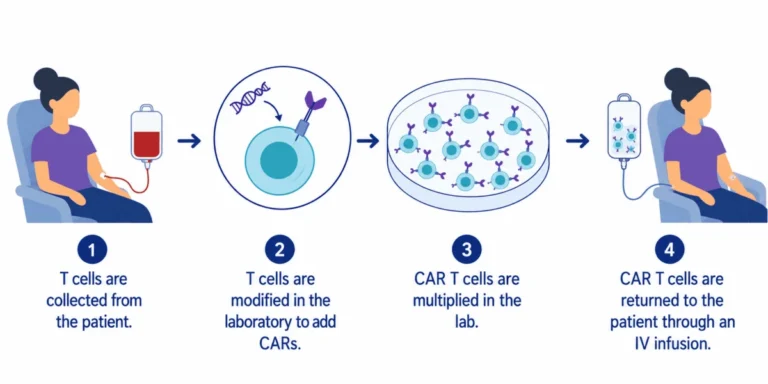
By ensuring that the transition to faculty is less volatile, the CRI is protecting the "innovation pipeline." Immunotherapy—specifically CAR-T cell therapy, checkpoint inhibitors, and cancer vaccines—requires decades of iterative research. If the workforce is unstable, that iterative process breaks down.
2. Diversifying Research Agendas
When scientists are constantly chasing "safe" federal grants, they are less likely to pursue radical, paradigm-shifting ideas. The IGNITE Award, by providing multi-year stability, grants these researchers the "intellectual luxury" to explore high-risk, high-reward hypotheses that might otherwise be deemed too speculative by traditional review committees.
3. A Model for Other Foundations
The CRI’s model serves as a proof-of-concept for other philanthropic organizations. If the IGNITE Award succeeds in keeping its inaugural cohort within the academic research sector, it will likely serve as a blueprint for other disease-focused foundations, potentially creating a new industry standard for supporting early-career scholars.
Conclusion: A New Dawn for Immunotherapy
The launch of the IGNITE Award in late 2025 serves as a rallying cry for the scientific community. It acknowledges that the old ways of nurturing scientific talent are no longer sufficient in an era of rapid technological advancement and systemic economic constraints.
By placing its confidence—and its capital—in the hands of the next generation, the Cancer Research Institute is not just betting on the individual researchers; it is betting on the future of humanity’s fight against cancer. As these eight fellows begin their journey, they carry with them the weight of expectations, but also the freedom of support. They are the architects of the next wave of immunotherapy breakthroughs, and through the IGNITE program, they have finally been given the tools to build.
As the scientific community watches the progress of these fellows over the coming five years, the success of the IGNITE Award will be measured not just by the papers published or the grants won, but by the sheer number of brilliant minds who remained in the lab, driven by the belief that a cure is not only possible but inevitable. In the face of unprecedented headwinds, the CRI has provided a steady wind at the backs of those who need it most.