











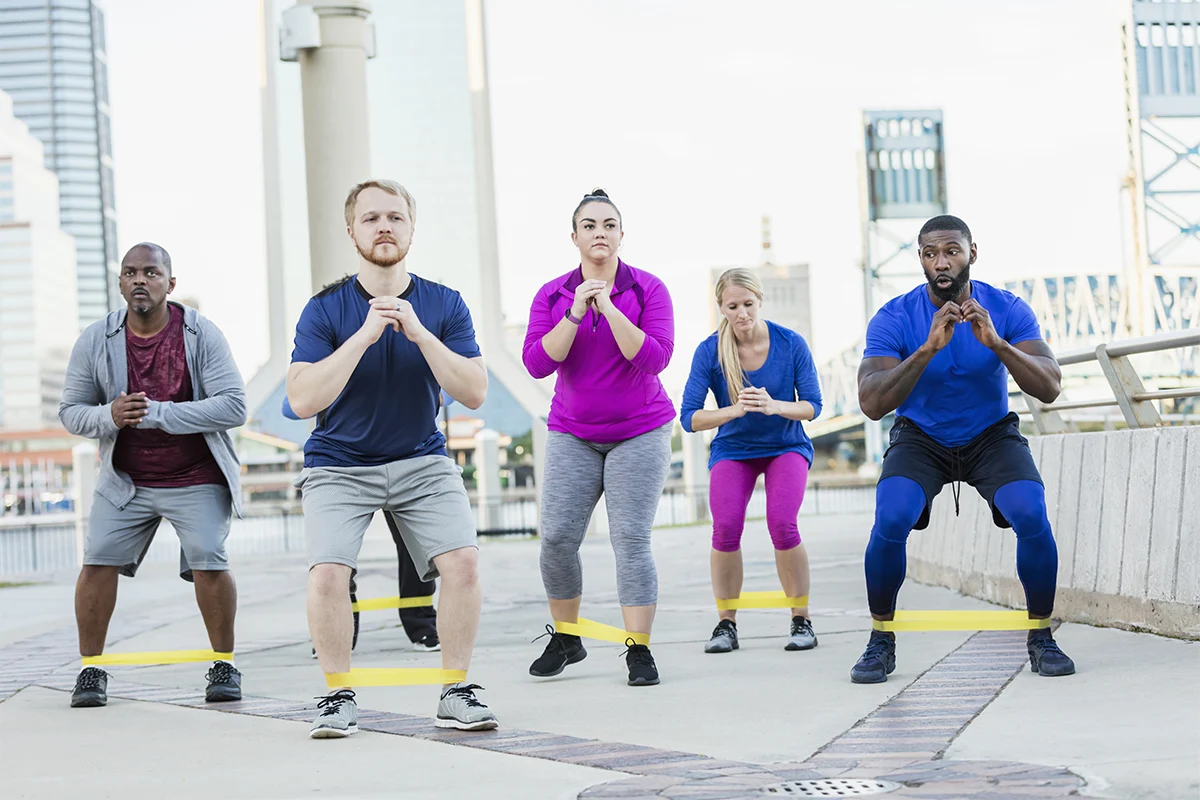
For decades, the fitness industry was defined by the four walls of the gymnasium—the rhythmic thrum of treadmills, the scent of industrial cleaner, and the fluorescent glare of overhead lighting. However, a seismic shift is currently underway. Across the globe, an increasing number of individuals are opting to abandon traditional brick-and-mortar health clubs in favor of "wild" workouts. From pop-up calisthenics classes in local parks to organized hiking collectives and sunrise yoga on public beaches, the fitness landscape is moving into the open air.
This transition is not merely a fleeting trend; it represents a fundamental re-evaluation of how, where, and why we move our bodies. As participants prioritize social connection, mental restoration, and sensory variety, the "gym-as-a-hub" model is facing its most significant challenge in the modern era.
Main Facts: The Migration to Natural Environments
The primary driver behind this shift is the desire for an experience that transcends the mechanical repetition of gym equipment. Outdoor fitness has evolved into a multifaceted ecosystem. Today, participants are engaging in high-intensity interval training (HIIT) on urban plazas, participating in "green exercise" walking groups, and joining community-based endurance programs that leverage natural topography rather than artificial inclines.
The core appeal lies in the lack of confinement. For many, the gym has become a symbol of mundane obligation, whereas the outdoors offers an element of unpredictability. Whether it is navigating uneven terrain during a trail run or adjusting to the resistance provided by natural wind or incline, the body is forced to engage differently than it does on a stationary machine. This variety prevents the "plateau effect," both physically and psychologically, keeping participants engaged for longer periods.
Chronology: From Niche Pursuit to Global Phenomenon
The trajectory of the outdoor fitness movement can be categorized into three distinct phases over the past twenty years:
1. The Pre-Digital Era (2000–2010): The Niche Pioneers
In the early 2000s, outdoor fitness was largely the domain of specialized groups: military-style "boot camps" and dedicated running clubs. These groups operated on word-of-mouth and local bulletin boards. While they fostered intense loyalty, they remained on the periphery of the broader wellness industry, which was busy consolidating its market share through large-scale gym chains.
2. The Catalyst of Accessibility (2010–2019): The Tech-Enabled Rise
The rise of smartphone technology and social media platforms fundamentally altered the landscape. Apps like Strava, Meetup, and various community-focused social media groups allowed outdoor fitness enthusiasts to coordinate, track, and publicize their activities with ease. This period saw the "democratization" of the outdoors; suddenly, someone interested in hiking or urban walking could find a group of like-minded individuals in minutes.
3. The Great Re-evaluation (2020–Present): The Post-Pandemic Standard
The global pandemic served as the definitive accelerant. As indoor gyms were shuttered globally, millions of people were forced to seek exercise in parks, sidewalks, and forests. When gyms eventually reopened, a significant portion of the population did not return. They had discovered the intrinsic value of outdoor movement—the fresh air, the lack of membership fees, and the ability to exercise without the scrutiny of a gym environment. This has solidified outdoor fitness as a permanent pillar of the modern wellness industry.
Supporting Data: The Science of "Green Exercise"
The transition to outdoor fitness is backed by a growing body of academic research. Studies into "green exercise"—defined as physical activity undertaken in natural environments—suggest that the benefits extend far beyond caloric expenditure.
Mental Health and Mood Regulation
A landmark study published in the Journal of Environmental Science and Technology analyzed multiple trials and concluded that even short bouts of outdoor activity led to significant improvements in self-esteem and mood. Researchers found that the presence of nature, even in urban green spaces, acts as a buffer against psychological stress. The "attention restoration theory" suggests that the complex, soft-focus environment of nature allows the brain to recover from the "directed attention fatigue" caused by the constant stimulation of modern life and screens.
Exercise Adherence and Enjoyment
One of the most persistent hurdles in the fitness industry is "adherence"—the ability of a client to stick to an exercise regimen over time. Data indicates that individuals who exercise outdoors are more likely to report higher levels of enjoyment compared to those who exercise indoors. This perceived enjoyment is the strongest predictor of long-term adherence. When a workout is viewed as an adventure or a social outing rather than a chore, the drop-out rate diminishes significantly.
Physiological Variability
From a biomechanical standpoint, the outdoors offers "unstructured loading." Unlike a treadmill that moves at a constant speed, outdoor movement requires constant micro-adjustments in balance and stabilization. Research suggests that this recruits a wider variety of stabilizer muscles, potentially leading to more functional, "real-world" strength.
Official Responses: Industry Shifts and Urban Planning
The traditional fitness industry has not remained stagnant in the face of this change. Gym operators and urban planners are now scrambling to adapt to the new reality.
The Pivot of the Fitness Industry
Many gym franchises are now offering "hybrid memberships." These allow members to use the indoor facilities for weightlifting and locker room amenities while gaining access to outdoor group training sessions led by the gym’s instructors. By "bringing the gym outside," these companies are attempting to retain members who might otherwise cancel their contracts for a cheaper, outdoor-only alternative.
Government and Urban Planning
Recognizing the public health implications, municipal governments are increasingly investing in "active design." Cities from Copenhagen to Seattle are integrating "fitness trails" into urban planning, installing permanent bodyweight stations in parks, and improving trail connectivity. A spokesperson for a leading urban wellness initiative stated: "We are no longer just building parks for recreation; we are building outdoor gyms to support public health. Providing free, accessible infrastructure is the most effective way to address the sedentary crisis."
Implications: The Future of Wellness
The movement toward outdoor fitness has profound implications for the future of health and society.
A Socially Connected Future
As loneliness becomes a growing public health concern, the social aspect of outdoor fitness is proving to be a potent antidote. Unlike the solitary nature of the gym—where members often wear headphones and avoid eye contact—outdoor groups encourage conversation, team-based goals, and community bonding. These "third places" (spaces that are neither work nor home) are vital for community cohesion.
Economic Shifts
The shift toward the outdoors poses a threat to traditional fitness real estate. High-overhead gym models are being forced to justify their costs. In response, we are seeing a shift toward "minimalist" gyms that focus on specialized equipment that cannot be replicated outdoors (such as heavy lifting rigs), leaving the cardio and group-class components to the public sector.
Environmental Stewardship
There is a symbiotic relationship forming between fitness enthusiasts and the environment. As people spend more time in parks, forests, and beaches for their physical health, they become more invested in the preservation of those spaces. This "environmental fitness" loop suggests that the more we move in nature, the more we are inclined to protect it.
Conclusion
The migration from the gym to the great outdoors is not a rejection of fitness; it is a rejection of the limitations of the past. By blending physical exertion with the restorative power of nature and the warmth of social connection, the outdoor fitness movement is providing a more holistic approach to health.
As we look toward the future, the integration of public policy, technological accessibility, and a changing cultural mindset suggests that the most successful "gym" of the 21st century may not have a roof at all. For the millions of individuals currently lacing up their shoes to head into the park, the horizon is the only limit to their wellness journey.