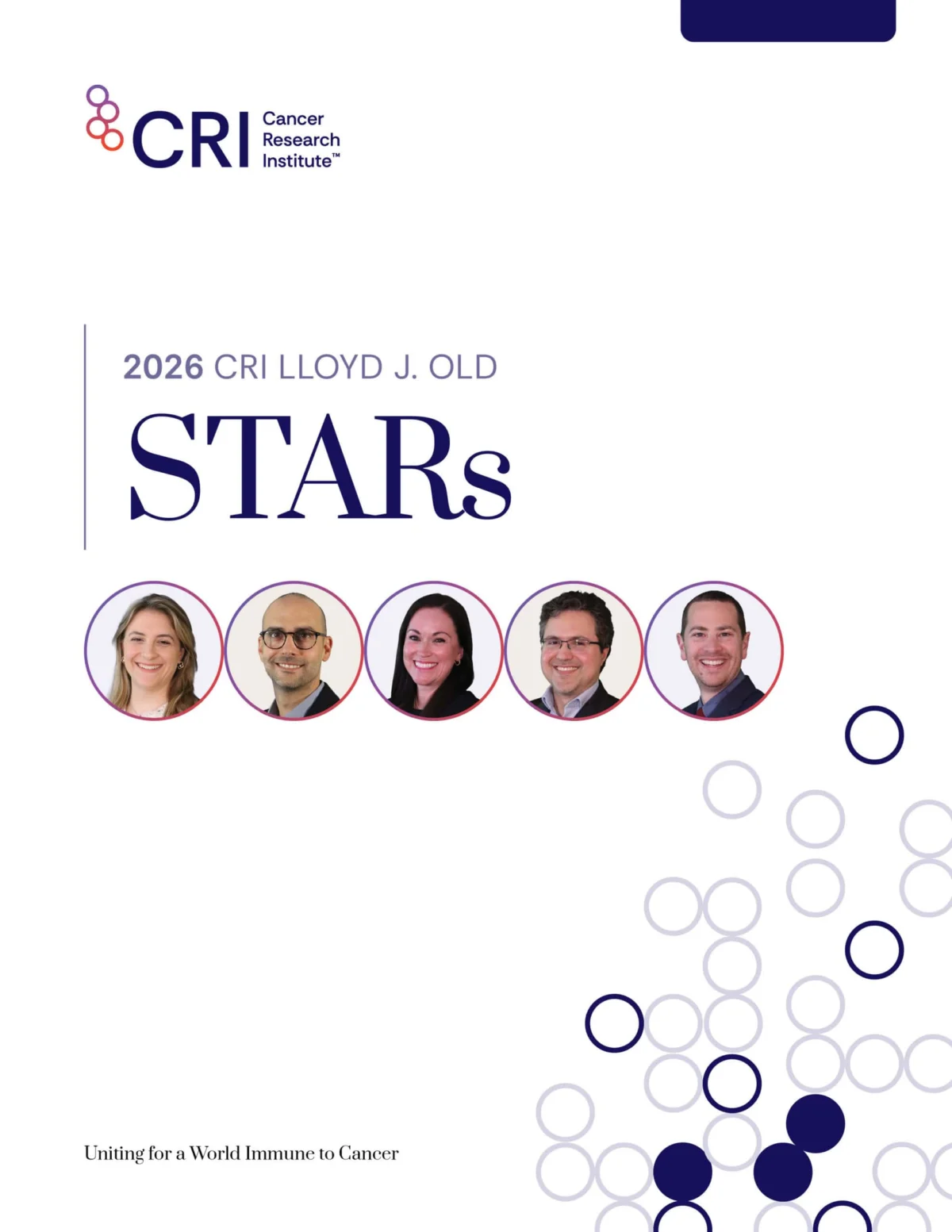
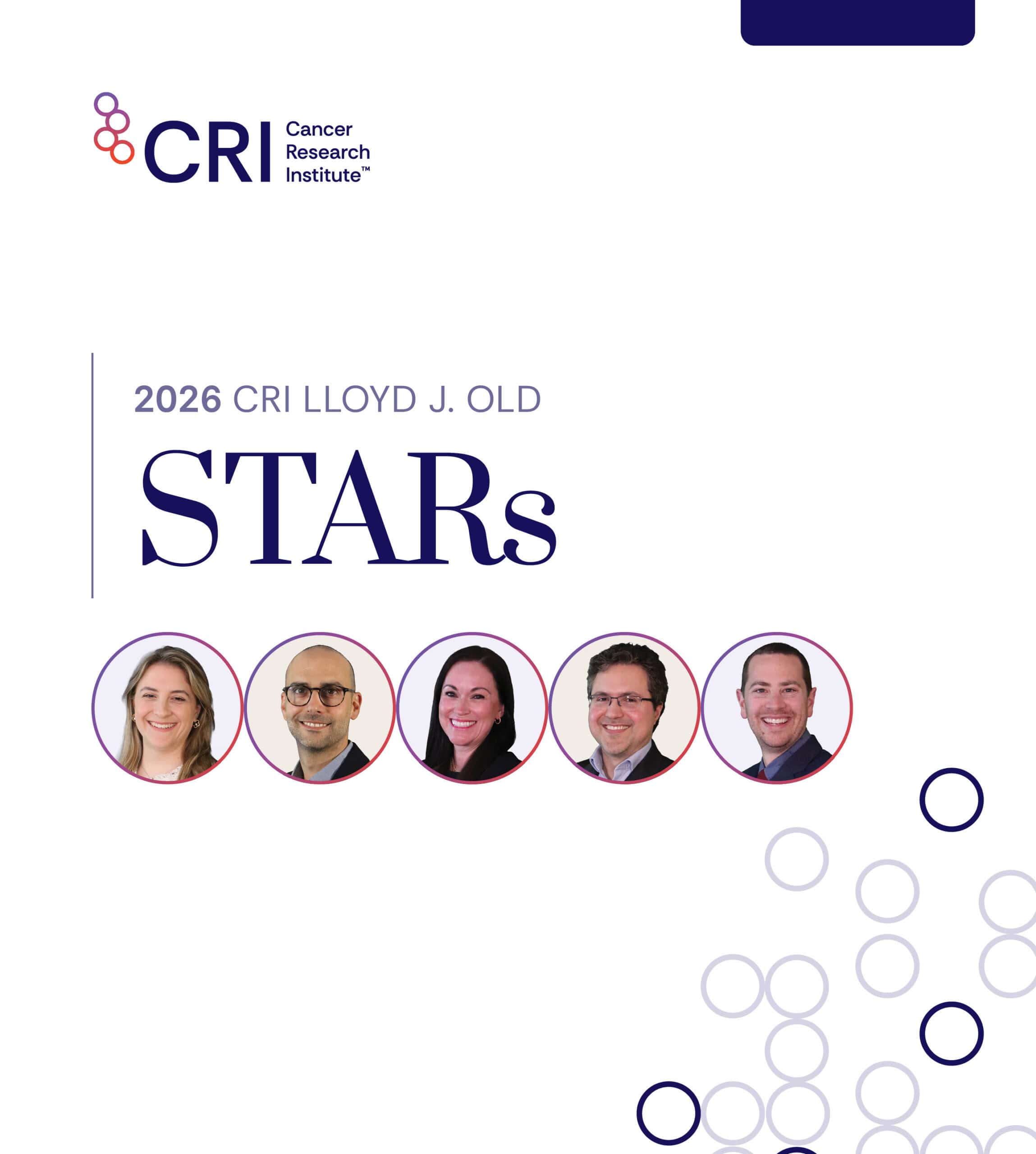
In the high-stakes world of oncology, where the margins between success and failure are often measured in cellular responses and immune memory, the Cancer Research Institute (CRI) has once again identified the vanguard of the next generation. The announcement of the 2026 class of Lloyd J. Old STARs—Scientists Taking Risks—marks a pivotal moment in the organization’s history. By awarding five of the world’s most promising researchers $1.25 million each in flexible funding, the CRI is not merely providing a grant; it is fueling a paradigm shift in how we approach the most stubborn of human diseases.
The Essence of the Lloyd J. Old STAR Program
The Lloyd J. Old STAR program was conceived with a singular, audacious goal: to identify and empower the "disruptors" of cancer immunology. Named in honor of the late Dr. Lloyd J. Old, often hailed as the father of modern tumor immunology, the program targets researchers who have moved beyond the initial stages of their careers and are now poised to make systemic changes to the therapeutic landscape.
The program is distinct for its "no-strings-attached" philosophy. Unlike traditional grants that mandate rigid project milestones, STAR awards are designed to support the scientist rather than the specific experiment. This flexibility allows awardees to pivot, adapt, and pursue high-risk, high-reward avenues of inquiry that might otherwise be dismissed by more conventional funding bodies.
A Chronology of Visionary Support
To understand the weight of the 2026 class, one must look at the legacy of the CRI. Since its inception, the Institute has operated under the belief that the immune system holds the key to curing cancer.
The Early Days and the "Old" Legacy
In the mid-20th century, the notion that the immune system could be harnessed to fight cancer was considered radical, even fringe. Dr. Lloyd J. Old, however, persisted, identifying the markers and mechanisms that would eventually lead to the development of checkpoint inhibitors and CAR T-cell therapies. The STAR program serves as the institutional embodiment of his "take risks" ethos.
Evolution of the Award
The grant structure has evolved over the decades to match the accelerating pace of biological discovery. By the time the program reached the 2020s, it had become a barometer for the health of the field. The 2026 cohort represents the culmination of a multi-year selection process that evaluates candidates not just on their publication history, but on their ability to conceptualize the "next big thing" in immunology.
Supporting Data: The Case for Flexible Funding
The efficacy of the STAR program is backed by a robust internal analysis by the CRI. Data from previous classes show that flexible funding leads to a higher rate of "cross-pollination" between disciplines. When scientists are not tethered to a specific grant application, they are significantly more likely to:
- Integrate multi-omics data: Accessing expensive, high-throughput technologies that allow for a deeper understanding of the tumor microenvironment.
- Foster cross-institutional collaboration: Utilizing the funds to bridge the gap between bench research and clinical bedside applications.
- Accelerate failure: In high-risk research, identifying what doesn’t work is as valuable as identifying what does. The flexibility of the STAR award allows researchers to "fail fast," redirecting resources away from dead ends and toward breakthrough innovations.
The $1.25 million award, distributed over five years, functions as a form of scientific venture capital. It removes the administrative burden of constant grant-writing, effectively buying the researchers the one thing they cannot create: time to think deeply and experiment boldly.
Official Responses: Voices from the Scientific Advisory Council
The selection of the 2026 class was a rigorous endeavor, overseen by the CRI’s Scientific Advisory Council. The council members, who are themselves titans in the field, emphasized the necessity of supporting "the person, not the project."
Dr. E. John Wherry on "Jet Fuel"
Dr. E. John Wherry, Associate Director of the CRI’s Scientific Advisory Council, provided perhaps the most vivid metaphor for the program’s intent. "These are people who are hitting their stride scientifically and career-wise," Dr. Wherry remarked. "This is where you really want to put some jet fuel in the tank. At this stage, a scientist has the technical expertise to execute complex trials, but they often lack the financial autonomy to take the biggest risks. We are removing that bottleneck."
Dr. Elizabeth Jaffee on Identifying Leadership
Dr. Elizabeth Jaffee, also an Associate Director, highlighted the long-term strategic vision behind the selections. "We aren’t just looking for someone who had a good paper last year," Dr. Jaffee explained. "We’re picking people who are really our next leaders in the field of immunotherapy. We want to ensure that twenty years from now, these individuals are the ones defining the global standard of care for patients."
Implications: Reshaping the Future of Oncology
The implications of the 2026 STAR awards extend far beyond the laboratory. By supporting these five leaders, the CRI is influencing the direction of global cancer research in three critical areas:
1. Advancing Beyond Checkpoint Inhibitors
While checkpoint inhibitors have revolutionized the treatment of melanoma and lung cancer, they remain ineffective for a significant portion of patients. The 2026 STARs are currently investigating "cold" tumors—cancers that are essentially invisible to the immune system. Their research seeks to identify new ways to "heat up" these tumors, turning them into targets that the immune system can recognize and destroy.
2. Personalized Immunotherapy
The future of cancer care is undeniably personalized. Several of the 2026 awardees are focusing on the intersection of artificial intelligence and immunology. By leveraging machine learning to predict how a specific patient’s immune system will respond to therapy, these scientists are moving us closer to a "precision medicine" model where the treatment is as unique as the patient’s genetic profile.
3. Overcoming Resistance
One of the most pressing challenges in immunotherapy is acquired resistance, where a patient initially responds to treatment but later experiences a relapse. The high-risk research supported by the STAR program is specifically designed to uncover the molecular mechanisms behind this resistance. By understanding how tumors evolve to hide from immune cells, these researchers are developing next-generation interventions that prevent the tumor from "learning" to evade treatment.
A Call to Action for the Scientific Community
The 2026 Lloyd J. Old STARs serve as a reminder that science is an inherently human endeavor. It requires not just intellectual rigor, but courage—the courage to challenge existing dogmas and the resilience to persist in the face of scientific ambiguity.
The CRI’s investment is a signal to the broader research community that the era of "safe" science must give way to a more ambitious, risk-tolerant approach. If the goal is to turn cancer from a lethal disease into a manageable or curable condition, then the scientific community must embrace the very ethos of the STAR program: take the risks that others avoid, ask the questions that others fear, and never lose sight of the patient waiting at the end of the research pipeline.
As we look toward the next five years, the impact of these five scientists will likely ripple through oncology departments and clinical trial centers worldwide. Their work is a testament to the belief that with the right support, the right people, and the right degree of freedom, we are closer than ever to the final, necessary victory over cancer.
About the Cancer Research Institute (CRI):
The Cancer Research Institute is the world’s leading nonprofit organization dedicated exclusively to harnessing the immune system’s power to conquer all cancers. Since 1953, the CRI has supported the research of the world’s most brilliant scientists, leading to the development of life-saving immunotherapies that are currently treating millions of patients globally. For more information, visit cancerresearch.org.