For decades, the medical community has operated under a standardized playbook for preventing secondary strokes: manage cholesterol, reduce fatty plaque buildup in the arteries, and prescribe antiplatelet medications like aspirin. However, a groundbreaking study published in the journal Circulation suggests that for one of the most common and debilitating forms of stroke—lacunar ischemic stroke—this playbook may be fundamentally flawed.
By shifting the focus from large-artery plaque to the intrinsic health of the brain’s microvasculature, researchers have uncovered a new diagnostic pathway that could change the future of neurological care, dementia prevention, and stroke rehabilitation.
Main Facts: A Shift in Pathological Understanding
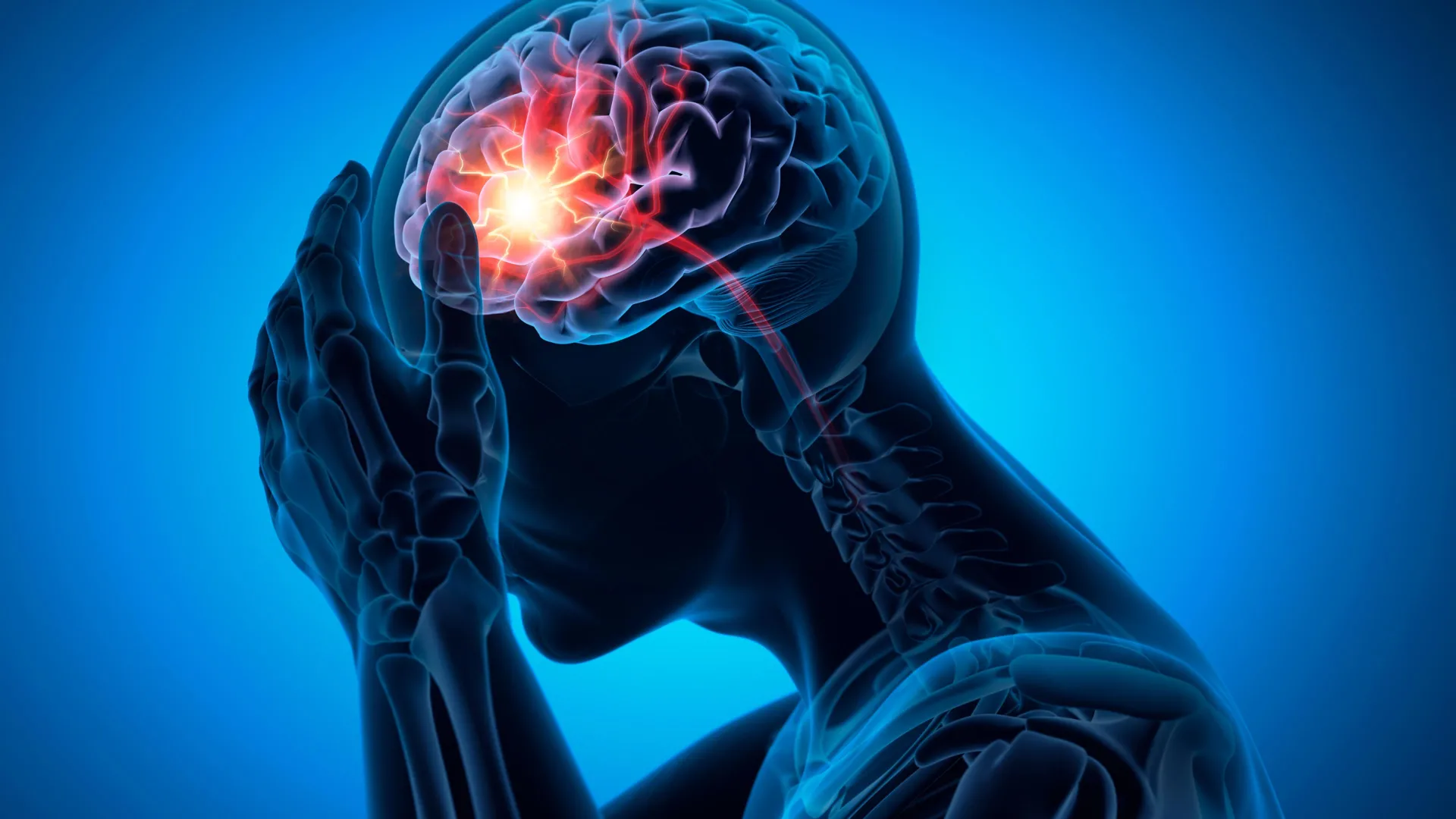
Lacunar stroke, which occurs deep within the brain, is a major contributor to long-term disability, cognitive decline, and vascular dementia. Historically, clinicians have categorized it as a result of "atherosclerosis"—the accumulation of fatty deposits that narrows arteries. Because of this, treatment strategies have focused on the same mechanisms used for heart attacks and large-vessel strokes.
The new study, led by the University of Edinburgh and the UK Dementia Research Institute, upends this consensus. The findings reveal that lacunar stroke is not primarily a disease of "blocked pipes" caused by cholesterol plaque. Instead, it is a disease of "damaged structure," driven by the dilation, widening, and elongation of the brain’s smallest blood vessels. This structural breakdown, known as small vessel disease (SVD), appears to be the primary culprit behind both the initial stroke and the progressive, often silent, damage that follows.
The core implication is simple but profound: if the stroke is not caused by fatty buildup, then medications designed to prevent such buildup—such as standard antiplatelet therapy—are likely missing the mark. This explains the persistent frustration of clinicians whose patients suffer recurrent, "silent" strokes despite strict adherence to traditional secondary prevention protocols.
The Chronology of the Investigation
The path to this discovery was paved by a longitudinal analysis of 229 participants who had recently experienced either a lacunar stroke or a mild non-lacunar stroke. The researchers employed a rigorous methodology to track the evolution of vascular health over a one-year period.
Initial Evaluation and Baseline Scanning
Shortly after their initial stroke, participants underwent comprehensive clinical and cognitive assessments. Simultaneously, they were subjected to high-resolution MRI brain scans. These images provided a "snapshot" of the brain’s vascular state, allowing researchers to differentiate between patients with large-artery atherosclerosis and those exhibiting signs of small vessel disease.
The One-Year Follow-Up
The power of the study lies in its longitudinal nature. Exactly one year after the initial event, the participants returned for follow-up MRI scans. This allowed the team to track whether new areas of brain injury had occurred, effectively measuring the "progression" of the disease in real-time. By comparing the initial scans to the follow-up data, the researchers could correlate specific vascular changes with the incidence of new, asymptomatic "silent" strokes—small, localized areas of tissue death that occur without obvious outward symptoms but contribute to long-term cognitive deterioration.
Supporting Data: Artery Widening as the "Smoking Gun"
The data analysis revealed a stark contrast between large-artery narrowing and small-artery widening.
Debunking the Large-Artery Hypothesis
The research team found that the narrowing of large arteries—the hallmark of conventional cardiovascular disease—was not statistically associated with lacunar stroke. While large-artery narrowing was indeed present in other forms of stroke, it failed to act as a predictor for new brain damage in the lacunar stroke group.
The Correlation with Arterial Dilation
Conversely, the widening and elongation of small arteries emerged as a powerful clinical indicator. The data showed that patients who exhibited these specific structural changes were more than four times more likely to have experienced a lacunar stroke. Furthermore, this arterial widening was inextricably linked to:
- Increased Severity of SVD: The more pronounced the dilation, the more severe the underlying small vessel disease.
- Faster Progression: Patients with widened vessels showed a significantly higher rate of new brain tissue damage during the one-year follow-up period.
- Silent Stroke Incidence: Perhaps most alarmingly, more than one in four participants experienced new "silent" strokes during the study period, despite being on standard preventive medications.
This suggests that the brain’s microvasculature undergoes a fundamental, structural transformation that renders traditional, plaque-targeting drugs largely ineffective.
Official Responses and Expert Perspective
The research has garnered significant attention from the global neurological community, as it provides a mechanistic explanation for clinical failures that have puzzled doctors for years.
Professor Joanna Wardlaw, Group Leader at the UK Dementia Research Institute and Professor of Applied Neuroimaging at the University of Edinburgh, emphasized the clinical urgency of these findings.
"This study provides strong evidence that lacunar stroke is not caused by fatty blockage of larger arteries, but by disease of the small vessels within the brain itself," Professor Wardlaw stated. "Recognizing this distinction is crucial, because it explains why conventional treatments like antiplatelet drugs are not as effective for this type of stroke and highlights the urgent need to develop new therapies that target the underlying microvascular damage."
The research team, which included international collaborators from China and Mexico, highlighted that the study was made possible through a robust consortium of funders, including the UK Medical Research Council, the Alzheimer’s Society, the British Heart Foundation, and the Wellcome Trust. This level of cross-disciplinary support underscores the growing recognition that small vessel disease is a critical, yet neglected, component of the dementia and stroke epidemic.
Implications: A New Era of Targeted Therapy
The findings published in Circulation are not merely academic; they are already actively guiding the next generation of clinical trials. The most prominent of these is the LACI-3 (LACunar Intervention Trial 3).
Beyond Antiplatelets
The failure of standard antiplatelet therapy in the study group acts as a catalyst for a paradigm shift. If the problem is not plaque, the solution cannot be solely about thinning the blood or reducing cholesterol. Instead, the focus must shift to protecting the structural integrity of the vessel walls themselves.
The LACI-3 Strategy
The LACI-3 trial is currently evaluating whether specific, existing medications—such as cilostazol and isosorbide mononitrate—can offer protection to the brain’s smallest vessels. These drugs act on different pathways than traditional aspirin or statins:
- Cilostazol: A vasodilator that also helps inhibit platelet aggregation through different mechanisms than aspirin.
- Isosorbide Mononitrate: Often used for heart conditions, it acts as a vasodilator that may improve blood flow regulation in the brain’s delicate micro-circuitry.
By testing these drugs, researchers hope to mitigate the progression of SVD, reduce the frequency of silent strokes, and, ultimately, preserve cognitive function and mobility in patients who have already suffered a lacunar event.
A Path Toward Dementia Prevention
Because lacunar strokes and small vessel disease are major precursors to vascular dementia, this research has implications far beyond stroke prevention. By stabilizing the brain’s micro-vessels, clinicians hope to slow the rate of cognitive decline in aging populations. The ability to identify high-risk patients via MRI markers of arterial widening—rather than waiting for a stroke to occur—could eventually lead to earlier, prophylactic interventions.
Conclusion: A Call to Action
The findings from the University of Edinburgh and their partners represent a significant maturation of our understanding of brain health. For decades, the "clogged pipe" model of cardiovascular health has dominated, but the "leaky or widened vessel" model of the brain now demands equal, if not greater, attention.
As the medical community moves forward, the integration of these findings into clinical practice will be essential. For patients, it offers hope that the "silent" progression of brain damage might soon be quieted by therapies that finally address the root of the problem. For researchers, it sets a clear mandate: continue to look beyond the large arteries, for the most critical battles against stroke and dementia are being fought in the brain’s smallest, most delicate vessels.