











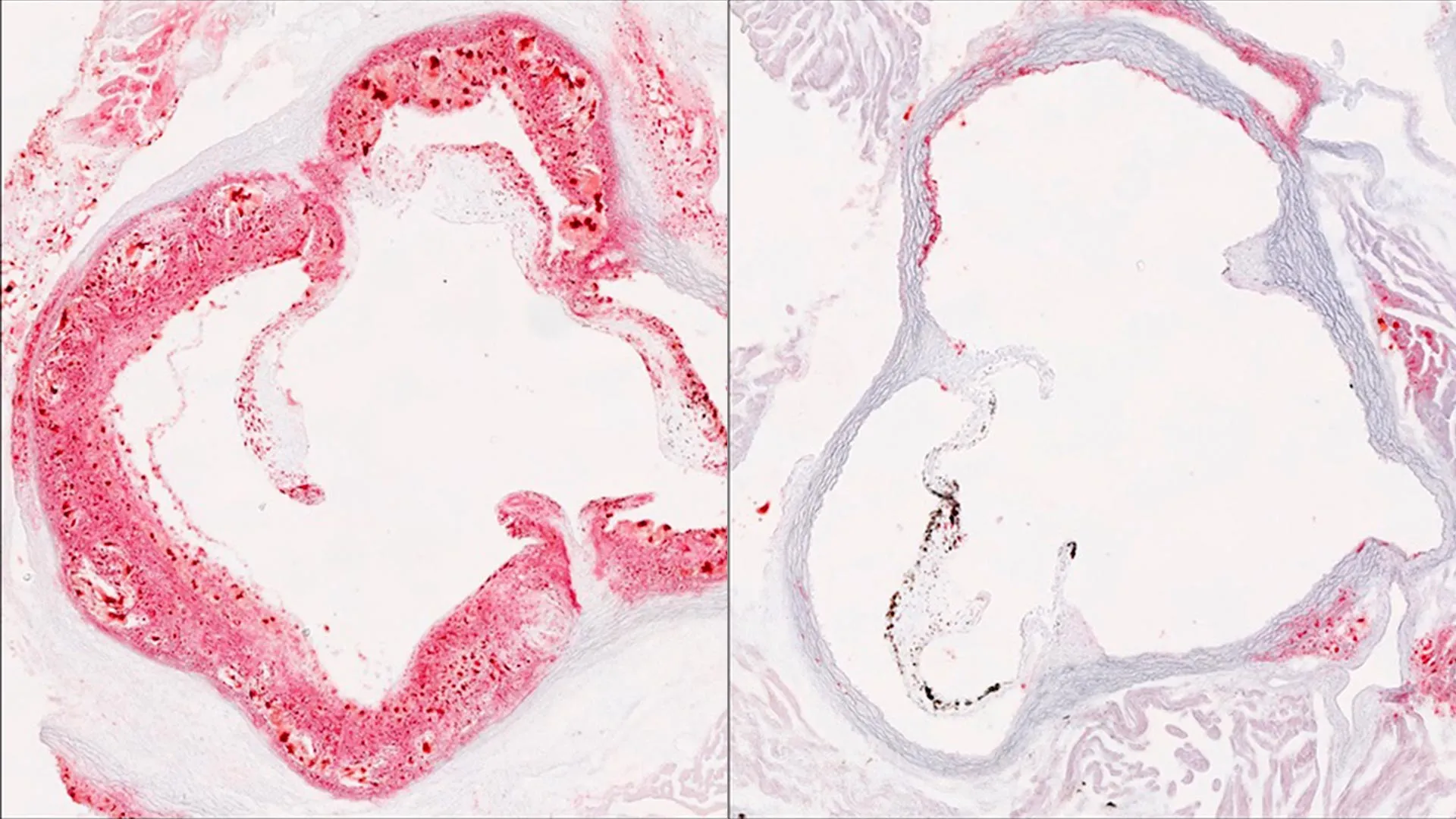
In a landmark study that could redefine the pharmacological landscape of cardiovascular and metabolic medicine, researchers at UT Southwestern Medical Center have identified a critical protein that serves as a molecular "control knob" for cholesterol transport. This discovery, published in the prestigious journal Circulation, sheds new light on the intricate machinery the liver uses to release cholesterol-carrying particles into the bloodstream, offering a potential breakthrough in the treatment of heart disease and fatty liver conditions.
The protein in question, known as HELZ2, operates at a fundamental level of gene expression, providing a new target for therapies that could one day provide an alternative or a supplement to current gold-standard treatments like statins.
The Architecture of Cholesterol Transport
To understand the significance of this discovery, one must first understand the logistics of human metabolism. The liver acts as the body’s primary distribution hub for fats and cholesterol. To transport these substances through the blood—which is primarily water-based—the liver packages them into lipoproteins.
The construction of these lipoproteins is contingent upon a structural protein called apolipoprotein B (apoB). The gene APOB provides the blueprint for these proteins. Historically, medical science has focused on managing cholesterol levels after these lipoproteins are already circulating in the bloodstream. However, the team at UT Southwestern has identified a mechanism that intervenes much earlier, during the "transcription" phase, effectively intercepting the instructions before the protein is even manufactured.
Chronology of the Discovery
The road to identifying HELZ2 was paved by decades of innovation in genetic screening. The discovery process was anchored by a sophisticated, large-scale genetic screening platform developed by Nobel laureate Dr. Bruce Beutler, Director of the Center for the Genetics of Host Defense at UT Southwestern.
The Initial Observation
The research began with an observation of anomalous fat accumulation in the livers of laboratory mice. Scientists noticed that some mice exhibited a peculiar metabolic profile: while their blood cholesterol levels were remarkably low, their livers were disproportionately burdened with stored fat. This phenotypic "seesaw" prompted an investigation into the underlying genetic mutations.
Pinpointing the Protein
Using the Beutler lab’s advanced screening techniques, researchers identified a specific gain-of-function mutation. This mutation effectively "turned up" the activity of the HELZ2 protein. Upon closer inspection, the team realized that the heightened activity of HELZ2 was directly linked to the stability of APOB messenger RNA (mRNA).
Validation and Mechanism
By manipulating HELZ2 levels in controlled environments, the team confirmed that HELZ2 acts as a gatekeeper. When HELZ2 levels rise, the lifespan of APOB mRNA is significantly curtailed. Because the mRNA carries the vital instructions for protein synthesis, its rapid degradation means the liver cells produce fewer apoB proteins, leading to a bottleneck in lipoprotein formation. Conversely, when HELZ2 is suppressed, the "message" persists, leading to higher levels of apoB production.
Supporting Data: The Delicate Metabolic Balance
The findings present a compelling, albeit complex, trade-off. In the study, mice with the HELZ2 mutation demonstrated:
- Reduced Atherosclerotic Risk: Lower production of LDL cholesterol and triglycerides resulted in a marked decrease in plaque buildup in the arteries, the primary precursor to heart attacks and strokes.
- The Liver Fat Paradox: The reduction in circulating cholesterol was mirrored by an increase in intrahepatic lipid accumulation. This suggests that the liver, unable to package fats into lipoproteins for export, stores them internally.
This trade-off is central to the researchers’ characterization of HELZ2 as a "dial." The metabolic system is not binary; it is a fluid, shifting environment where energy is either circulating for systemic use or sequestered for storage. Understanding this balance is critical, as any therapeutic intervention targeting HELZ2 must account for the potential side effects on liver health.
Official Responses and Expert Perspective
The senior author of the study, Dr. Zhao Zhang, Assistant Professor in the Center for the Genetics of Host Defense and Internal Medicine at UT Southwestern, views this discovery as a paradigm shift.
"What we found is that HELZ2 acts as a powerful control point for how many cholesterol-carrying particles ultimately enter the bloodstream," Dr. Zhang stated. "Most previous research focused on what happens to apoB after it’s already made. What surprised us is that HELZ2 acts much earlier, by controlling how long the apoB ‘message’ survives before the protein is even produced."
Dr. Yiao Jiang, a postdoctoral researcher in the Zhang Lab and co-author of the study, emphasized the novelty of this approach. "The idea that we can control apoB at the RNA level represents a major shift in how we think about cholesterol regulation," he noted. "It gives us a new molecular lever—and potentially a new set of tools—for tackling these conditions."
The study also underscores the institutional strength of UT Southwestern. Dr. Bruce Beutler, whose genetic screening systems enabled the identification of the HELZ2 pathway, has long been a champion of using unbiased genetic screens to solve complex physiological puzzles. His contribution reinforces the importance of foundational research in understanding the molecular underpinnings of chronic disease.
Clinical Implications: Beyond the Statin Era
For millions of patients, statins have been the bedrock of cardiovascular care. By inhibiting the enzyme HMG-CoA reductase, statins reduce the liver’s ability to produce cholesterol. However, statins are not without limitations, and some patients remain at high risk despite reaching their LDL-cholesterol targets.
The discovery of the HELZ2 pathway opens the door to a "second front" in cholesterol management.
A New Class of Therapeutics
Targeting HELZ2 or the APOB mRNA degradation pathway could lead to:
- Precision Medicine: Drugs designed to fine-tune HELZ2 activity could be tailored to patients whose cholesterol issues are driven by overproduction of apoB.
- Combination Therapies: By modulating HELZ2 alongside traditional statin therapy, clinicians might achieve greater reductions in cardiovascular risk with lower doses of medication, potentially reducing side effects.
- Managing Fatty Liver Disease: As the research matures, it may uncover ways to manipulate this pathway to assist the liver in processing fats more efficiently, offering a therapeutic route for non-alcoholic fatty liver disease (NAFLD), a condition that currently has limited pharmaceutical options.
The Regulatory Challenge
While the prospects are promising, the researchers are cautious. The "dial" effect—where blood cholesterol reduction comes at the cost of increased liver fat—indicates that any future drug candidate will require rigorous safety testing to ensure that the liver’s function is not compromised in the long term. The goal will be to find the "sweet spot" where the protein is modulated enough to lower cardiovascular risk without inducing hepatic distress.
Looking Forward: The Future of Metabolic Research
The identification of HELZ2 is not merely the discovery of a new protein; it is the opening of a new chapter in metabolic genetics. As the medical community moves toward more personalized, genetically informed treatment plans, molecules like HELZ2 will likely become central to the conversation.
The research was supported by critical funding from the National Institute of Diabetes and Digestive and Kidney Diseases (NIDDK) of the National Institutes of Health, specifically through grants R00DK115766 and R01DK130959. This investment highlights the federal commitment to understanding the complex genetic architecture that drives modern health crises, such as obesity, diabetes, and cardiovascular disease.
As the Zhang Lab continues to explore the mechanisms of HELZ2, the scientific world will be watching closely. If this "molecular lever" can be successfully manipulated in human subjects, it may provide the missing piece of the puzzle for millions struggling to maintain the delicate equilibrium between heart health and liver function. In the landscape of cardiovascular medicine, the HELZ2 discovery represents a hopeful step toward a future where we can adjust the body’s metabolic dials with precision, turning down the risk of disease before it ever takes hold.