











Editor’s Note: This story includes discussion of suicide. If you or someone you know needs help, the national suicide and crisis lifeline in the U.S. is available by calling or texting 988.
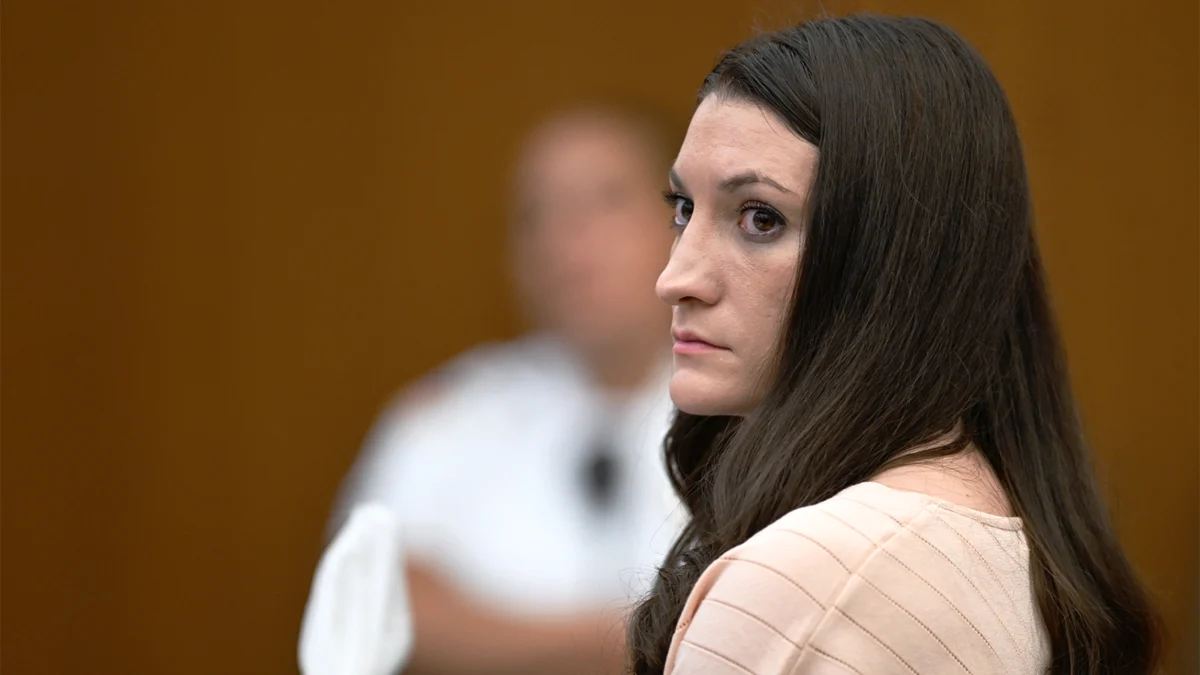
The ongoing murder trial of Lindsay Clancy, a former labor and delivery nurse at Massachusetts General Hospital, has cast a somber light on the harrowing intersection of severe mental illness, the limitations of the psychiatric healthcare system, and the tragic destruction of a young family. As the legal proceedings in a Massachusetts courtroom continue to unfold, the evidence presented—ranging from intimate text messages to disturbing search histories—has ignited a fierce debate over criminal responsibility versus medical catastrophe.
The Core Facts: A Life Unraveled
In January 2023, the quiet coastal town of Duxbury, Massachusetts, became the site of a profound tragedy. Lindsay Clancy, 36, is accused of strangling her three young children—5-year-old Cora, 3-year-old Dawson, and 8-month-old Callan—using exercise bands. Their father, Patrick Clancy, returned home to find his children unresponsive in the basement. Lindsay Clancy was found lying in the yard after jumping from a second-story window, an act that left her paralyzed from the waist down.
Clancy has pleaded not guilty to the murder charges. Her defense team argues that she was suffering from severe postpartum psychosis and bipolar disorder, conditions that rendered her unable to appreciate the wrongfulness of her actions. Prosecutors, conversely, maintain that the killings were an intentional, calculated act, alleging that Clancy cleared the home of her husband by sending him on errands before carrying out the murders.
Chronology of a Descent
Evidence presented in court has provided a harrowing timeline of the weeks leading up to the tragedy, mapped through the digital footprints left on Clancy’s personal devices.
Late 2022: The Onset of Anxiety
As early as October 2022, months before the tragedy, Clancy’s digital records reveal a woman struggling under the crushing weight of modern motherhood. In a detailed personal note, she expressed deep-seated anxieties about her ability to parent. She agonized over her decision to cease breastfeeding her youngest child and questioned her own developmental influence on her children.
"I’m terrified of something happening to my kids or doing something wrong to mess up their development," she wrote. "Our generation is inundated with information about every aspect of parenting… It’s insane. For the last five years, I’ve just filled my mind with all things parenting and it’s just unhealthy."
By December 2022, the nature of her search history shifted from general parental anxiety to more acute distress. Forensics data presented by Massachusetts State Police expert Tim Chiappini revealed that Clancy began searching for information on suicide methods, bipolar disorder, and persistent insomnia.
January 2023: The Final Weeks
In the weeks immediately preceding the deaths, the search queries intensified. Clancy researched the side effects of various psychiatric medications she had been prescribed, as well as symptoms of hallucinations and psychosis. By January, her search terms explicitly included "postpartum depression."
The final day, January 24, 2023, was marked by a juxtaposition of normalcy and looming horror. Text messages between Lindsay and Patrick Clancy showed a couple navigating the mundane stresses of parenting. They exchanged photos of their children and checked in on one another. Patrick texted, "You’re a good mamma," to which Lindsay responded with a heart and a smile emoji—a final, haunting snapshot of their life before the violence unfolded.
The Legal Battlefield: Intent vs. Illness
The trial centers on the definition of "criminal responsibility." The prosecution and the defense offer two vastly different narratives of the events of January 24.
The Prosecution’s Case
Prosecutor Shanan Buckingham has argued that the evidence points to a premeditated act. The state contends that Clancy intentionally manipulated her husband’s schedule to ensure she was alone with the children. The prosecution has called several of Clancy’s former medical providers to the stand, who testified that while Clancy expressed suicidal ideations, she never disclosed a plan to harm herself or others, nor did she manifest clear signs of mania or psychosis during their interactions. The state’s position is that Clancy was an individual who had access to extensive medical resources but ultimately chose to act upon her impulses.
The Defense’s Argument
The defense team, led by attorneys seeking to prove a lack of criminal responsibility, paints a picture of a woman in the "grip" of a terrifying, reality-altering condition. A forensic psychiatrist who evaluated Clancy following the murders diagnosed her with bipolar disorder and postpartum psychosis.
Defense attorneys argue that Clancy sought help repeatedly: she engaged with multiple outpatient providers, trialed various medications, reached out to suicide hotlines, visited an emergency room, and even checked herself into a psychiatric facility. They assert that the "cocktail" of medications she was prescribed, which included substances that can be problematic for patients with bipolar disorder, may have exacerbated her condition rather than alleviating it. Their core argument is that she was suffering from delusions—hearing voices that ordered her to kill her children and herself—and was therefore not in control of her faculties.
Implications for the Medical System
The trial has sparked a nationwide conversation about the treatment of women’s mental health. Prosecutor Buckingham has specifically urged the jury not to let the trial become a "public debate about women’s mental health and how the medical system treats women," focusing instead on the narrow legal question of guilt. However, for many observers, the case serves as a grim indictment of the gaps in mental health care.
The "Treatment Gap"
Clancy’s case highlights the complexities of psychiatric care for new mothers. She had been denied entry into a hospital-based, full-day treatment program specifically designed for post-pregnancy mental health issues. This rejection, coupled with the cycling of various medications that failed to provide stability, raises questions about the accessibility and efficacy of current maternal mental health infrastructure.
If the jury finds Clancy not guilty by reason of mental illness, she would be committed to a state mental health facility rather than prison. If convicted, she faces life in prison without the possibility of parole.
Societal Reflection
The public fascination with this case is intense, fueled by the livestreamed nature of the trial and the deeply relatable, yet horrifying, circumstances. Journalists and spectators alike have scrutinized every detail, reflecting a broader societal anxiety: the fear that the systems designed to protect mothers and children are failing.
As the court continues to weigh the testimony of medical experts against the stark reality of the children’s deaths, the jury faces an impossible task: reconciling the humanity of a mother who sought help with the monstrous finality of her actions.
The trial serves as a reminder that the postpartum period is a window of extreme vulnerability, and that mental health crises—when left unmanaged or mismanaged—can lead to outcomes that shatter entire communities. Whether or not the legal system deems Lindsay Clancy criminally responsible, the tragedy in Duxbury will remain a somber case study in the lethal consequences of psychiatric instability and the critical need for a more integrated, responsive approach to maternal mental healthcare.
As the proceedings draw to a close, the final verdict will carry weight far beyond the courtroom, serving as a landmark moment in how the American legal system interprets the intersection of motherhood, mental illness, and the threshold of accountability.