











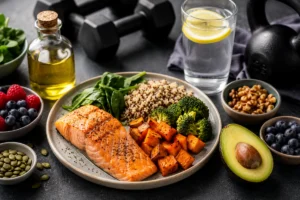
In the evolving landscape of sports science, nutrition has moved far beyond the simplistic calculation of calories and macronutrients. While fitness professionals have long understood the necessity of fuel for performance, a new frontier of research is reshaping how we view the body’s internal response to physical exertion. Specifically, the relationship between dietary patterns, inflammation, and long-term musculoskeletal health has become a focal point for researchers and practitioners alike. The emerging consensus suggests that what we eat does more than shape body composition; it dictates how efficiently the body recovers from the stresses of training and maintains systemic health over a lifetime.
The Misunderstood Mechanism: Inflammation as an Ally
Inflammation is perhaps the most maligned concept in modern wellness. Frequently portrayed by media outlets and marketing campaigns as a physiological enemy to be "shut down" or "eliminated," this characterization is scientifically inaccurate.
In reality, inflammation is an essential, hard-wired biological defense mechanism. Without it, the human body would be incapable of repairing damaged tissue, fighting infection, or healing wounds. For the physically active individual, inflammation is the catalyst for progress. Every resistance training session or endurance event inflicts microscopic trauma on muscle fibers and connective tissues. This stress triggers an acute inflammatory response, which serves as the signal for the body to initiate repair, remove damaged proteins, and synthesize new ones—a process that ultimately yields greater strength and endurance.
If one were to completely suppress this process through excessive supplement use or restrictive "anti-inflammatory" protocols, they would effectively be blunting the very adaptations they seek to achieve. The goal, therefore, is not the eradication of inflammation, but its effective regulation.
Chronology of Recovery: From Acute Stress to Chronic Maladaptation
To manage inflammation effectively, one must distinguish between the "good" and the "bad."
- The Acute Phase: This is the immediate, temporary response to a specific stimulus, such as a heavy squat session or a long-distance run. It is a necessary, self-limiting process that facilitates muscle remodeling and adaptation.
- The Chronic Phase: The challenge arises when inflammation shifts from an acute response to a persistent, low-grade state. Unlike the post-exercise surge, chronic systemic inflammation lingers, often fueled by poor dietary habits, lack of sleep, unmanaged psychological stress, and excess body fat.
When inflammation becomes chronic, it ceases to be a tool for growth and instead becomes a source of degradation. It is linked to a higher risk of metabolic syndrome, cardiovascular disease, and, crucially for the athlete, impaired recovery and an increased risk of overuse injuries. The physiological environment created by chronic inflammation is one of constant fatigue, where the body’s resources are diverted toward managing systemic stress rather than optimizing training performance.
Supporting Data: The Case for Dietary Patterns
The current body of nutritional research has shifted its focus away from "superfoods" and isolated supplements toward the efficacy of overall dietary patterns. While specific nutrients like omega-3 fatty acids or curcumin (found in turmeric) have demonstrated anti-inflammatory potential, their impact is negligible when compared to the cumulative effect of a nutrient-dense diet.
The Mediterranean Gold Standard
The Mediterranean diet consistently ranks as the most effective framework for managing inflammatory biomarkers. Studies have shown that diets rich in legumes, whole grains, nuts, seeds, olive oil, and fatty fish—and low in ultra-processed foods—correlate with lower levels of C-reactive protein (CRP) and interleukin-6 (IL-6), key markers of systemic inflammation.
The Microbiome Connection
A critical component of this regulation is the gut microbiome. Dietary fiber, provided by fruits, vegetables, and whole grains, acts as a fuel source for beneficial gut bacteria. These microbes ferment fiber into short-chain fatty acids, which play a vital role in maintaining the integrity of the intestinal lining and modulating the immune system. A diet deficient in fiber, common in those relying on processed convenience foods, can lead to a compromised gut barrier, potentially triggering systemic inflammatory responses.
Official Perspectives: The Scope of Practice
For fitness professionals, the prevalence of conflicting nutrition advice presents a significant challenge. Clients often arrive at the gym with questions about complex elimination diets or expensive anti-inflammatory supplement stacks, seeking a quick fix for joint pain or fatigue.
Industry standards dictate that while trainers and coaches are well-positioned to offer evidence-based guidance on healthy lifestyle habits, they must remain within their scope of practice. Diagnosing medical conditions, prescribing therapeutic diets, or treating inflammatory diseases is the sole domain of registered dietitians and licensed healthcare providers.
The most effective coaching strategy is to provide education that reinforces the basics:
- Prioritize whole foods: Emphasize the "eat the rainbow" approach to ensure a diverse intake of phytochemicals.
- Hydration: Water is a fundamental, yet often overlooked, component of the nutrient transport and waste-removal systems necessary for recovery.
- Consistency over perfection: Teach clients that one meal—or one week of poor eating—is not the deciding factor in health, but that consistent dietary patterns are the key to long-term resilience.
Implications for Future Training
The primary performance advantage of an anti-inflammatory dietary pattern is not an immediate boost in speed or power, but rather the ability to train consistently. By minimizing the risk of chronic systemic stress, athletes can maintain a more predictable training schedule, avoid injury-related layoffs, and maximize the long-term adaptations that occur with steady, progressive overload.
The Role of Energy Availability
Fitness professionals must also be vigilant regarding "Relative Energy Deficiency in Sport" (RED-S). When athletes—intentionally or inadvertently—fail to consume enough calories to cover both their daily physiological needs and their training expenditure, the body enters a state of high stress. This suppresses the immune system, disrupts hormones, and significantly impairs recovery. Even the healthiest diet cannot compensate for a chronic energy deficit.
Practical Application for the Coach
When working with a client, the focus should be on additive rather than subtractive measures. Instead of starting with a list of forbidden foods, a coach should ask: "How can we add more fiber, more color, and more high-quality protein to your day?"
This approach minimizes the psychological burden of dieting and promotes a sustainable relationship with food. When a client manages to increase their vegetable intake, maintain consistent protein distribution throughout the day, and prioritize sleep, they are effectively building a physiological buffer against the stresses of life and training.
Conclusion: A Holistic View of Recovery
Ultimately, the goal of integrating anti-inflammatory principles into fitness coaching is to foster a comprehensive view of human performance. Recovery is not a passive process that happens between sets; it is an active, ongoing physiological state supported by daily decisions.
By moving beyond the marketing hype of "anti-inflammatory superfoods" and focusing on the fundamental pillars—consistent nutrient-dense eating, adequate hydration, restorative sleep, and manageable training loads—fitness professionals can empower their clients to achieve more than just aesthetic goals. They can help them build a resilient, healthy body capable of performing at its best for years to come. In the world of sports nutrition, the most potent "supplement" remains a well-rounded, consistent, and evidence-based approach to daily life.