








For decades, the standard for public health in American schools was clear: a 95% vaccination threshold. This "herd immunity" level served as a critical firewall, preventing single cases of infectious disease from ballooning into community-wide outbreaks. However, new federal data released this week confirms a troubling trajectory: U.S. kindergarten vaccination rates are in steady decline, while the share of children granted exemptions from state-mandated immunizations has climbed to an all-time high.
As the nation grapples with its most severe measles season since 1991, the latest figures from the Centers for Disease Control and Prevention (CDC) paint a picture of a fraying public health infrastructure. For the fourth consecutive year, national exemption rates have shattered records, rising to 4.2%—representing approximately 155,000 children for the 2025-2026 school year alone.
The State of Public Health: A Statistical Breakdown
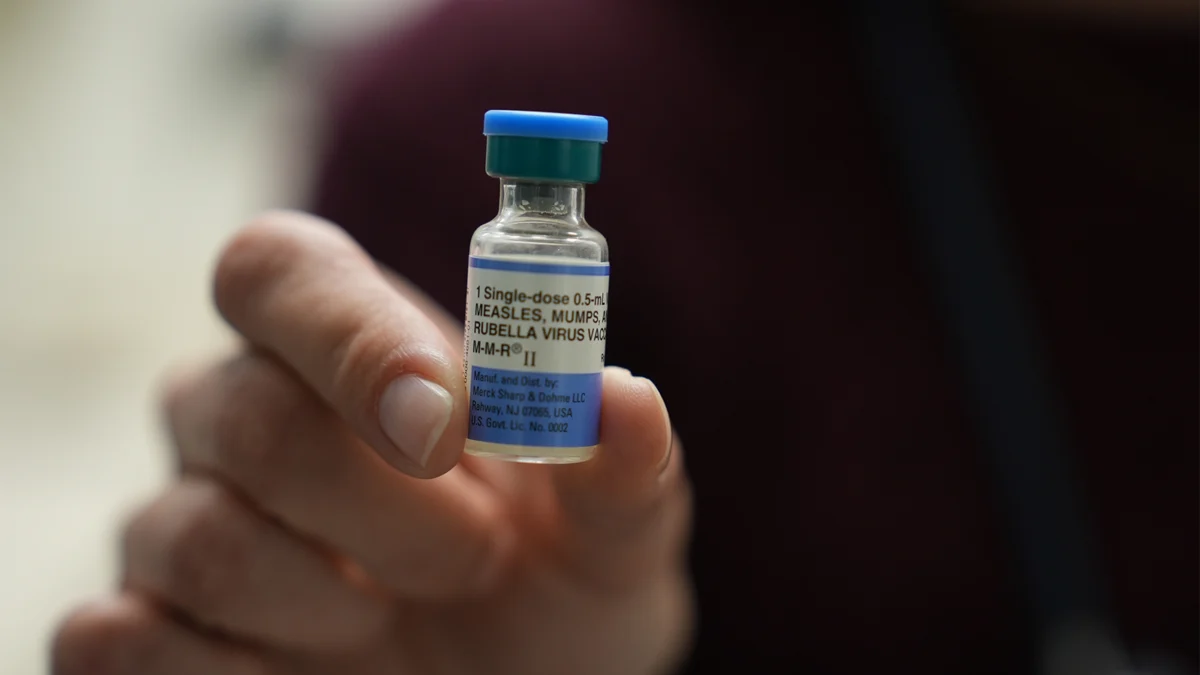
The data reveals that the decline is not isolated to a single vaccine or a specific region; rather, it is a pervasive trend. Vaccination coverage for measles, mumps, and rubella (MMR) has slipped to 92.4%, down from the previous year and significantly below the pre-pandemic benchmark of 95%.
Similar downward trends were observed across the board:
- Polio: Coverage rates have seen a measurable decrease.
- DTaP: The combination vaccine for diphtheria, tetanus, and pertussis (whooping cough) has seen reduced uptake.
- Varicella: First-dose coverage for the chickenpox vaccine has also faltered.
While hepatitis B coverage remained relatively stable, experts caution that this metric is deceptive. Because this vaccine is typically administered in infancy, the impact of recent federal efforts to alter immunization guidance for infants has not yet fully manifest in the kindergarten-age demographic. According to Dr. James Campbell, a researcher at the University of Maryland and chair of the American Academy of Pediatrics (AAP) infectious diseases committee, that data lag means the "true" impact of policy shifts may not be felt for several more years.
The geographic distribution of these unvaccinated children is highly uneven. While some states maintain robust compliance, others are seeing exemption rates that defy historical norms. For instance, in Idaho, a staggering 17.5% of kindergartners are exempt from one or more vaccines. Conversely, in states like Connecticut, that figure remains below 0.5%. This variance creates "pockets of vulnerability," where clusters of unvaccinated children can lead to localized, intense outbreaks of preventable diseases.
A Chronology of Policy Turmoil
The decline in immunization rates does not exist in a vacuum. It follows eighteen months of intense scrutiny and deliberate revisions to long-standing childhood vaccination guidance by the current federal administration.
- Pre-2024: The U.S. maintained relatively stable, high vaccination rates, largely bolstered by school mandates and consistent, non-partisan guidance from federal health agencies.
- Early 2025: Following the transition of power, U.S. Health Secretary Robert F. Kennedy Jr.—a long-standing critic of established vaccine protocols—was appointed to oversee the nation’s health agencies.
- Mid-2025: Federal officials began a concerted effort to "revise and reduce" existing childhood vaccination recommendations. These efforts included public rhetoric questioning the necessity of certain mandates and suggesting alternative, non-standard schedules for pediatric care.
- Current Date: President Trump recently issued a formal call for revamped childhood vaccination recommendations, specifically advocating for the "spacing out" of shots into separate medical visits. This approach, which has been widely discredited by the pediatric medical community, is viewed by experts as a primary driver of the current confusion.
The Role of Nonmedical Exemptions
The surge in immunization gaps is driven almost exclusively by nonmedical exemptions. While all 50 states and U.S. territories maintain mandatory vaccination requirements for school entry, they also allow for medical exemptions for children with underlying health conditions. This category has remained remarkably consistent over the last decade, hovering at approximately 0.2%.
The explosion in numbers comes from the "religious or philosophical" exemption categories. These are granted at the state level to parents who choose to bypass mandates for reasons unrelated to medical necessity. The rapid expansion of these exemptions—which increased in 41 states and the District of Columbia last year—suggests a cultural shift in how parents perceive the risks of disease versus the risks of vaccination.
"The root cause of this is primarily because there’s so much chaos and confusion in vaccination recommendation systems in the last year or so," Dr. Campbell noted. "When the highest levels of government begin to cast doubt on the very schedule that has kept American children safe for generations, parents are left in a state of uncertainty, and that uncertainty translates into lower coverage."
Official Responses and the "Silent" CDC
Historically, the CDC has used its flagship publication, the Morbidity and Mortality Weekly Report (MMWR), to frame these data releases with expert analysis, historical context, and strong advocacy for the safety and efficacy of vaccines. In years past, agency officials would hold briefings to emphasize the importance of maintaining herd immunity.
This year, the posture of the agency was markedly different. Rather than a detailed analytical report, the CDC posted the data online with a brief, three-sentence statement. The statement acknowledged the decline in coverage but offered no broader context or robust defense of immunization schedules. It simply stated: "CDC continues to encourage parents to discuss vaccination options with their doctors."
This shift in communication strategy has alarmed many in the public health sector, who feel that the agency is abdicating its role as a beacon of scientific authority. Even as state-level officials, such as North Carolina Health and Human Services Secretary Dr. Dev Sangvai, attempt to fill the void by emphasizing that "vaccines help keep our children and teens healthy and in the classroom," the lack of unified federal messaging remains a significant hurdle.
Clinical and Societal Implications
The implications of these trends are far-reaching. Schools are notoriously efficient environments for the transmission of respiratory and viral pathogens. When vaccination rates dip below the 95% threshold, the "buffer" that protects children with compromised immune systems—those who cannot be vaccinated for legitimate medical reasons—disappears.
The most immediate consequence is the return of diseases that were once considered nearly eradicated in the U.S. With more than a quarter of a million children entering kindergarten currently susceptible to measles, the risk of sustained, multi-state outbreaks is at its highest point in three decades.
Beyond the immediate health risks, there is the long-term question of the medical system’s capacity to pivot back to evidence-based standards. The current push to space out vaccinations into separate visits is not only unsupported by clinical data but also creates a significant logistical burden for families and primary care providers. Such policies threaten to disrupt the continuity of care and place an unnecessary strain on pediatric practices that are already operating at capacity.
As the school year progresses, the data serves as a stark warning. The decline in vaccination rates is not merely a statistical anomaly; it is the manifestation of a fundamental change in the relationship between the federal government and public health science. Without a return to consistent, evidence-based messaging, the nation faces the prospect of a new, preventable disease burden that will define the next generation of American public health.