In the field of regenerative medicine, the physiological reality of aging has long been treated as an immutable constant. As we grow older, our skin—the body’s largest organ—inevitably loses its elasticity, thins, and, most crucially, loses its capacity to heal efficiently. However, recent breakthroughs in the study of cellular senescence suggest that this decline may not be an inevitable fate, but rather a biological "clutter" problem.
A landmark study published in the journal Aging (Aging-US) has unveiled a potential turning point in dermatological care. By deploying a specialized drug directly to the site of aging skin, researchers have successfully cleared away "zombie cells"—senescent cells that linger long after their functional life has ended—to trigger a remarkable acceleration in wound healing.
The Science of Cellular Senescence: The "Zombie" Burden
To understand why aging skin struggles to mend, one must first understand the life cycle of a cell. Typically, when a cell becomes damaged or stressed, it undergoes a process called apoptosis, or programmed cell death, allowing it to be recycled by the body. However, as the aging process takes hold, this cleanup mechanism becomes less efficient.
Instead of dying, some cells enter a state of "senescence." These are the so-called "zombie cells." While they are metabolically active, they have ceased to function in their designated roles. Rather than contributing to skin integrity, these cells secrete a toxic cocktail of inflammatory signals, known as the Senescence-Associated Secretory Phenotype (SASP). This inflammatory environment acts as a chemical drag, inhibiting the natural regenerative pathways that normally orchestrate the repair of skin tissue.
The research team, led by Daniel S. Roh and colleagues at the Boston University Aram V. Chobanian and Edward Avedisian School of Medicine, hypothesized that if these cells could be selectively removed, the skin’s inherent healing capacity could be "reset" to a more youthful state.
Chronology of the Breakthrough
The path to this discovery involved a rigorous multi-stage experimental process, moving from the identification of senescent markers to clinical application in animal models:
- Early Investigation: The team identified that the accumulation of senescent cells in aged mice correlated directly with delayed wound closure.
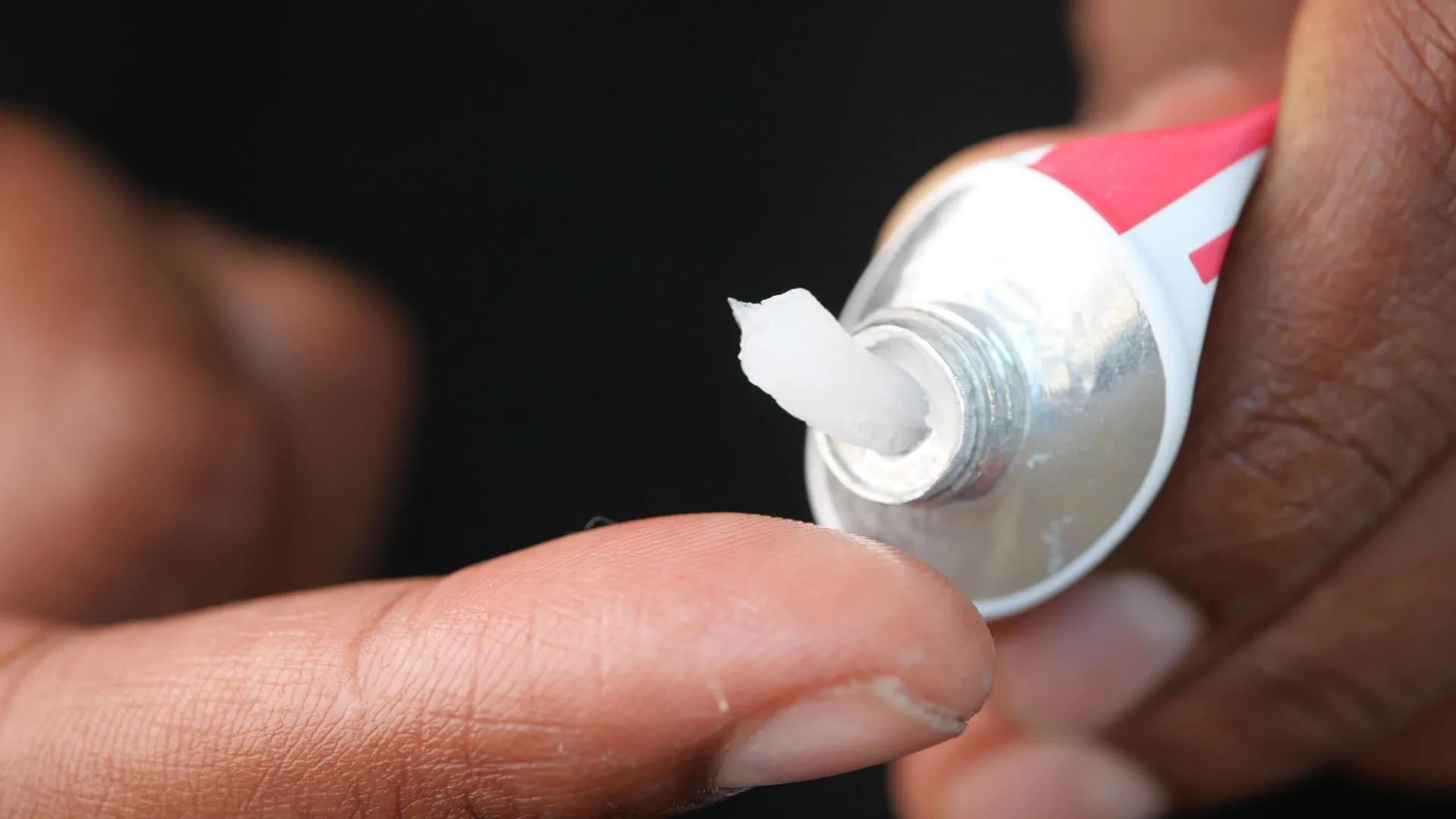
- The Intervention: Researchers utilized ABT-263 (navitoclax), a potent senolytic—a class of drugs designed specifically to induce apoptosis in senescent cells. Unlike systemic treatments, the team opted for a topical application, theorizing that local delivery would minimize side effects.
- The Five-Day Protocol: Aged mice were treated with a topical application of ABT-263 for five days prior to the introduction of a controlled skin wound.
- The Observation Phase: Over the following three weeks, researchers monitored the rate of wound closure, tissue remodeling, and gene expression within the healing site.
- The Comparative Analysis: By day 24, the results were striking: 80% of the treated mice had achieved full wound closure, compared to only 56% in the control group.
Supporting Data and Mechanistic Insights
The most intriguing aspect of the Boston University study was not just the speed of recovery, but the mechanism behind it. Contrary to the common belief that inflammation is purely deleterious, the researchers found that the topical application of ABT-263 triggered a brief, controlled burst of inflammatory signaling.
Rather than causing damage, this "pulse" of inflammation acted as a biological wake-up call. It effectively signaled the body’s repair machinery—including fibroblasts and keratinocytes—to mobilize. Gene activity analysis revealed a significant upregulation in pathways tied to:
- Collagen synthesis: Providing the structural scaffolding necessary for skin strength.
- Angiogenesis: The growth of new blood vessels to supply the nutrient-rich blood required for tissue regeneration.
- Tissue Remodeling: The organized process of restoring the skin’s original architecture.
This suggests that the primary issue in aged skin is not a lack of regenerative potential, but a state of "stasis" caused by the persistent presence of senescent cells. By clearing this biological debris, the researchers effectively removed the "brakes" from the healing process.
Official Responses and Scientific Context
The implications of this work have rippled through the scientific community, sparking a surge of related research into localized senolytic therapy.
In a 2025 review published in Ageing Research Reviews, experts emphasized that cellular senescence is a primary driver not just of cosmetic aging, but of chronic skin diseases. The review noted that the ability to selectively target these cells without inducing systemic toxicity is the "Holy Grail" of geriatric dermatology.
Furthermore, a 2026 study pushed these boundaries even further, focusing on the high-stakes world of diabetic wound healing. Diabetic patients often suffer from chronic, non-healing ulcers that are highly resistant to standard treatments. By incorporating ABT-263 into a specialized wound dressing, researchers achieved significant healing in diabetic models without the systemic risks that typically accompany oral administration of senolytics.
However, the scientific community maintains a balanced perspective. A 2024 review in Frontiers in Immunology serves as a vital reminder: senescence is a double-edged sword. In the very early stages of a wound, senescent cells can actually facilitate repair. The challenge for future medicine will be "precision timing"—removing the senescent cells that have become persistent and pathological, while preserving those that may be serving a short-term, beneficial purpose in the immediate aftermath of an injury.
Clinical Implications: The Future of Preoperative Care
The potential for this technology in a clinical setting is immense, particularly for the aging population. Older adults often face higher risks during surgery due to slower healing times and an increased susceptibility to post-surgical site infections or dehiscence (the splitting open of a wound).
If a topical senolytic can "prime" the skin, surgeons might one day be able to treat the site of a planned incision days before a procedure. This "prehabilitation" approach could transform the recovery experience for millions. Instead of waiting for a wound to become chronic or stagnant, physicians could proactively create an environment conducive to rapid, high-quality tissue regeneration.
Challenges and The Road Ahead
Despite the optimism, the transition from murine models to human clinical trials is fraught with complexities. Researchers acknowledge several critical hurdles:
- Safety and Dosing: Determining the exact concentration of ABT-263 required for human skin, which is structurally different from mouse skin, will require extensive phase I trials.
- Long-Term Impact: While short-term clearing of senescent cells shows promise, scientists must monitor for potential long-term effects on the skin’s stem cell reservoir and overall integrity.
- Human Variability: Human skin health is influenced by genetics, nutrition, sun exposure, and comorbidities like diabetes or vascular disease. The effectiveness of senolytics may vary wildly across these demographics.
"Our study underscores the potential of topical senolytic treatments to enhance wound healing in aging skin," the Boston University team noted in their report, framing it as a promising strategy for preoperative care.
Conclusion
The study of senolytics represents a paradigm shift in how we approach the biology of aging. By viewing aging not as a steady decline, but as a condition influenced by the accumulation of harmful cellular artifacts, we open the door to active interventions.
While we are not yet at a point where a "zombie cell" cream is available at a pharmacy, the trajectory of this research is clear. The ability to prune away the biological waste of the past could hold the key to a future where the elderly recover from injuries and surgeries with the same resilience as the young. For a rapidly aging global population, that is not just a scientific victory—it is a profound improvement in the quality of human life. As we continue to refine the precision of these therapies, we move closer to a time when aging skin is no longer a barrier to recovery, but a canvas upon which the body can once again perform its most miraculous feat: self-renewal.