



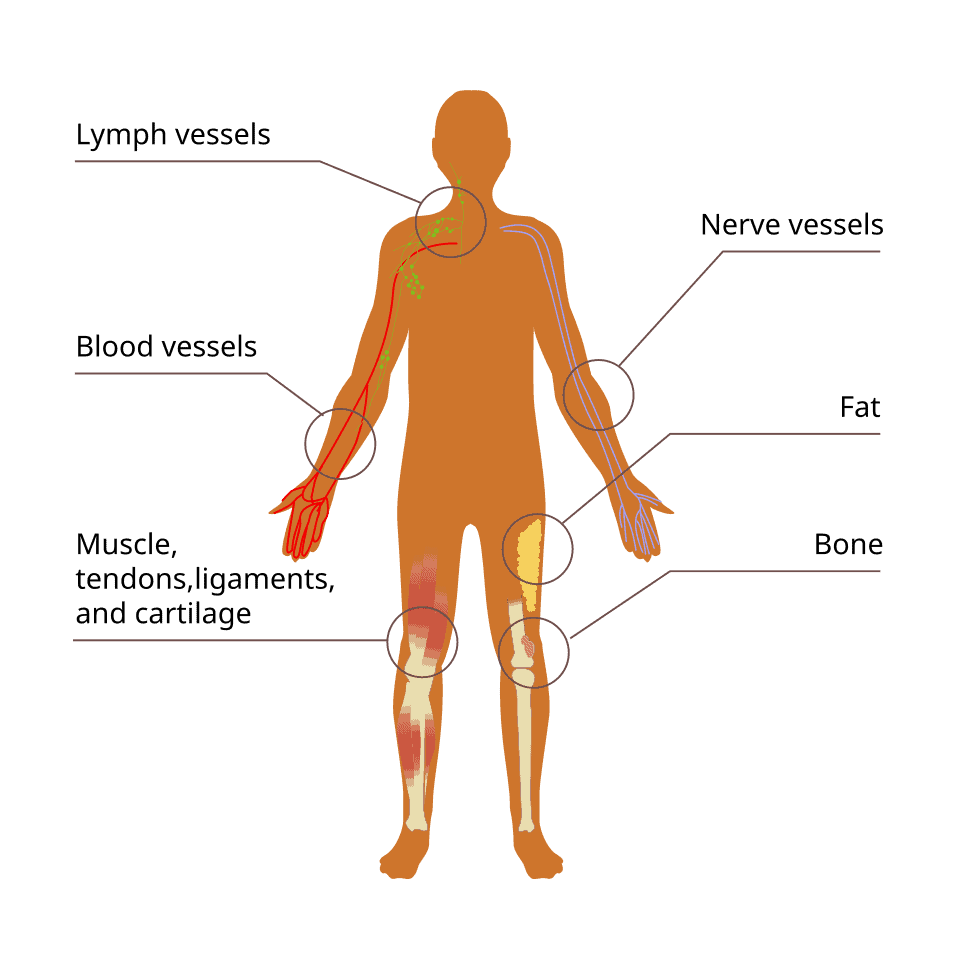
Sarcoma represents one of the most complex challenges in modern oncology. Unlike carcinomas, which originate in the epithelial cells of organs, sarcomas are a rare, heterogeneous group of cancers that arise in the body’s connective and supportive tissues—including fat, muscle, nerves, fibrous tissues, blood vessels, and deep skin tissues. Because these cancers can manifest almost anywhere in the human anatomy, they are often difficult to detect, challenging to diagnose, and notoriously resistant to conventional treatment modalities.
While surgery, chemotherapy, and radiation remain the current clinical standard, the medical community is witnessing a paradigm shift. Immunotherapy—a revolutionary approach that harnesses the body’s own immune system to identify and neutralize malignant cells—is beginning to rewrite the narrative for some patients. As we observe Sarcoma Awareness Month, the medical landscape is shifting from a focus on "one-size-fits-all" treatments toward precision medicine that seeks to unlock the full potential of the immune system.
The Anatomy of a Rare Disease: Understanding Sarcoma
To understand why sarcoma is so difficult to treat, one must first appreciate its diversity. There are more than 70 distinct histological subtypes of sarcoma, broadly categorized into two primary groups: soft-tissue sarcomas and bone sarcomas.
Because these tumors develop in deep-seated connective tissues, they are frequently asymptomatic in their early stages. By the time a patient presents with a palpable mass—often described by clinicians as a lump larger than a golf ball that is growing or causing localized pain—the tumor may have reached a significant size. While the vast majority of lumps found in the body are benign, the rarity of sarcoma means that early diagnostic evaluation by a specialist is paramount.
The Complexity of Treatment
The traditional triad of surgery, radiation, and chemotherapy has saved countless lives, yet it possesses inherent limitations. Surgery is effective when the tumor is localized and accessible, but if the sarcoma has metastasized, or if it is located near critical structures like major blood vessels or nerves, complete resection becomes surgically impossible. Furthermore, many sarcoma subtypes show a stubborn resistance to standard chemotherapy regimens, leading to high rates of recurrence and poor long-term outcomes for patients with advanced-stage disease.
This therapeutic ceiling is exactly why immunotherapy has become the focal point of the next generation of cancer research.
A Historical Perspective: The Origins of Immunotherapy
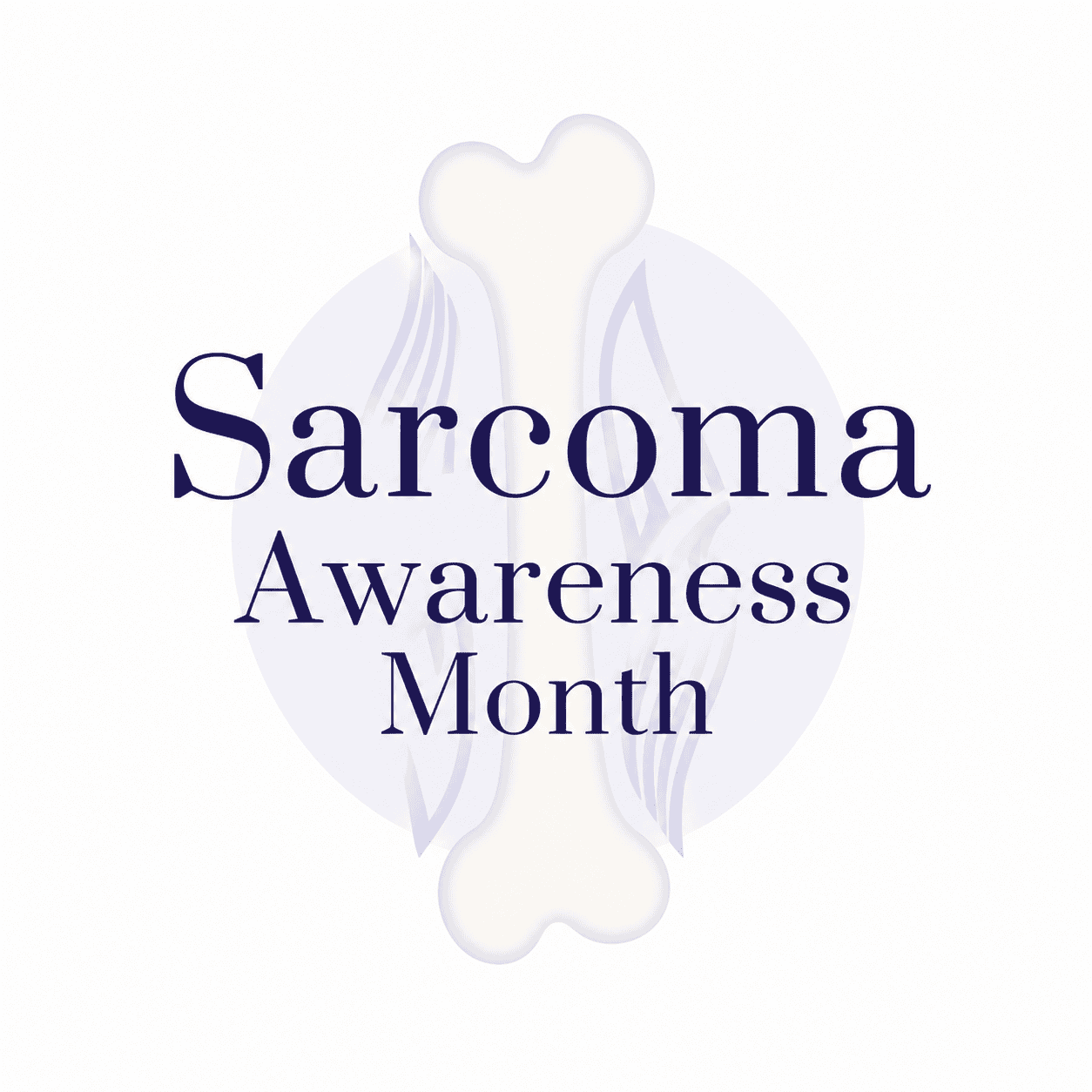
The story of cancer immunotherapy is inextricably linked to the study of sarcoma. In the late 19th century, Dr. William B. Coley, a surgeon at New York’s Memorial Hospital, observed a fascinating phenomenon: some patients with inoperable sarcomas experienced dramatic tumor regression after suffering from severe bacterial infections.
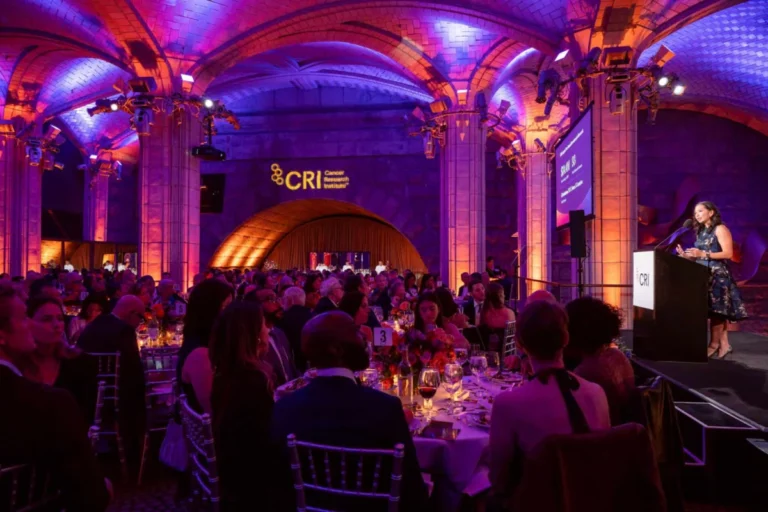
Coley hypothesized that the immune system’s aggressive response to the infection was somehow "spilling over" to attack the cancer. He developed "Coley’s Toxins," a mixture of killed bacteria designed to trigger this immune response. Though his methods were controversial at the time and later overshadowed by the advent of chemotherapy and radiation, Coley’s work established the foundational principle of modern immuno-oncology: that the immune system can be coached to recognize and destroy cancer. His daughter, Helen Coley Nauts, eventually co-founded the Cancer Research Institute (CRI) in 1953 to formalize this research, ensuring that her father’s legacy would eventually lead to the therapies we see today.
Immunotherapy: Deciphering the Immune System’s Role
At its core, cancer thrives because it is a master of disguise. It evolves to "hide" from the immune system or produces proteins that act as an "off switch" for T-cells, the body’s primary defense soldiers. Immunotherapy works by removing these cloaking devices.
Mechanisms of Action
- Checkpoint Inhibitors: These drugs block the "brakes" on the immune system, allowing T-cells to identify and attack cancer cells that were previously ignored.
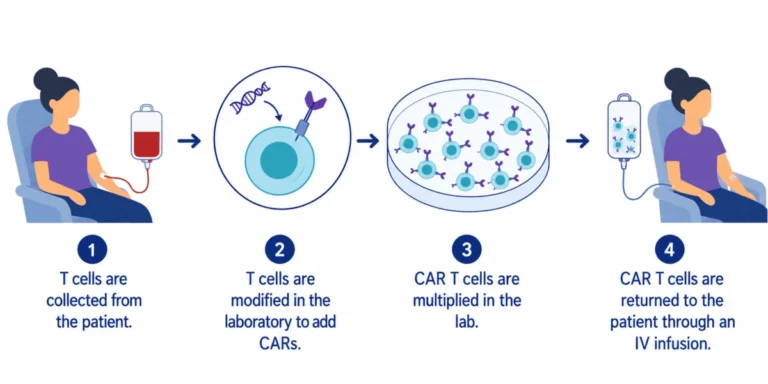
- Adoptive Cell Therapy: This involves extracting a patient’s own immune cells, engineering them in a laboratory to better recognize the specific sarcoma, and re-infusing them into the patient.
- Cancer Vaccines: These aim to teach the immune system to recognize specific tumor-associated antigens, essentially creating a "wanted poster" for the immune system to hunt down.
However, applying these treatments to sarcoma is not straightforward. Because sarcoma is not a single disease but a collection of dozens of different biological entities, an immunotherapy that is highly effective for one patient may have no effect on another. Currently, immunotherapy is only approved for specific, rarer subtypes of sarcoma or for tumors exhibiting specific genetic mutations, such as high tumor mutational burden (TMB) or microsatellite instability (MSI).
Ongoing Research and Clinical Implications
The current research landscape is focused on overcoming the "cold" tumor microenvironment often associated with sarcomas. Many sarcomas are considered "immunologically cold," meaning they do not naturally attract a large number of immune cells to the tumor site. Researchers are currently investigating combination therapies—pairing immunotherapy with radiation or novel targeted agents—to "heat up" the tumor environment, making it more visible to the immune system.
The Role of Clinical Trials
For many patients, clinical trials represent the most promising pathway toward new treatment options. Participation in a trial not only offers the patient access to the latest scientific advancements before they are widely available but also contributes to the collective understanding of how these rare cancers function at a molecular level.
"The goal," notes leading oncologists, "is to move away from the era where we rely solely on cytotoxic treatments and toward an era where we can personalize the immune response for every single patient."
Addressing the Diagnosis: A Guide for Patients
A diagnosis of sarcoma is undeniably life-altering. The rarity of the disease often means that patients may struggle to find local expertise. It is vital for patients and their families to:
- Seek Specialized Care: Sarcoma is best managed at high-volume centers where multidisciplinary teams—including surgical oncologists, radiation oncologists, and pathologists—collaborate.
- Request Molecular Testing: Understanding the specific genetic drivers of the tumor can open doors to targeted therapies or clinical trials that match the patient’s profile.
- Ask About Clinical Trials: Do not wait until standard treatments are exhausted. Ask your care team about active trials at the earliest possible stage of your journey.
- Build a Support Network: Connect with patient advocacy organizations. These groups provide not only emotional support but also navigation tools for understanding the complex world of insurance, clinical trials, and emerging research.
The Future Outlook: Implications for Care
The implications of current research are profound. We are moving toward a future where "precision immunotherapy" will allow doctors to tailor treatments based on the unique genetic map of an individual’s tumor.
As we look toward the next decade, the integration of artificial intelligence in pathology, the development of bispecific T-cell engagers, and the advancement of personalized cancer vaccines suggest that the "uncertainty" currently associated with a sarcoma diagnosis will be replaced by clearer, more effective, and more personalized treatment pathways.
While we are not yet at the finish line, the progress made by researchers—from the days of Dr. Coley to the sophisticated genetic sequencing of today—demonstrates that the impossible is becoming possible. Sarcoma remains a formidable adversary, but for the first time in history, the immune system is proving that it has the power to fight back.
Sources:
- The Cancer Research Institute (CRI): Understanding Immunotherapy for Sarcoma.
- National Cancer Institute (NCI): Rare Cancers and Targeted Therapy Developments.
- Archives of Clinical Oncology: A Historical Review of Dr. William B. Coley’s Immunological Contributions.
- Sarcoma Foundation of America: Patient Advocacy and Clinical Trial Resources.