





As the global population continues to age, the conversation surrounding longevity has shifted from merely extending life to improving the "healthspan"—the number of years we live in good health. At the center of this movement is a fundamental biological reality: muscle mass. While the vanity of a toned physique is often the focus of fitness media, the true value of muscle in our later years is functional independence.
According to fitness expert Jacob Siwicki, founder of Siwicki Fitness and a highly decorated former Equinox instructor, the goal of exercise after 50 is not to compete with professional athletes, but to ensure that the body remains a reliable vessel for the demands of daily life. By prioritizing compound, bodyweight-based movements, anyone can combat the natural decline in muscle mass that begins as early as the third decade of life.
The Biological Clock: Why Muscle Matters
The human body is in a constant state of flux. Beginning in our 30s, the body begins a natural, gradual decline in muscle mass, known as sarcopenia. Research indicates that individuals lose approximately 3% to 8% of their muscle mass per decade, a rate that accelerates significantly once a person crosses the 60-year threshold.
This loss is not merely an aesthetic concern. Muscles are the engine of the human body. They facilitate balance, protect joints, regulate metabolism, and enable the performance of daily tasks, such as carrying groceries, climbing stairs, or rising from a chair. When muscle mass wanes, the risk of falls, mobility issues, and metabolic slowdown increases. Strengthening these tissues is, therefore, a prerequisite for maintaining autonomy and a high quality of life well into one’s golden years.
Expert Insight: The Power of Compound Movements
Jacob Siwicki, recognized as the #1 personal trainer in D.C. in 2021, advocates for a strategic approach to movement. He emphasizes "compound exercises"—movements that engage multiple muscle groups simultaneously.
"I picked these because they are compound exercises," Siwicki explains. "Several muscle groups have to work at the same time. That gives you a lot more back than an exercise that isolates one small muscle."
Siwicki notes that these movements are essentially a form of bodyweight resistance training. "They challenge you to push, stabilize, and move your body weight through different patterns. The beauty is that you can do them at home without machines or a rack of dumbbells." Crucially, he emphasizes accessibility; these moves are scalable. Whether it is using a higher counter for pushups or holding a chair for balance during lunges, the intensity can be adjusted to meet the user where they are in their fitness journey.
The Four Pillars of Functional Fitness
To effectively restore and maintain muscle tone, Siwicki recommends four specific exercises that form the cornerstone of a functional routine.
1. Sit-to-Stand: The Foundation of Mobility
The sit-to-stand movement is the gold standard for lower body strength. It mimics the act of sitting down and rising from a chair—a function essential for everyday life. By focusing on the glutes, quads, and core, this exercise builds the power necessary to stand up without assistance. When performed with controlled, deliberate pacing, it becomes a potent exercise for building functional stamina.
2. Counter Pushups: Upper Body Strength for Everyone
Pushups are often intimidating, but the "counter pushup" variation makes this upper-body powerhouse accessible to all levels. By elevating the hands on a sturdy countertop, you reduce the load on the shoulders and chest, allowing for a safer range of motion. This movement engages the pectorals, triceps, and core, fostering the stability needed to push open heavy doors or lift objects in the kitchen.
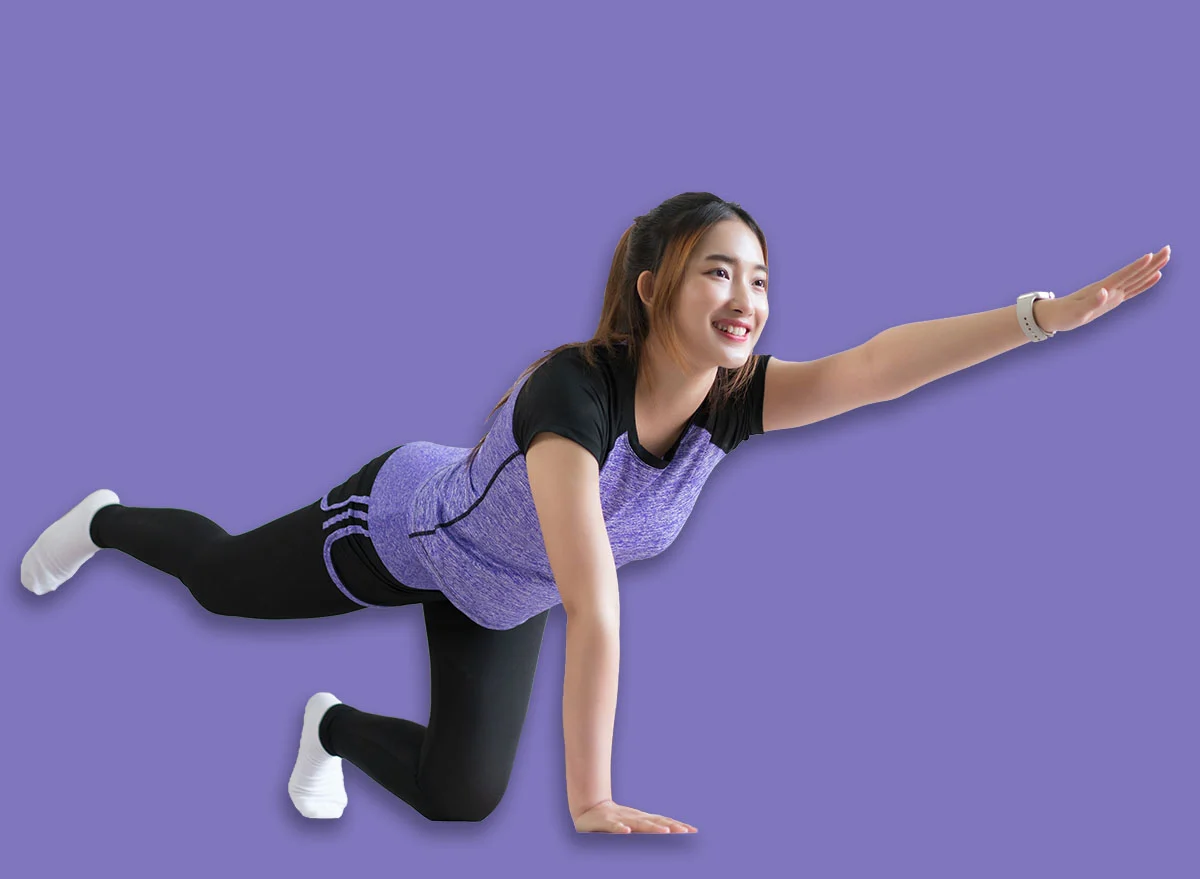
3. The Bird Dog: Core Stability and Spinal Health
Balance and core integrity are often the first attributes to decline with age. The Bird Dog exercise is a masterclass in stability. By extending the opposite arm and leg while on all fours, you force the deep stabilizers of the spine to engage. This movement does more than build strength; it trains the nervous system to maintain balance, significantly reducing the risk of accidental falls.
4. Chair-Supported Reverse Lunges
Lunges are excellent for leg strength, but they can be challenging for those with balance concerns. Using a chair for support during reverse lunges allows for the benefits of unilateral (single-leg) training—which helps fix muscle imbalances—without the fear of toppling over. This move targets the hips and legs, providing the explosive power needed for walking, hiking, and navigating stairs.
Supporting Data: The Case for Strength Training
The correlation between strength training and longevity is supported by extensive medical literature. A study published in the Journal of the American Geriatrics Society highlights that resistance exercise can improve physical performance, reduce disability, and enhance the quality of life in older adults.
Furthermore, the Mayo Clinic notes that strength training can help preserve bone density, manage chronic conditions like arthritis, and improve mental health by releasing endorphins. When an individual engages in compound movements, they are not just building muscle; they are improving their metabolic rate, which helps manage weight and blood sugar levels—both critical factors in preventing age-related diseases.
Implications for a Healthier Future
The implications of adopting a consistent exercise regimen are profound. By investing just a few minutes a day in these four compound movements, the average person can effectively "re-wire" their body to remain functional.
The shift in perspective is key: instead of viewing exercise as a chore or a means to a "beach body," it should be viewed as an insurance policy for the future. When we prioritize muscle, we are investing in our ability to travel, play with grandchildren, and remain active in our communities long after retirement.
Conclusion: Starting Today
The journey to a stronger, more resilient body does not require a gym membership or expensive equipment. It requires consistency, patience, and a willingness to move. As Jacob Siwicki demonstrates, the path to longevity is paved with fundamental movements that respect the body’s natural capabilities.
Whether you are in your 50s, 60s, or beyond, it is never too late to begin. By integrating sit-to-stands, counter pushups, bird dogs, and chair-supported lunges into your daily life, you are not just exercising; you are building the physical foundation for a future defined by freedom, strength, and independence. The golden years should be a time of exploration and joy—and with the right approach to fitness, that is exactly what they can be.