










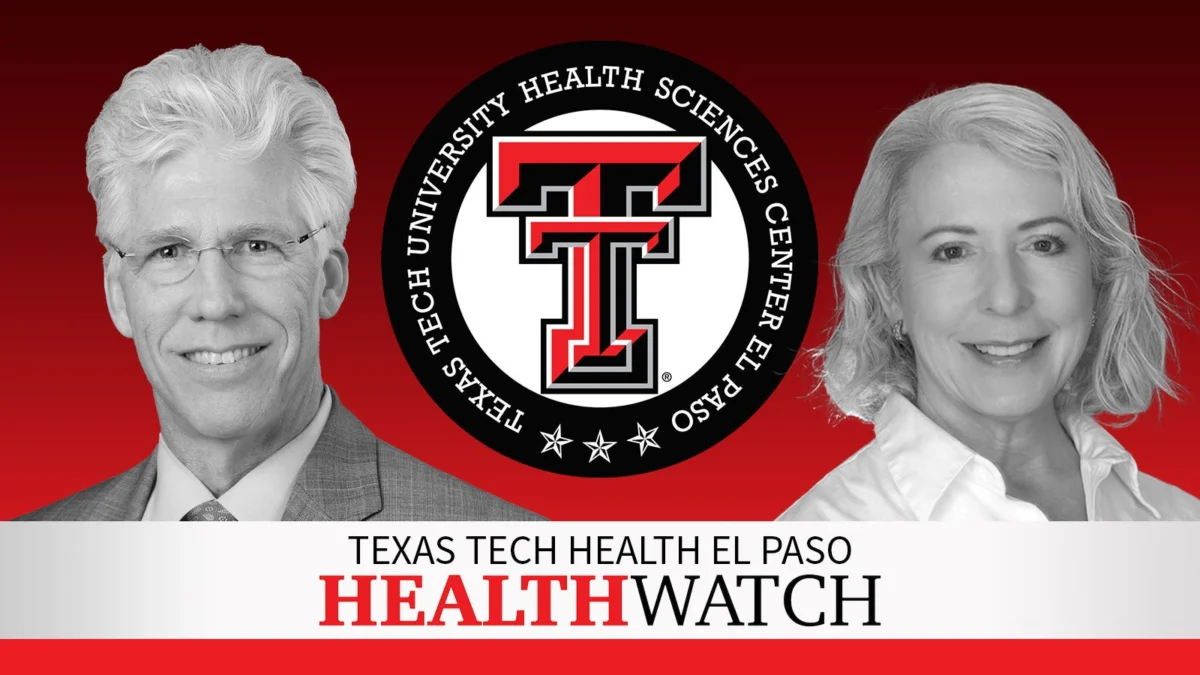
In the rapidly evolving landscape of modern medicine, staying abreast of peer-reviewed research is essential for both clinicians and the public. Each week, TTHealthWatch—a collaborative production from Texas Tech University Health Sciences Center El Paso—serves as a vital conduit for this information. Hosted by medical journalist Elizabeth Tracey and Dr. Rick Lange, president of Texas Tech Health El Paso, the program dissects the most impactful medical headlines.
This week’s installment tackles a diverse array of critical topics, ranging from the long-term neurological consequences of professional football to the logistical disparities in end-of-life care, and the cardiovascular implications of ADHD.
The Neurological Toll of the Gridiron: CTE and Dementia
One of the most pressing public health discussions in sports medicine remains the link between repetitive head trauma and neurodegenerative decline. A recent study published in The BMJ has provided new, granular data regarding Chronic Traumatic Encephalopathy (CTE) among former National Football League (NFL) players.
Research Methodology and Findings
The study followed a cohort of over 1,700 former NFL players who passed away between 2008 and 2021. Among this group, 338 families donated the deceased’s brains for neuropathological evaluation. Using blinded neuropathologists to avoid bias, the researchers assessed the presence and staging of CTE.
The findings were stark: 315 of the 338 examined brains showed signs of CTE. By extrapolating this data, researchers estimate the prevalence of CTE among deceased NFL players to be between 18.5% and 98.7%. Furthermore, approximately 31% of the donor cohort exhibited Stage 4 CTE, and 60% had a clinician-diagnosed history of dementia, with an average onset age of 63.4 years.
The Diagnostic Challenge
Dr. Rick Lange highlights the persistent difficulty in establishing a clinical diagnosis for CTE while the patient is alive. "CTE can only be confirmed post-mortem by a pathologist who knows exactly what they are looking for," Dr. Lange explains. The characteristic lesion—a perivascular accumulation of hyperphosphorylated tau in neurons—is located deep within the cortical sulci, making it notoriously difficult to visualize with current neuroimaging techniques like PET scans.
Public Health Implications
The authors conclude that while a direct, quantifiable risk factor for every individual is difficult to pinpoint, the association between cumulative head trauma and later-life dementia is substantial. As sports organizations face mounting pressure to protect athletes, the data serves as a sobering reminder that the "glamour" of professional sports carries a potential biological cost that requires ongoing vigilance and further longitudinal study.
Surgical Optimization: IV Iron for Pre-Operative Anemia
Cardiac surgery presents significant physiological stress, often resulting in blood loss that necessitates transfusions. Approximately 20% to 50% of cardiac surgery patients require blood products, a process that carries its own inherent risks.
The Efficacy of Intravenous Intervention
Traditionally, surgeons have prescribed oral iron to patients diagnosed with preoperative anemia. However, oral iron is slow to act and frequently poorly tolerated by patients. A study featured in The BMJ examined whether a single preoperative intravenous (IV) iron infusion could improve patient outcomes.
In a randomized trial of 920 cardiac surgery patients, those who received IV iron roughly one month before their procedure saw a modest but meaningful improvement. While the difference in "days spent at home" within the first 90 days post-surgery was slight (81 days for the iron group vs. 80 days for the placebo group), the clinical impact on blood management was significant. Patients receiving IV iron were 10% less likely to require a transfusion (33% vs. 43%).
Clinical Significance
The researchers estimate that for every 100 patients undergoing cardiac surgery, the use of IV iron could save 44 units of blood. Given that blood transfusions are effectively "liquid transplants" with associated risks of infection and immune reaction, the ability to mitigate the need for them via a simple, 15-to-30-minute infusion represents a significant advancement in perioperative care.
Bridging the Gap: Hospice Care in Rural vs. Urban Settings
Access to high-quality end-of-life care is a cornerstone of a compassionate healthcare system. A research letter published in JAMA investigates the disparities in hospice utilization between rural and urban populations—a topic of particular interest to healthcare providers serving geographically isolated communities.
The Data Landscape
The study analyzed data from 2013 to 2022, focusing on Medicare beneficiaries aged 66 and older. Out of 21 million deaths, over 50% involved a hospice claim. When comparing isolated rural zip codes to urban centers, the researchers found that while rural hospice use was slightly lower, the disparity is not as pronounced as previously feared.
Shrinking Disparities
Dr. Lange noted that the gap in hospice care between rural and urban areas has been steadily narrowing, shrinking from an 8% difference in 2013 to just 4% by 2022. While rural patients are less likely to access inpatient hospice facilities—largely due to a lack of physical infrastructure in remote counties—the provision of hospice services in private homes and nursing homes remains robust. This indicates that while the delivery of care may look different, the essential support system is increasingly accessible to those living outside metropolitan hubs.
ADHD and Cardiovascular Risk: A Global Analysis
The relationship between Attention-Deficit/Hyperactivity Disorder (ADHD) and cardiovascular health has been a subject of intense medical debate. Critics have long argued that the elevated cardiovascular risk seen in ADHD patients is merely a byproduct of comorbid conditions such as obesity, smoking, or sedentary lifestyles.
A Multicountry Perspective
A recent study in The Lancet challenged this notion by following nearly 6 million adults across seven countries, including the United States, Australia, and several European nations. All participants were on first-line antihypertensive therapy, allowing researchers to control for the baseline factor of hypertension.
The findings were significant: the presence of ADHD was associated with a 30% increase in the risk of major adverse cardiac events and a threefold increase in all-cause mortality. Crucially, the study also addressed concerns regarding stimulant medications, finding that the use of ADHD-related pharmacotherapy did not exacerbate cardiovascular risk.
The Mechanism Mystery
Despite the clear statistical association, the underlying biological mechanism remains elusive. Elizabeth Tracey points out that while the link is undeniable, the field has yet to determine whether the risk is driven by physiological pathways or the behavioral/psychosocial manifestations of the disorder. Clinicians are encouraged to consider these findings when managing patients with ADHD, particularly those who are already at risk for cardiovascular disease.
Summary and Implications
The research presented on TTHealthWatch underscores the interconnectedness of seemingly disparate medical fields. Whether it is the long-term neurological impact of contact sports, the optimization of surgical protocols, the democratization of end-of-life care, or the hidden cardiovascular risks of neurodevelopmental disorders, the common thread is the need for rigorous, evidence-based management.
For patients and providers alike, these studies offer a roadmap for better care. By understanding the risks associated with repetitive trauma, the benefits of proactive hematological management, the resilience of hospice networks, and the cardiovascular implications of ADHD, the medical community can move toward a more proactive and inclusive model of health.
As Dr. Lange concludes, the key to better health outcomes lies in our ability to listen to the data, translate findings into clinical practice, and continue making informed, healthy choices in our daily lives.
For more information on these topics, listeners can access the full episodes of TTHealthWatch at the Texas Tech University Health Sciences Center El Paso website.