







In a landmark development for cardiovascular health, an experimental oral medication known as enlicitide has demonstrated the ability to slash "bad" cholesterol levels by up to 60%. The findings, published in the New England Journal of Medicine (NEJM), suggest that this once-daily pill could represent the most significant advancement in lipid-lowering therapy since the introduction of statins. If granted approval by the U.S. Food and Drug Administration (FDA), enlicitide could provide millions of Americans with a potent, convenient alternative to existing treatments, potentially curbing the prevalence of heart attacks and strokes.
The Burden of Cardiovascular Disease: Why LDL Matters
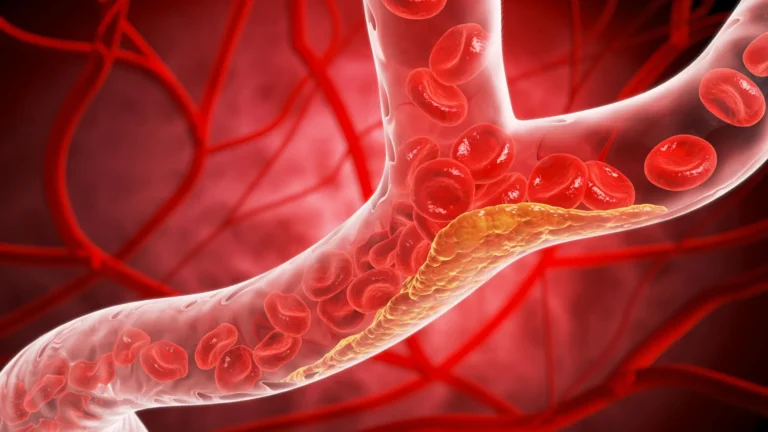
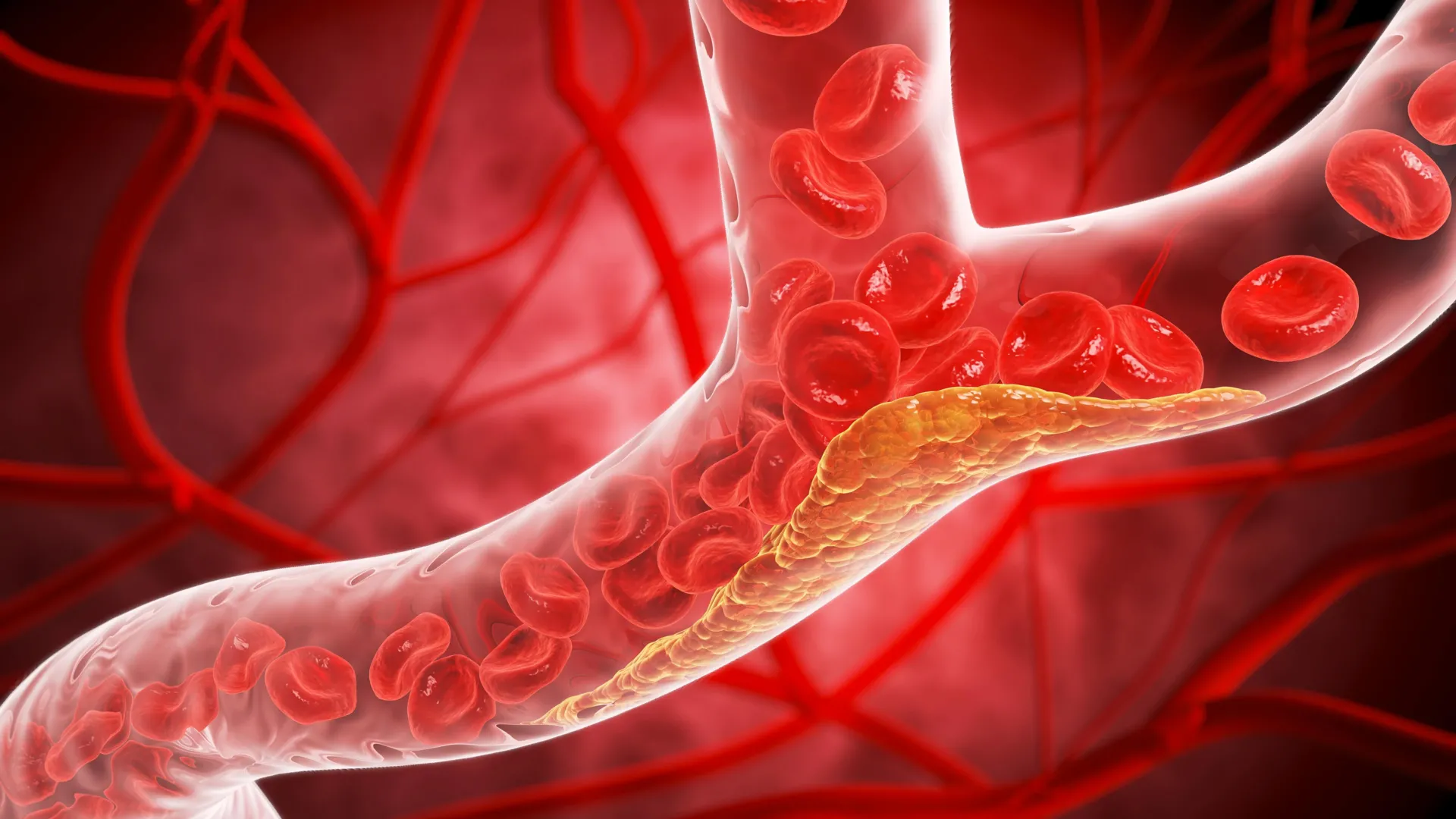
Cardiovascular disease remains the leading cause of death globally, and at the heart of the crisis is low-density lipoprotein (LDL) cholesterol. Often termed "bad" cholesterol, LDL particles are notorious for their role in atherosclerosis—a chronic, progressive condition where cholesterol, fat, and other substances accumulate within the arterial walls.
Over time, this buildup forms plaques that can narrow and harden the arteries, restricting vital blood flow to the heart and brain. When these plaques rupture, they can trigger blood clots, leading to catastrophic outcomes such as myocardial infarction (heart attack) or stroke. For decades, the medical consensus has been clear: aggressively lowering LDL cholesterol is the primary defense against these events. However, despite the widespread availability of statins, fewer than half of patients with established atherosclerotic cardiovascular disease successfully reach their target cholesterol goals. This "treatment gap" leaves a massive population vulnerable to preventable cardiac events.
A Legacy of Discovery: From Dallas to the World
The development of enlicitide is not a singular accident; rather, it is the culmination of decades of rigorous scientific inquiry, much of which has been pioneered at the UT Southwestern Medical Center.
The story begins in the 1970s and 80s, when researchers Michael Brown, M.D., and Joseph Goldstein, M.D., conducted groundbreaking work on cholesterol metabolism. Their identification of the LDL receptor on liver cells—the mechanism responsible for clearing cholesterol from the bloodstream—earned them the 1985 Nobel Prize in Physiology or Medicine. Their discovery laid the foundational science for statins, which remain the cornerstone of cholesterol therapy today.
The research lineage continued with the Dallas Heart Study, led by Helen Hobbs, M.D., and Jonathan Cohen, Ph.D. Their work uncovered a genetic anomaly in a subset of the population: individuals with naturally low levels of the PCSK9 protein. They discovered that PCSK9 acts as a "brake" on the liver’s ability to clear LDL, limiting the number of receptors available to pull cholesterol out of the blood. By inhibiting this protein, scientists realized they could drastically improve the body’s natural ability to flush cholesterol.
This insight birthed the current generation of PCSK9 inhibitors—injectable biologics like evolocumab and alirocumab. While these drugs are highly effective, achieving a 60% reduction in LDL, their adoption has been hampered by logistical hurdles, including the need for injections, higher costs, and complex insurance authorization processes.
Breaking the Injectable Barrier: The Innovation of Enlicitide
The primary limitation of current high-potency cholesterol-lowering drugs is the mode of delivery. Many patients, and even some physicians, remain hesitant to adopt injectable therapies for chronic, life-long conditions. This is where enlicitide changes the narrative.
Enlicitide operates on the same biological pathway as existing PCSK9 inhibitors, binding to the protein to prevent it from degrading LDL receptors. By effectively "releasing the brakes" on the liver, the drug enhances the body’s cholesterol-clearing capacity. The critical innovation, however, is its molecular structure, which allows it to be formulated as a daily oral pill. By removing the needle, researchers believe enlicitide will significantly improve patient adherence, making high-intensity cholesterol management a reality for the general public rather than a specialized treatment reserved for a select few.
Clinical Trial Insights: Data and Methodology
The Phase 3 clinical trial, sponsored by Merck & Co. Inc., was a robust test of the drug’s efficacy and safety. The study enrolled 2,909 participants, all of whom had existing atherosclerosis or were at high risk due to comorbid conditions.
The trial design was intended to mirror the "real world" of clinical practice. The vast majority of participants were already stabilized on statin therapy; however, their LDL levels remained stubbornly high, with an average of 96 mg/dl. Clinical guidelines generally mandate targets of 70 mg/dl for patients with atherosclerosis and 55 mg/dl for those at the highest risk.
Participants were randomized into two groups: one receiving enlicitide and the other a placebo. The results after 24 weeks were striking. Those taking enlicitide experienced an average LDL reduction of 60% compared to the placebo group. Perhaps more importantly, the drug also positively impacted other cardiovascular markers, including non-HDL cholesterol, apolipoprotein B, and lipoprotein(a). Crucially, these reductions were maintained over a full year of follow-up, suggesting the drug is both durable and consistent.
"The study population reflects what we see in clinical practice," said Dr. Ann Marie Navar, M.D., Ph.D., lead author of the study and Associate Professor of Internal Medicine at UT Southwestern. "Even the highest intensity statins are often not enough to get people to their cholesterol goals. These reductions in LDL cholesterol are the most we have ever achieved with an oral drug by far since the development of statins."
Official Perspectives and Professional Reaction
Dr. Navar emphasizes that the potential impact of this drug on a population level is profound. "An oral therapy this effective has the potential to dramatically improve our ability to prevent heart attacks and strokes on a population level," she noted.
The medical community has received the news with cautious optimism. While the reduction in cholesterol markers is objectively impressive, experts are looking forward to the next stage of clinical validation. The scientific community is currently awaiting results from ongoing trials designed to determine if these dramatic reductions in cholesterol translate directly into a measurable decrease in actual heart attacks and strokes. While cholesterol reduction is a validated surrogate marker for cardiovascular health, "hard outcomes" (events prevented) remain the gold standard for clinical approval and widespread adoption.
Implications for the Future of Cardiology
If enlicitide secures FDA approval, it will likely disrupt the cardiovascular market. For patients, it offers the convenience of a once-a-day pill—a format that has historically fostered higher compliance rates than injections. For physicians, it offers a "plug-and-play" solution to patients who have plateaued on statins.
However, the path forward involves navigating the complexities of healthcare economics. While the drug eliminates the physical barrier of injection, the pharmaceutical industry and insurers will eventually need to determine how such a potent, novel therapy will be priced and covered.
As the medical field looks toward the next phase of research, the spirit of discovery that characterized the work of Drs. Brown, Goldstein, Hobbs, and Cohen remains the driving force. Enlicitide represents more than just a new pill; it represents a potential shift in how we manage chronic, life-shortening conditions, moving from reactive management to a more precise, pharmacological precision that could save millions of lives.
As Dr. Navar summarized, the data from the recent trial provides a glimpse into a future where cardiovascular disease is significantly more manageable, provided the scientific community continues to bridge the gap between discovery and clinical implementation. The ongoing follow-up trials will be the final arbiter of this drug’s place in the physician’s toolkit, but for now, the outlook is undeniably bright.
Disclosures: The clinical study was funded by Merck Sharp & Dohme, a subsidiary of Merck. Dr. Ann Marie Navar has received consulting fees from Merck and other pharmaceutical companies involved in lipid-lowering research.