As we navigate the later chapters of life, the quest for longevity shifts from mere survival to the pursuit of "healthspan"—the number of years we live in good health. While nutrition and sleep play pivotal roles, there is one non-negotiable pillar that stands above the rest: the preservation and cultivation of lean muscle mass.
It is a biological reality that muscle mass naturally begins to decline in our 30s, a process known as sarcopenia. By the time we cross the threshold of 60, this decline accelerates significantly. However, new insights from fitness experts suggest that this isn’t an irreversible fate. By integrating targeted resistance training into your daily routine, you can effectively "reverse the clock" on your musculature, ensuring mobility, metabolic health, and structural integrity well into your golden years.
The Science of Sarcopenia: Why Muscle Matters
To understand why we must fight for our muscles, we must first understand what they do for us. Muscles are not merely for aesthetics; they are the engine of the body. They protect our joints, dictate our metabolic rate, and serve as the primary defense against the frailty that often leads to falls and loss of independence.
When muscle mass dwindles, the body’s ability to regulate blood sugar, maintain bone density, and facilitate daily movement—such as standing from a chair or carrying groceries—diminishes. According to Matt Kasee, CSCS, founder of Trilogy Fitness Systems, the goal is not necessarily to become a competitive powerlifter, but to provide the body with enough stimulus to force an adaptive response.
"The difference [in training for older adults] is that exercises can be scaled to meet someone where they are," Kasee explains. "You don’t have to lift extremely heavy weights to challenge your muscles. Resistance bands, lighter dumbbells, body weight, slower tempos, pauses, greater ranges of motion, and additional repetitions can all make an exercise more demanding. What’s important is that the exercise eventually feels challenging enough to create an adaptation."
Chronology of Muscle Decline: The 30s, 50s, and Beyond
The degradation of muscle tissue is a silent process that often goes unnoticed until the physical consequences manifest.
- The 30s: The initial, slow onset of muscle loss begins. Many adults remain sedentary, unaware that their muscle protein synthesis is beginning to lag.
- The 40s: A critical window. Without resistance training, the metabolic rate begins to dip as lean muscle is replaced by adipose tissue.
- The 50s: The "threshold of necessity." This is where consistent exercise becomes the primary determinant of future quality of life.
- The 60s and Beyond: Without active intervention, the rate of muscle atrophy accelerates, making it harder to rebuild lost strength. This is why establishing a "muscle-first" mindset before 55 is the ultimate insurance policy for aging.
The Expert-Recommended "Big Five"
To combat this decline, Kasee recommends a foundational set of five movements that target the entire body. These exercises are functional, meaning they mimic the movements required for daily living, thereby improving your "activities of daily living" (ADLs).
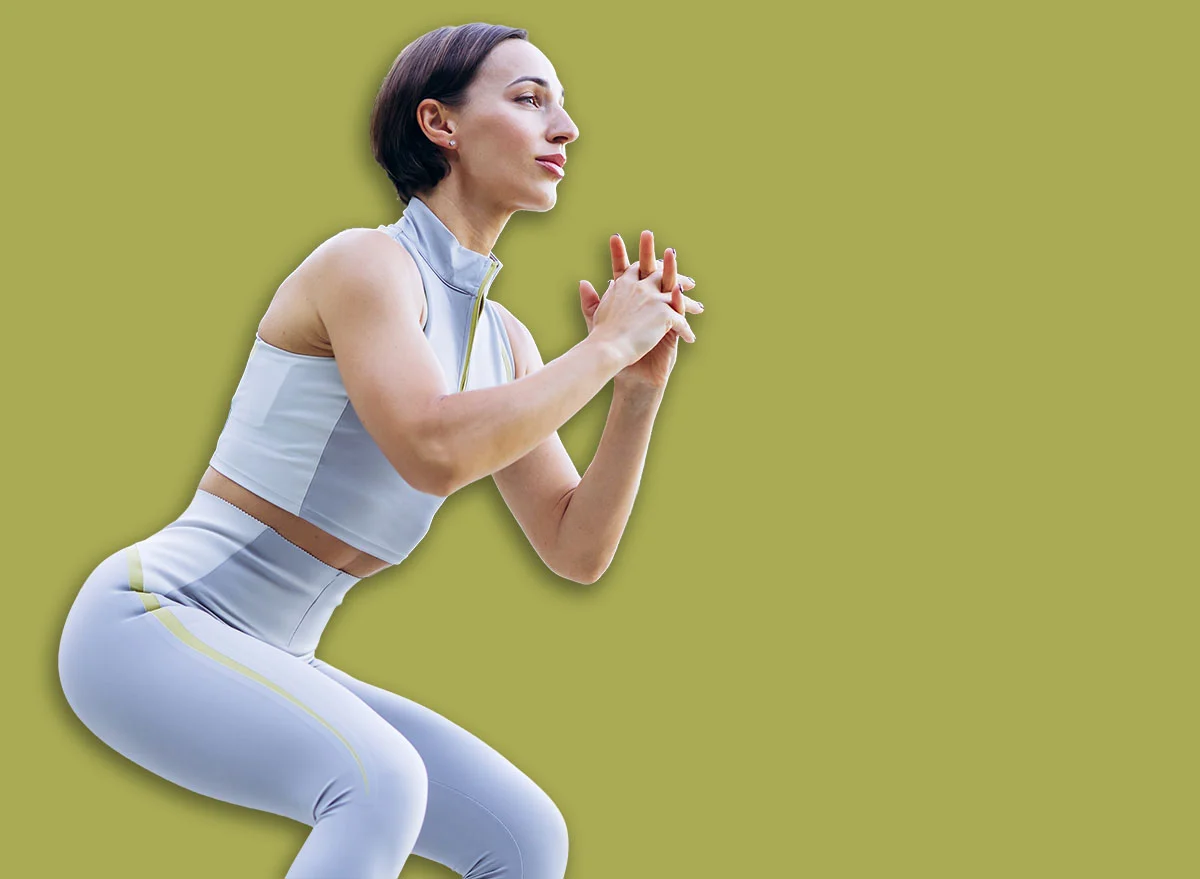
1. Bodyweight Squats: The Foundation of Mobility
The squat is perhaps the most important movement for maintaining independence. It mimics the motion of sitting down and standing up from a chair. By mastering the bodyweight squat, you are training your quadriceps, glutes, and core to function in harmony.
- Why it works: It increases lower-body strength and improves hip mobility, which is essential for gait and balance.
- Progression: Once comfortable with body weight, incorporate a slow descent (3 seconds down) to increase "time under tension," a key factor in muscle hypertrophy.
2. The Romanian Deadlift (RDL): Protecting the Posterior Chain
Lower back pain is a common complaint among older adults, often stemming from a weak posterior chain (the muscles along the back of the body). The RDL focuses on the "hip hinge" motion, which strengthens the glutes and hamstrings.
- Why it works: It teaches the body to hinge at the hips rather than the spine, protecting the lower back during everyday tasks like lifting a box or reaching for an object on the floor.
3. The Wall Pushup: Pushing for Upper Body Strength
As we age, chest and shoulder strength can decline, making it difficult to push oneself up from a lying or seated position. The wall pushup is a highly accessible, low-impact way to engage the pectoral muscles, deltoids, and triceps.
- Why it works: It requires no specialized equipment and removes the strain from the wrists and shoulders that traditional floor pushups might cause in those with limited mobility.
4. The Single-Arm Row: Correcting Posture
Many of us spend our lives in a "hunched" position, staring at screens or driving. This leads to rounded shoulders and back weakness. The single-arm row is a pulling movement that targets the latissimus dorsi, rhomboids, and biceps.
- Why it works: It pulls the shoulders back into alignment, significantly improving posture and reducing the likelihood of neck and shoulder impingement.
5. The Farmers Carry: The Ultimate Functional Test
The farmers carry is deceptively simple: hold a weight in each hand and walk. Yet, it is perhaps the most effective exercise for full-body integration. It forces the core to stabilize against an external load while improving grip strength.
- Why it works: Grip strength is often cited by longevity researchers as a primary indicator of overall health and lifespan. The farmers carry trains your body to remain upright and stable under load, mimicking the act of carrying heavy luggage or groceries.
Supporting Data: Why "Heavy" is Relative
One of the most pervasive myths in fitness is that one must lift heavy iron to see results. Science tells a different story. Research into muscle hypertrophy indicates that the body responds to mechanical tension and metabolic stress.
Whether you are using a 50-pound dumbbell or a resistance band, if the final repetitions of your set are difficult to complete, your muscles are receiving the signal that they need to adapt and grow. For the 55+ demographic, the emphasis should be on consistency and safety. By manipulating variables—such as the tempo of the lift (slower is harder) or the range of motion (deeper is harder)—you can achieve significant strength gains without the risk of heavy joint loading.
Implications for Daily Life
Adopting this routine has profound implications for your future. Stronger muscles mean:
- Improved Balance: Stronger glutes and core muscles provide better stability, drastically reducing the risk of falls.
- Increased Metabolic Rate: Muscle is metabolically active tissue. The more you have, the more calories your body burns at rest, which helps in weight management.
- Joint Protection: Muscles act as a shock absorber for the skeletal system. By strengthening the muscles surrounding the knee, hip, and shoulder, you effectively offload the stress from your joints, which can help manage or prevent osteoarthritis symptoms.
- Psychological Confidence: The ability to move through the world with strength and ease provides a massive boost to mental well-being and confidence.
Conclusion: A Call to Action
The journey to reversing muscle loss is not about achieving the physique of a bodybuilder; it is about reclaiming your agency. As Matt Kasee notes, the key is to ensure the exercise is "challenging enough to create an adaptation."
Start where you are. If you are new to these movements, focus on form first. Use a wall for support, a chair for your squats, and light household items for your rows and carries. The "muscle train" is waiting for you, and it is never too late to board. By committing to these five daily movements, you aren’t just working out—you are investing in the quality of your future.