A new frontier in the management of Type 1 diabetes (T1D) may be emerging from an unexpected source: the humble kitchen spice cabinet. Recent findings presented at the 2026 American Physiology Summit in Minneapolis have ignited fresh scientific discourse regarding the therapeutic potential of curcumin—the primary bioactive compound found in turmeric—in protecting the cardiovascular systems of those living with diabetes.
While the study, conducted on rat models, is strictly preliminary, the results suggest that curcumin may do far more than provide color to a curry. By potentially mitigating the systemic inflammation that leads to the degradation of blood vessels, this natural compound is positioning itself as a focal point for future research into long-term diabetic complications.
The Vascular Challenge: A Lifelong Battle for T1D Patients
Type 1 diabetes remains a complex, lifelong autoimmune condition that currently affects approximately 2 million individuals in the United States. Despite the life-saving advancements in insulin delivery systems and continuous glucose monitoring, patients continue to face a disproportionately high risk of cardiovascular disease (CVD) at significantly younger ages than the general population.
The mechanism behind this is rooted in the "glucose toxicity" paradigm. When blood sugar levels remain persistently elevated, the internal lining of blood vessels—the endothelium—undergoes structural and functional degradation. Over time, this leads to arterial stiffening, reduced elasticity, and an increased susceptibility to atherosclerosis. The vasculature essentially "ages" faster than it should, compromising blood flow and placing immense strain on the heart.
Current medical management focuses primarily on glycemic control and the aggressive management of secondary risk factors like blood pressure and cholesterol. However, there is a clear, unmet need for therapeutic agents that directly target the inflammatory and structural pathways that diabetes disrupts within the vascular wall.
Chronology: Unpacking the 2026 Research Findings
The study, reported by the American Physiological Society (APS), represents a significant leap in understanding how bioactive plant compounds interact with diabetic pathophysiology. The research was spearheaded by Swasti Rastogi, a PhD candidate at the Florida Institute of Technology, who served as the first author.
The Experimental Framework
The research team utilized a rat model of Type 1 diabetes, creating a controlled environment to compare two distinct groups over a one-month period:
- The Control Group: Diabetic rats that received no additional intervention.
- The Experimental Group: Diabetic rats treated with a measured, consistent dose of curcumin.
Key Discoveries
The findings were stark. The diabetic rats treated with curcumin exhibited vascular health markers that mirrored those of non-diabetic subjects. The data revealed three critical areas of improvement:
- Inflammation Reduction: Curcumin appeared to suppress the systemic inflammatory response that typically accelerates the damage of the aortic walls.
- Calcium Channel Normalization: The treatment restored more normal calcium signaling within the blood vessels, which is essential for healthy contraction and relaxation.
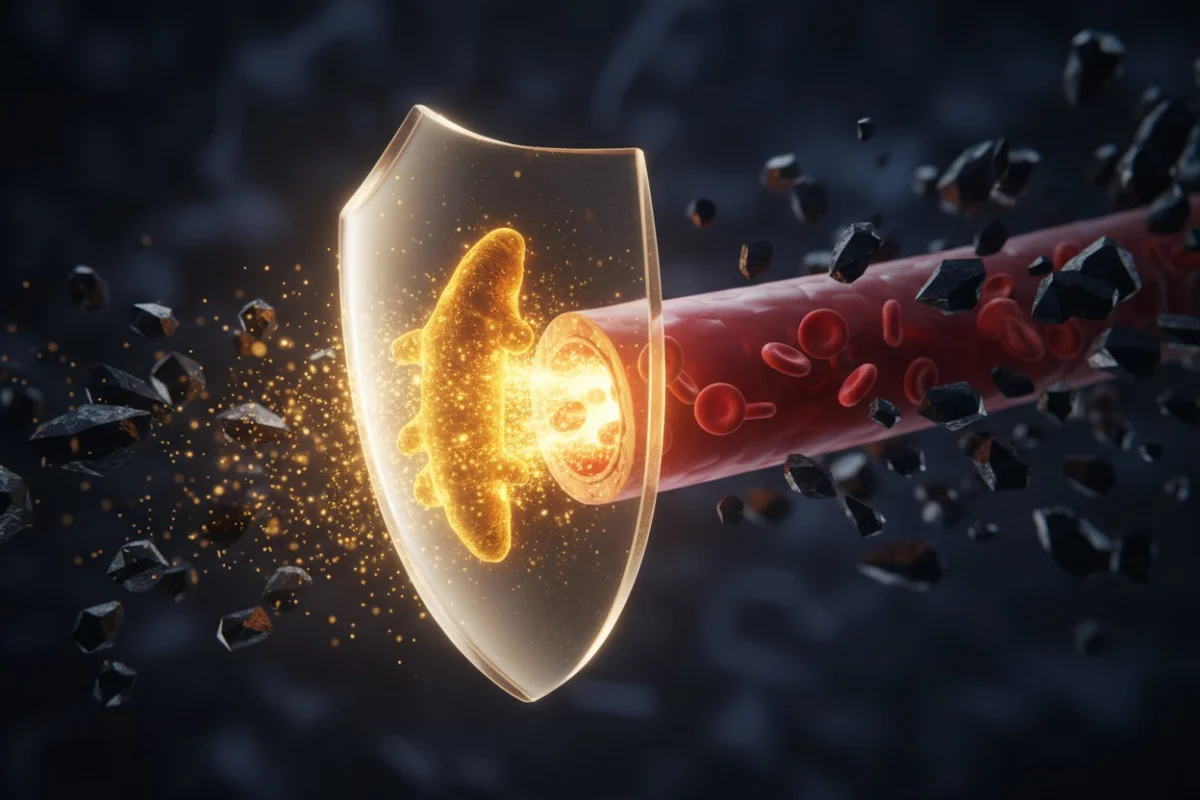
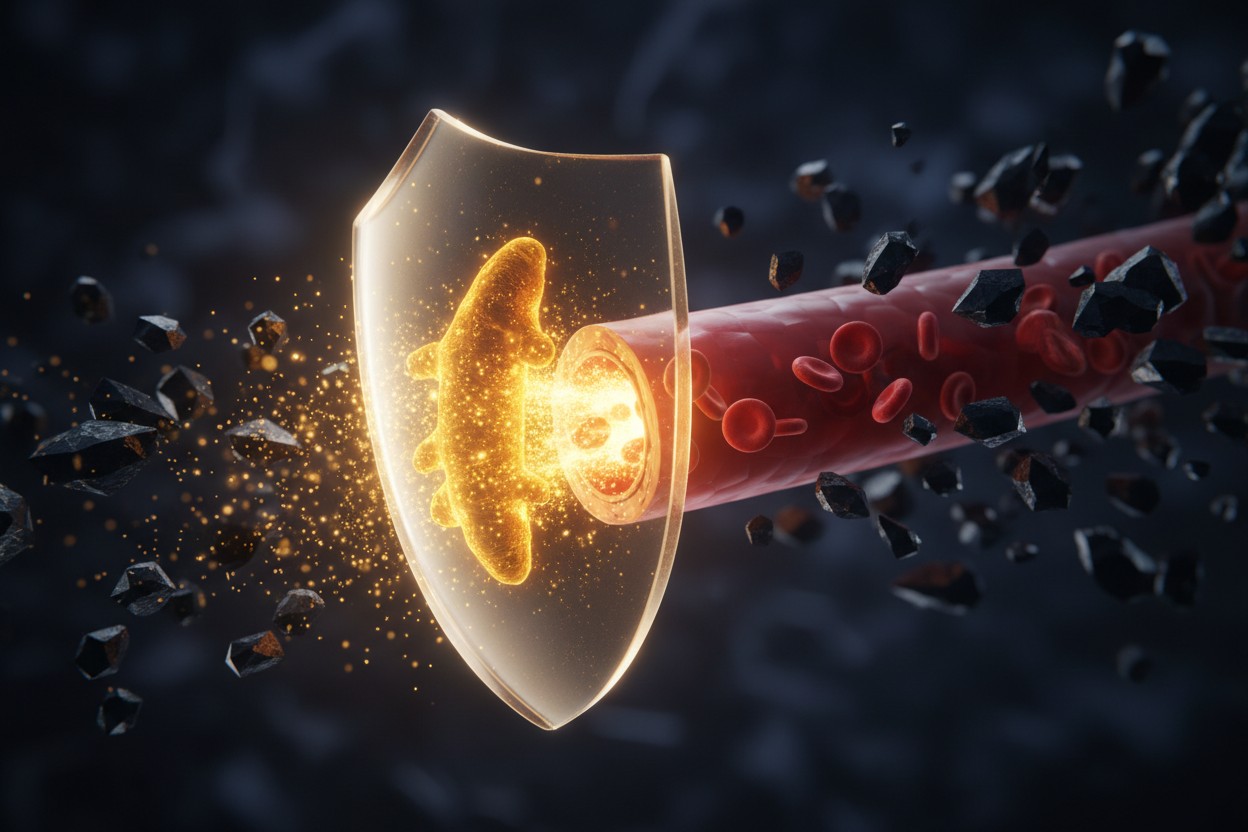
- Heat Shock Protein 70 (HSP70) Rebalancing: The study noted that diabetes often disrupts the regulation of HSP70—a protein crucial for cellular stress response. Curcumin helped re-establish homeostasis in these proteins, essentially "shielding" the cells from the stress of hyperglycemia.
Beyond Antioxidants: The Mechanisms of Action
While curcumin has long been lauded for its antioxidant properties, the 2026 study suggests its utility goes much deeper. Swasti Rastogi emphasized that the compound acts as a multifaceted regulator.
"It not only helps to improve blood sugar levels but also reduces inflammation, restores cellular responses, and preserves both structure and function of the aorta in Type 1 diabetes," Rastogi stated. By preserving the structural integrity of the aorta—the body’s largest artery—curcumin may help prevent the eventual vascular stiffening that leads to chronic heart failure in long-term diabetes patients.
The ability of curcumin to influence "secondary metabolites" is of particular interest to biochemists. As a polyphenol, curcumin can modulate various signaling pathways, including the NF-κB pathway, which is a known master regulator of inflammation. By inhibiting these pathways, curcumin effectively prevents the "cascade effect" that leads to tissue damage in diabetic patients.
Implications for Future Medicine
The implications of this research are vast, though they must be balanced against the current limitations of the study. If these findings are replicated in human trials, it could herald a new class of "adjunctive therapies" for diabetes—natural, plant-derived compounds used in conjunction with insulin to provide organ protection.
The Road to Clinical Application
For a substance like curcumin to move from a "supplement" to an "approved therapy," it must undergo a rigorous, multi-phase clinical trial process. Scientists must determine:
- Bioavailability: Curcumin is notoriously difficult for the human body to absorb. Researchers are currently investigating liposomal delivery systems and nanoparticle formulations to ensure the compound reaches the bloodstream in therapeutic concentrations.
- Dosage Safety: As with any bioactive compound, there is a risk of interaction with other medications (such as blood thinners). Establishing a safe, standardized dose is the primary hurdle for the next stage of research.
- Long-term Efficacy: Does the protective effect persist over years, or does the body develop a tolerance? These questions can only be answered through longitudinal human studies.
Expert Caution: Separating Hype from Science
Despite the excitement generated by the American Physiology Summit, experts from the APS and the broader medical community have issued a stern word of caution. The study was conducted in a laboratory animal model, which, while highly useful for mapping biological pathways, is not a direct proxy for human physiology.
"These results do not mean that patients should begin consuming excessive amounts of turmeric or start a regimen of over-the-counter curcumin supplements," the APS stated in a follow-up advisory.
There are several reasons for this caution:
- Quality Control: The supplement industry is loosely regulated. Many store-bought turmeric powders or curcumin capsules lack the purity or standardization required for clinical use.
- The "More is Better" Fallacy: In medicine, the dose makes the poison. High doses of curcumin have been linked to gastrointestinal distress and, in some cases, may interfere with the liver’s metabolism of prescription drugs.
- The Necessity of Professional Consultation: Patients living with Type 1 diabetes should never alter their treatment regimen without consulting their endocrinologist. Integrating new supplements can inadvertently alter the way insulin is absorbed or change the metabolic profile of the patient.
The Broader Context: Turmeric in Biomedical Research
This study is part of a larger, global shift toward investigating the medicinal properties of traditional herbs through modern scientific lenses. Turmeric (Curcuma longa) has been used for millennia in Ayurvedic and traditional Chinese medicine, but it is only in the last two decades that it has become a "star" of biomedical research.
Thousands of published studies have examined curcumin’s role in treating postoperative inflammation, rheumatoid arthritis, and even certain types of cancer. The 2026 study is an important piece of this puzzle, specifically because it addresses the vascular complications of diabetes—an area where current pharmacological options are often limited to statins or ACE inhibitors.
Conclusion: A Cautious Optimism
The findings presented at the 2026 American Physiology Summit offer a promising glimpse into a future where diabetes management is not just about controlling glucose numbers, but about proactively protecting the body’s internal architecture.
While curcumin is currently not a recommended treatment for Type 1 diabetes, the research establishes a robust scientific basis for continued inquiry. As researchers move toward potential human trials, the focus will remain on whether this vibrant yellow spice can indeed provide a "golden shield" for the blood vessels of millions.
For now, the message to the public is clear: maintain your prescribed insulin therapy, keep up with your regular check-ups, and wait for the science to catch up. The progress being made in labs across the country is encouraging, but the transition from the bench to the bedside requires the patience of rigorous clinical proof. The story of curcumin and vascular health is only in its opening chapters, but it is a narrative that holds profound hope for the millions navigating the complexities of diabetes.
Summary of Key Scientific Takeaways:
- Biological Mechanism: Curcumin appears to rebalance Heat Shock Protein 70 and stabilize calcium signaling in the aorta.
- Vascular Impact: Treated rats showed significantly reduced vascular inflammation and better arterial elasticity compared to untreated diabetic rats.
- Study Scope: The research was a controlled, one-month study using a rat model; it is not yet applicable to human clinical practice.
- Expert Consensus: Clinical trials are mandatory to determine dosage, bioavailability, and drug-interaction risks before any medical recommendations can be made.