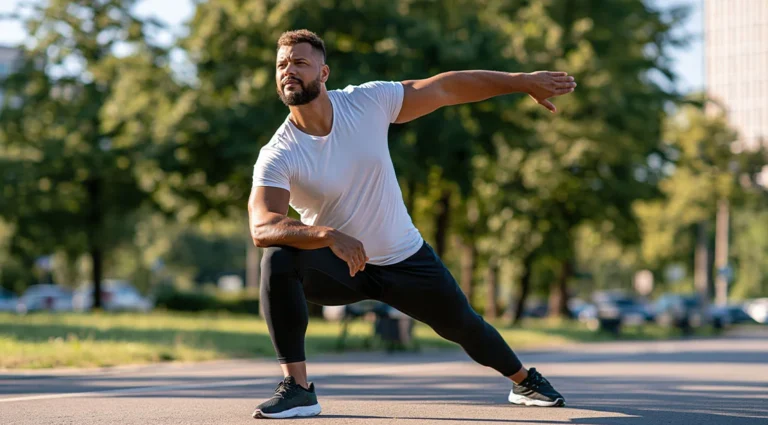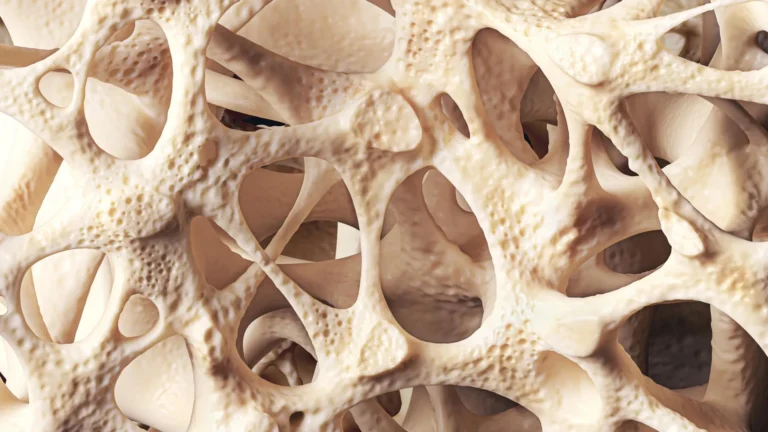












For decades, the image of the weight room has been inextricably linked to the pursuit of vanity—a domain for those seeking sculpted physiques or competitive athletic performance. However, a significant paradigm shift is underway in the medical community. A landmark study, backed by decades of research, confirms that strength training is not merely a tool for aesthetics; it is a critical pillar of longevity, rivaling the importance of aerobic exercise in the quest to extend the human healthspan.
The findings, which draw upon a massive longitudinal analysis of 150,000 health professionals over 30 years, suggest that lifting weights is a potent, life-extending intervention that requires surprisingly little time commitment to yield profound physiological rewards.
The Core Findings: A New Prescription for Longevity
The study, which tracked the health outcomes of participants through years of self-reported exercise habits, discovered a "Goldilocks zone" for resistance training. Researchers found that individuals who engaged in 90 to 120 minutes of strength training per week experienced a 13% lower risk of all-cause mortality compared to those who abstained entirely.
Crucially, the data suggests that more is not necessarily better. Once an individual crosses the two-hour-per-week threshold, the incremental benefits to mortality risk plateau. This is a liberating realization for the average person, who may feel intimidated by the "gym bro" culture of daily, multi-hour workouts.
The protective effects were most pronounced against the world’s leading causes of death. Strength training was linked to a 19% reduction in cardiovascular disease mortality and a staggering 27% reduction in deaths related to neurological conditions, most notably dementia. While cancer mortality showed a slightly different pattern—with smaller doses (under one hour per week) being sufficient for risk reduction—the overall message remains clear: building muscle is a foundational requirement for biological resilience.
A Chronology of Research: From Observation to Evidence
The journey toward understanding the link between muscle mass and longevity has been a long-term endeavor.
- The Early Foundations: For much of the 20th century, aerobic exercise—running, swimming, and cycling—was the primary focus of public health guidelines. Strength training was often relegated to the sidelines, viewed as an optional hobby rather than a health necessity.
- The Shift in Perspective: As the 21st century progressed, researchers began to notice that frail, elderly patients with low muscle mass had significantly poorer outcomes across almost every medical metric. This triggered a surge in studies focusing on "sarcopenia"—the age-related loss of muscle mass—and its link to early death.
- The Longitudinal Breakthrough: The recent study, covering 30 years of data from nurses and health professionals, represents a milestone. By following such a large cohort, scientists were able to filter out "noise" and identify the independent contribution of strength training to mortality, distinct from the benefits of aerobic activity.
- The Present Day: We are now in an era where international health organizations are beginning to formally incorporate muscle-strengthening guidelines alongside traditional aerobic recommendations. The current consensus is that "exercise is medicine," and resistance training is a primary prescription.
The Metabolic Engine: Why Muscle Matters
To understand why lifting weights keeps us alive longer, one must view muscle not as a static object, but as a dynamic, metabolically active endocrine organ.
The Glucose Sink
When we consume carbohydrates, our blood glucose levels rise. Insulin is then secreted to manage this sugar. Skeletal muscle acts as the primary "sink" for this glucose. In a healthy, muscular individual, muscles mop up approximately 80% of blood sugar, either burning it for immediate energy or storing it as glycogen. When we lose muscle mass, we lose this capacity, forcing the body to store excess energy as fat, which drives insulin resistance and type 2 diabetes—a precursor to heart disease and premature death.
The Myokine Messenger System
Perhaps the most exciting discovery in exercise physiology is the role of "myokines." When muscles contract, they act as glands, secreting hormone-like proteins called myokines into the bloodstream. These chemical messengers travel to the liver, brain, fat tissues, and blood vessels, acting as a internal pharmacy. Myokines are known to:
- Dampen systemic, low-grade inflammation, which is the "silent killer" behind most chronic illnesses.
- Communicate with the brain to support cognitive function.
- Signal organs to burn fuel more efficiently.
The Synergy of Strength and Stamina
While the study highlights the power of strength training, it also clarifies that lifting weights is not a replacement for aerobic exercise. The most significant mortality reduction—a 45% lower risk of death—was observed in individuals who combined 150 minutes of weekly aerobic activity with one to two hours of resistance training.

Think of it as a biological partnership: aerobic exercise builds the cardiovascular capacity to deliver oxygen and nutrients, while strength training builds the metabolic and structural framework that prevents decay. They are not rivals; they are the two wheels of the bicycle that is your health.
Clinical Implications: A Barometer of Health
Beyond the biochemical pathways, muscle strength serves as a vital clinical indicator. The medical community has increasingly adopted "grip strength" as a proxy for total body health. In multiple studies, grip strength has been shown to be a more accurate predictor of cardiovascular mortality than blood pressure.
Why? Because grip strength is a reflection of overall neuromuscular integrity. It signifies a nervous system that is firing correctly and a body that has enough functional reserve to survive the stresses of aging. Stronger muscles mean a lower likelihood of falls and fractures, which remain the leading cause of loss of independence in the elderly. By maintaining strength, you are effectively "buying" time, ensuring that your final years are characterized by mobility rather than frailty.
Addressing the Skeptics: What the Data Can and Cannot Do
It is important to maintain a professional, scientific skepticism when interpreting these findings. The study is observational, meaning that while it shows a powerful correlation between strength training and longevity, it cannot definitively prove causation. It is possible that individuals who choose to lift weights are also more likely to prioritize nutrition, sleep, and medical checkups.
However, the researchers made robust statistical adjustments for smoking, diet, and aerobic activity, and the strength-training signal remained consistently strong. Furthermore, the self-reported nature of the data suggests that even imperfect, "real-world" adherence to a strength program provides a substantial health "dividend."
Future Directions: Making Strength Accessible
The most encouraging takeaway is the accessibility of the intervention. You do not need a commercial gym membership, specialized machines, or the guidance of a high-priced trainer to reap these benefits.
The "prescription" is simple: two sessions per week focused on the major muscle groups—legs, back, chest, shoulders, and core. Whether through bodyweight exercises like push-ups and squats, the use of resistance bands, or picking up a pair of dumbbells at home, the physiological result is the same.
The medical implications for public health policy are profound. If governments and healthcare providers can shift the cultural narrative from "lifting weights is for athletes" to "lifting weights is for survivors," we could see a massive decline in the burden of chronic disease. We are moving toward a future where a prescription pad might not just contain pills, but also a simple, two-hour-a-week commitment to moving heavy things.
In the final analysis, strength training is the ultimate retirement plan. It is a long-term investment in the only home you will ever truly live in. By preserving your muscle, you are not just building a physique—you are building a fortress against the inevitabilities of aging, ensuring that your life is measured not just in years, but in the quality and independence of those years.