







In the ongoing battle against cardiovascular disease—the leading cause of mortality worldwide—medical science has long relied on pharmacological workhorses like statins. However, a groundbreaking discovery from the University of Texas Southwestern Medical Center (UT Southwestern) has unveiled a previously unknown genetic mechanism that could fundamentally shift the paradigm of how we treat both heart disease and fatty liver conditions.
Researchers have identified a protein, HELZ2, that serves as a critical "gatekeeper" for the liver’s release of cholesterol-carrying particles into the bloodstream. By acting at the earliest stages of genetic instruction, HELZ2 dictates the volume of lipids circulating in the body, offering a sophisticated, high-precision target for future therapeutic interventions.
The Discovery: A New Frontier in Lipid Metabolism
The study, published in the American Heart Association’s flagship journal Circulation, centers on the role of HELZ2 in regulating apolipoprotein B (APOB). APOB is the foundational gene responsible for producing the proteins that form lipoproteins—the tiny, fat-carrying particles that ferry cholesterol and triglycerides through the bloodstream.
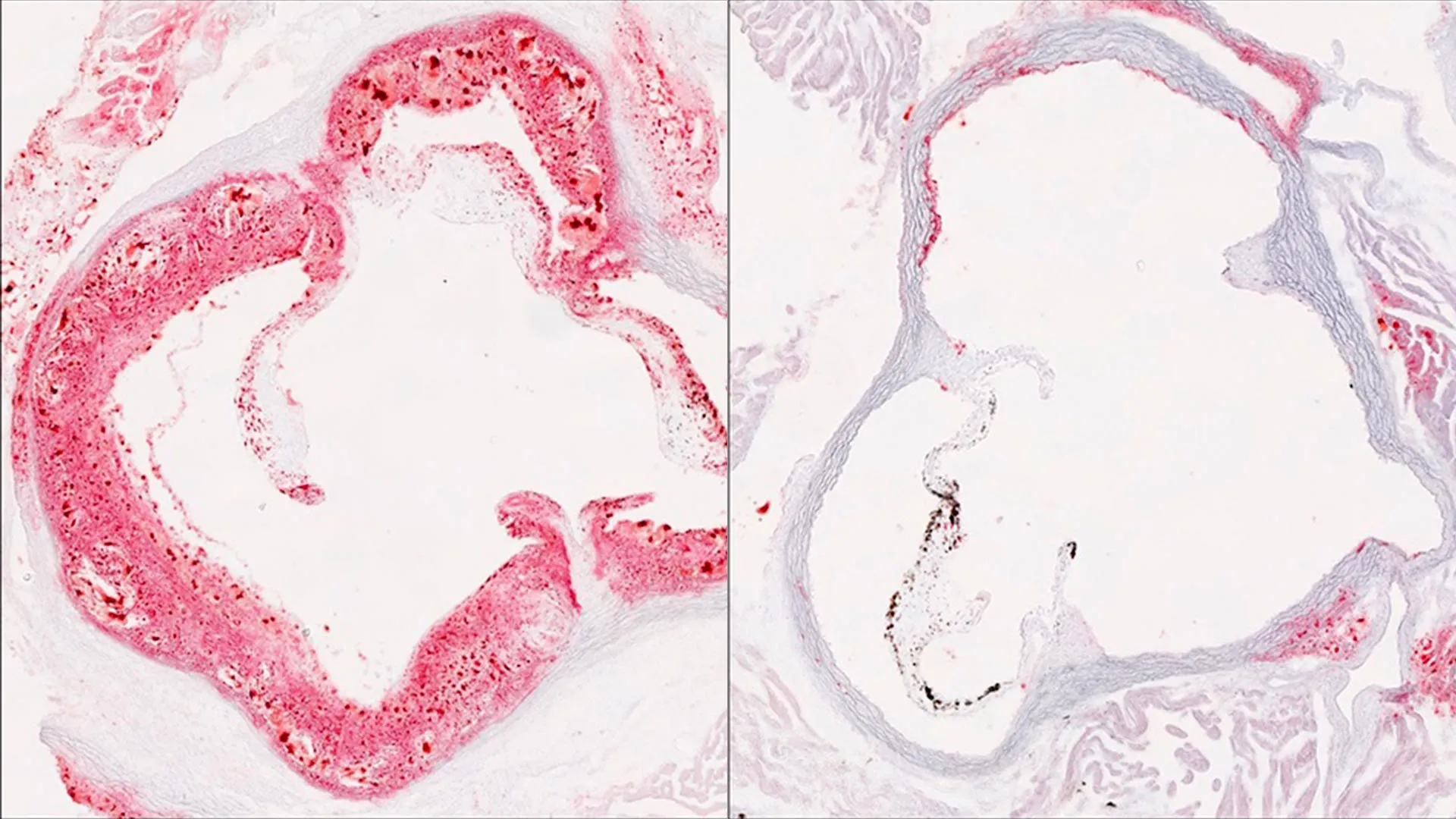
While these lipoproteins are essential for healthy physiological function, an overabundance of them—particularly low-density lipoprotein (LDL), often termed "bad cholesterol"—is the primary driver of atherosclerosis. This condition involves the accumulation of plaque in the arterial walls, eventually leading to restricted blood flow, heart attacks, and strokes.
For decades, the medical community has focused on post-production interventions, such as statins, which work by inhibiting the HMG-CoA reductase enzyme to reduce the liver’s cholesterol synthesis. The UT Southwestern team, led by senior author Zhao Zhang, Ph.D., has bypassed this traditional route, finding that HELZ2 acts at the "instructional" level, governing the stability of the genetic blueprints themselves.
Chronology: From Genetic Screening to Molecular Breakthrough
The path to this discovery was paved by a sophisticated, large-scale genetic screening platform developed by Nobel Laureate Bruce Beutler, M.D., Director of the Center for the Genetics of Host Defense at UT Southwestern.
The Early Observations
The research began with a curiosity regarding unusual fat accumulation patterns in the livers of laboratory mice. During a broad genetic screening study, the team noticed a specific, unexpected phenotype: mice with a gain-of-function mutation in the HELZ2 protein exhibited significantly reduced levels of lipoproteins in their blood.
The Mechanism Unraveled
Upon closer investigation, the researchers realized that this mutation did not simply interfere with protein secretion; it actively destabilized the messenger RNA (mRNA) of the APOB gene. Messenger RNA acts as the cellular "instruction manual," carrying the code from DNA to the ribosomes where proteins are synthesized.
The team observed that when HELZ2 activity is elevated, the APOB mRNA degrades at an accelerated rate. Because the cell receives fewer instructions to build apoB proteins, fewer lipoprotein particles are constructed, and consequently, fewer fats and cholesterol molecules are exported from the liver into the bloodstream.
Validating the Finding
The team confirmed this mechanism through rigorous laboratory testing, demonstrating that HELZ2 does not just affect mature proteins—it acts at the transcriptional or post-transcriptional level, long before the physical cholesterol-carrying particles are assembled. This distinction is vital; it suggests a regulatory control point that is far "upstream" from the mechanisms targeted by current standard-of-care medications.
Supporting Data: The Delicate Balance of Lipid Distribution
The findings present a fascinating, albeit complex, physiological trade-off. While the HELZ2-driven reduction in blood-borne cholesterol is undeniably beneficial for cardiovascular health, the study revealed a significant side effect: the liver itself began to retain more fat.
The "See-Saw" Effect
The research data indicates a clear inverse relationship between circulating blood lipids and hepatic (liver) fat storage:
- High HELZ2 Activity: Lower blood cholesterol and triglycerides, but higher intra-hepatic lipid accumulation.
- Low HELZ2 Activity: Higher circulating blood lipids, but reduced liver fat storage.
This discovery highlights the liver’s role as a metabolic "hub." When the liver is restricted from "exporting" fats via lipoproteins, those lipids remain trapped within the liver cells, contributing to conditions like hepatic steatosis or non-alcoholic fatty liver disease (NAFLD).
"We can think of HELZ2 as a kind of dial between the liver and the bloodstream," Dr. Zhang explained. "Turning it up lowers cholesterol in the blood but increases liver fat. Turning it down does the reverse. That balance makes HELZ2 especially interesting as a potential therapeutic target."
Official Responses: Shifting the Paradigm
The research has garnered significant attention from the scientific community for its potential to change the current landscape of cardiovascular medicine. By moving beyond the "post-production" model of cholesterol management, scientists hope to develop drugs that are more efficient and have fewer side effects than traditional therapies.
"Most previous research focused on what happens to apoB after it’s already made," noted Yiao Jiang, Ph.D., a postdoctoral researcher in the Zhang Lab and a co-author of the study. "What surprised us is that HELZ2 acts much earlier, by controlling how long the apoB ‘message’ survives before the protein is even produced."
Dr. Zhang emphasized the broader implications of this work: "The idea that we can control apoB at the RNA level represents a major shift in how we think about cholesterol regulation. It gives us a new molecular lever—and potentially a new set of tools—for tackling these conditions."
The study also underscores the efficacy of the genetic screening methods pioneered by Dr. Bruce Beutler. By identifying the protein through a functional mutation rather than a hypothesis-driven approach, the researchers were able to uncover a pathway that might have remained hidden under more traditional research methodologies.
Implications: A Future Beyond Statins?
The discovery of HELZ2’s regulatory power opens several critical avenues for future clinical research.
Precision Therapeutics
The most immediate potential is the development of therapeutics that can selectively "tune" HELZ2 activity. For patients suffering from hypercholesterolemia who are intolerant to statins, or for whom statins are insufficient, a drug that modulates the stability of APOB mRNA could provide a highly effective alternative.
Addressing Fatty Liver Disease
Conversely, the "dial" mechanism offers a new way to look at liver disease. As the obesity and metabolic syndrome epidemics continue to grow, the rise in non-alcoholic fatty liver disease has become a massive clinical challenge. If researchers can learn to modulate HELZ2 in a tissue-specific manner, they might be able to find a way to encourage the liver to export fat more efficiently, potentially treating fatty liver disease without causing an dangerous spike in blood cholesterol.
A New Class of RNA-Focused Medicine
The HELZ2 discovery aligns with the growing field of RNA-based therapeutics. By targeting the mRNA stability of disease-driving genes, medical science is moving toward a future where we can "edit" the metabolic output of cells with high specificity. This approach minimizes the "off-target" effects often associated with traditional small-molecule drugs, which may interact with proteins throughout the entire body.
Conclusion
The identification of HELZ2 as a master regulator of cholesterol release is more than just a discovery of a new protein; it is a profound insight into the body’s metabolic architecture. By recognizing that the liver manages its lipid output through the careful timing of genetic "messages," UT Southwestern researchers have provided a blueprint for the next generation of cardiovascular and metabolic care.
As the team continues to refine their understanding of how HELZ2 interacts with other cellular components, the scientific community looks forward to the next steps: clinical trials that could potentially move this discovery from the lab bench to the pharmacy shelf. While the journey from a mouse model to a human patient is long and complex, the "molecular dial" identified by Dr. Zhang and his colleagues provides a new, hopeful horizon for millions of people at risk of heart disease.
This research was supported by the National Institute of Diabetes and Digestive and Kidney Diseases of the National Institutes of Health (Grants R00DK115766 and R01DK130959). Dr. Bruce Beutler is a Regental Professor at UT Southwestern and holds the Raymond and Ellen Willie Distinguished Chair in Cancer Research. He is a member of the Harold C. Simmons Comprehensive Cancer Center.